


Dealing with thermal expansion in a system featuring a stainless steel weld union is a crucial aspect of any project that involves these components. As a supplier of Stainless Steel Weld Unions, I've seen firsthand the challenges and nuances that come with managing thermal expansion. In this blog, I'll share some practical tips and strategies to help you handle this issue effectively.
First off, let's understand what thermal expansion is. When materials are heated, they tend to expand, and when cooled, they contract. Stainless steel is no exception. In a system with a stainless steel weld union, this expansion and contraction can cause stress on the joints, potentially leading to leaks or even structural failure if not properly managed.
One of the primary ways to deal with thermal expansion is through proper design and installation. When planning your system, it's essential to account for the expected temperature changes. This means leaving enough room for the stainless steel to expand and contract without causing damage. For example, you can incorporate expansion joints or flexible connectors into the system. These components can absorb the stress caused by thermal expansion, reducing the risk of damage to the weld union.
Another important factor is the type of stainless steel used. Different grades of stainless steel have different coefficients of thermal expansion. For instance, SS304 is a commonly used grade in many applications. If you're using an ss 304 reducer, it's crucial to understand its specific thermal expansion characteristics. By choosing the right grade of stainless steel for your application, you can minimize the impact of thermal expansion.
Proper installation techniques are also key. When welding the stainless steel weld union, it's important to follow the correct procedures to ensure a strong and durable joint. This includes using the right welding equipment, filler materials, and techniques. A poorly welded joint can be more susceptible to damage from thermal expansion.
In addition to design and installation, maintenance plays a vital role in managing thermal expansion. Regular inspections of the system can help detect any signs of stress or damage early on. This allows you to take corrective action before the problem worsens. Check for leaks, cracks, or any other visible signs of wear and tear. If you notice any issues, address them promptly to prevent further damage.
Thermal insulation can also be a useful tool in dealing with thermal expansion. By insulating the pipes and fittings in the system, you can reduce the rate of temperature change. This helps to minimize the amount of expansion and contraction, thereby reducing the stress on the weld union. There are various types of insulation materials available, so choose one that is suitable for your specific application.
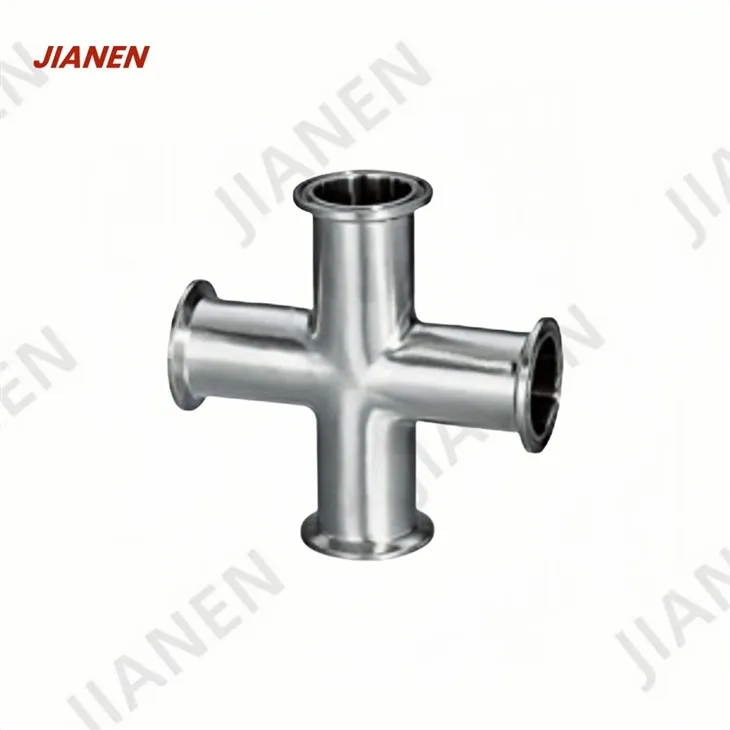
When it comes to choosing the right components for your system, consider using 3 sanitary tee and other sanitary pipes and fittings. These components are designed to meet high-quality standards and can withstand the demands of thermal expansion. They are also easy to install and maintain, making them a great choice for your project.
In some cases, you may need to use software or modeling tools to analyze the thermal expansion in your system. These tools can help you predict how the stainless steel will expand and contract under different temperature conditions. By understanding these patterns, you can make more informed decisions about the design and installation of your system.
It's also important to work with a team of experienced professionals. Whether it's an engineer, a welder, or a maintenance technician, having experts on your side can ensure that your system is designed, installed, and maintained correctly. They can provide valuable insights and advice on how to deal with thermal expansion effectively.
Finally, I want to encourage you to reach out if you're in the market for Stainless Steel Weld Unions or other related components. We have a wide range of products available to meet your specific needs. Whether you're working on a small project or a large-scale industrial application, we can provide you with the high-quality products and support you require.
In conclusion, dealing with thermal expansion in a system with a stainless steel weld union requires a combination of proper design, installation, maintenance, and the right choice of components. By following these tips and strategies, you can minimize the impact of thermal expansion and ensure the long-term reliability of your system. If you have any questions or need further assistance, don't hesitate to contact us. Let's work together to make your project a success.

References
- ASME Boiler and Pressure Vessel Code
- ASTM International Standards for Stainless Steel
- Manufacturer's Guidelines for Stainless Steel Weld Unions