


Hey there! As a supplier of KF - 25 Clamps, I've seen my fair share of issues that customers run into. In this blog, I'm gonna share some tips on how to troubleshoot problems with the KF - 25 Clamp.
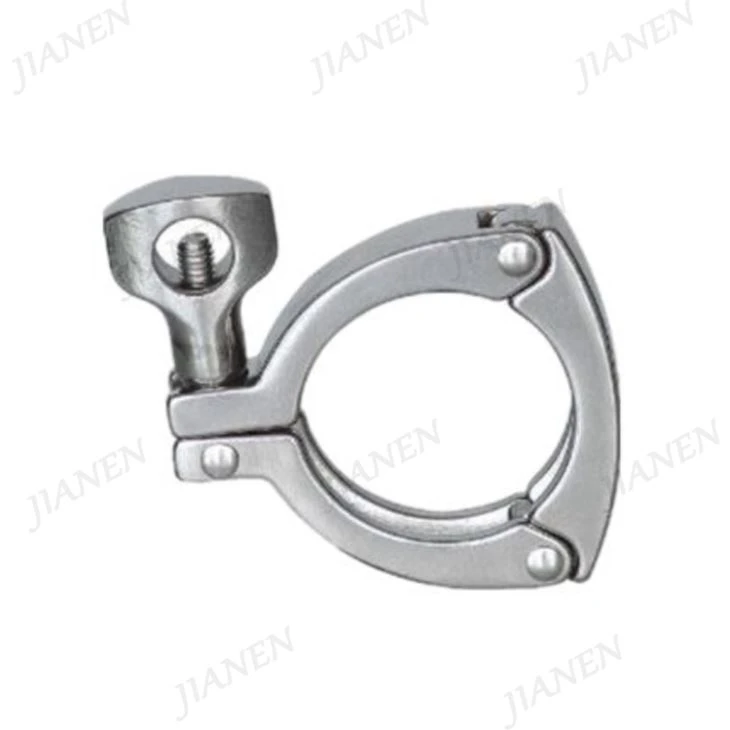
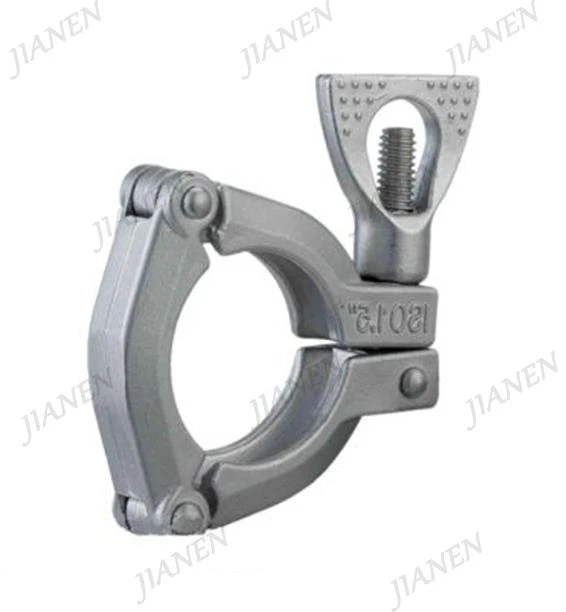
1. Leakage Problems
One of the most common issues with KF - 25 Clamps is leakage. You might notice some gas or fluid seeping out around the clamped area.
Possible Causes
- Improper Installation: If the clamp isn't installed correctly, it won't create a proper seal. Maybe the clamp wasn't tightened evenly, or the parts being clamped weren't aligned properly.
- Damaged Sealing Surface: The sealing surface of the clamp or the components it's holding together could be scratched, dented, or have debris on it. This can prevent a tight seal.
- Worn - Out Gaskets: Gaskets are used to create a seal, and over time, they can wear out, lose their elasticity, or get damaged.
Solutions
- Check and Re - Install: First, make sure the clamp is installed according to the manufacturer's instructions. Loosen the clamp, realign the parts, and then retighten it evenly. Use a torque wrench if possible to ensure consistent tightening.
- Inspect and Clean the Sealing Surface: Examine the sealing surface for any damage or debris. If there are minor scratches, you might be able to smooth them out with fine - grit sandpaper. Clean the surface thoroughly with a suitable solvent to remove any dirt or oil.
- Replace the Gaskets: If the gaskets are worn out, it's time to replace them. Make sure to use high - quality gaskets that are compatible with the KF - 25 Clamp. You can find a variety of gaskets for KF - 25 Clamps in the market.
2. Difficulty in Tightening or Loosening
Sometimes, you might find it hard to tighten or loosen the KF - 25 Clamp.
Possible Causes
- Corrosion: If the clamp is exposed to a corrosive environment, the metal parts can corrode, making it difficult to turn the bolts or nuts.
- Debris in the Threads: Dirt, dust, or other debris can get into the threads of the bolts or nuts, preventing smooth movement.
- Over - Tightening: If the clamp was over - tightened previously, it can cause the threads to deform, making it hard to adjust.
Solutions
- Apply Anti - Corrosion Agents: If corrosion is the issue, apply an anti - corrosion agent or lubricant to the bolts and nuts. Let it soak in for a while and then try to turn them. You might need to use a bit of force, but be careful not to damage the threads.
- Clean the Threads: Use a small brush or compressed air to remove any debris from the threads. You can also soak the bolts or nuts in a cleaning solution to dissolve any stubborn dirt.
- Repair or Replace Damaged Parts: If the threads are severely deformed due to over - tightening, you might need to replace the bolts or nuts. Make sure to use the correct size and type of replacement parts.
3. Clamp Not Holding the Parts Securely
The KF - 25 Clamp might not be holding the parts together as tightly as it should.
Possible Causes
- Incorrect Clamp Size: If the clamp is the wrong size for the parts it's supposed to hold, it won't be able to provide enough clamping force.
- Weakened Clamp Springs: Some KF - 25 Clamps use springs to provide the clamping force. Over time, these springs can weaken, reducing the clamping force.
- Worn - Out Clamp Jaws: The jaws of the clamp can wear out, reducing their ability to grip the parts tightly.
Solutions
- Check and Replace with the Correct Size: Measure the parts accurately and make sure you're using the right size of KF - 25 Clamp. If the size is incorrect, replace the clamp with the appropriate one.
- Replace the Springs: If the springs are weakened, replace them with new ones. Make sure the new springs have the correct specifications for the clamp.
- Inspect and Replace the Clamp Jaws: Examine the clamp jaws for wear. If they're worn out, replace them. You can find replacement jaws for KF - 25 Clamps from many suppliers.
4. Visual Inspection Tips
Before you start troubleshooting, it's a good idea to do a visual inspection of the KF - 25 Clamp.
Things to Look For
- Physical Damage: Check for any cracks, dents, or other signs of physical damage on the clamp body, bolts, nuts, and jaws.
- Color Changes: A change in color, especially a rusty or discolored appearance, can indicate corrosion.
- Loose Parts: Make sure all the parts of the clamp are securely attached. Loose bolts or nuts can lead to problems.
5. Where to Find Quality KF - 25 Clamps and Related Parts
As a supplier, I know the importance of using high - quality products. If you're looking for reliable KF - 25 Clamps and related parts, you can check out some great options. For example, clamp stainless offers a range of stainless - steel clamps that are durable and reliable. The ss304 clamp is another great choice, made of high - quality SS304 stainless steel. And if you need high - pressure clamps, the stainless steel t bolt clamps are worth considering.
Contact for Procurement
If you're having trouble with your KF - 25 Clamps or are looking to purchase new ones, don't hesitate to reach out. We're here to help you find the best solutions for your needs. Whether you need advice on troubleshooting or want to discuss a bulk purchase, we're ready to assist.
References
- General knowledge and experience in the field of KF - 25 Clamps as a supplier.
- Manufacturer's instructions and technical manuals for KF - 25 Clamps.