


As a seasoned supplier of Sanitary Valves, I've had the privilege of working closely with various industries that rely on these critical components for their operations. Sanitary valves play a pivotal role in ensuring the safety, efficiency, and compliance of processes in sectors such as food and beverage, pharmaceuticals, and cosmetics. However, like any mechanical equipment, they are not immune to problems. In this blog post, I'll delve into some of the common issues faced with sanitary valves and discuss potential solutions.
1. Leakage
One of the most prevalent problems with sanitary valves is leakage. Leakage can occur at various points in the valve, including the valve seat, stem, or connections. There are several reasons for this issue:
- Wear and Tear: Over time, the constant opening and closing of the valve can cause the valve seat and seals to wear out. This is especially true in high - pressure or high - flow applications. For example, in a dairy processing plant where milk is continuously flowing through the valves at relatively high pressures, the valve seats may experience significant abrasion.
- Improper Installation: Incorrect installation of the valve can lead to misalignment, which in turn can cause leakage. If the valve is not properly centered or tightened during installation, it may not form a proper seal. For instance, if the bolts on a flange - connected valve are not tightened evenly, it can create gaps that allow fluid to escape.
- Corrosion: Sanitary valves are often made of stainless steel to resist corrosion. However, in certain environments, such as those with high levels of chlorine or acidic substances, the valve components can still corrode. Corrosion can weaken the valve structure and damage the seals, resulting in leakage.
To address leakage issues, regular inspection and maintenance are crucial. Replace worn - out seals and valve seats promptly. Ensure that valves are installed correctly by following the manufacturer's guidelines. In corrosive environments, consider using valves made of more corrosion - resistant materials or applying protective coatings.
2. Contamination
Contamination is a serious concern in industries where product purity is of utmost importance, such as the pharmaceutical and food industries. Sanitary valves can become a source of contamination if not properly maintained:
- Biofilm Formation: Microorganisms can adhere to the inner surfaces of the valve and form a biofilm. This biofilm can harbor bacteria, fungi, and other pathogens, which can contaminate the product flowing through the valve. For example, in a beer brewing process, biofilm in the valves can lead to off - flavors and spoilage of the beer.
- Particle Accumulation: Particles such as dirt, dust, or metal shavings can accumulate inside the valve, especially in areas with low flow rates or dead zones. These particles can contaminate the product and may also cause damage to the valve components.
To prevent contamination, implement a strict cleaning and sanitation protocol. Use appropriate cleaning agents and methods, such as CIP (Clean - in - Place) systems, to remove biofilm and particles from the valves. Regularly inspect the valves for signs of contamination and replace any components that are severely contaminated.
3. Operational Malfunction
Sanitary valves may experience operational malfunctions that can disrupt the normal flow of processes:
- Sticking: The valve may stick in the open or closed position, preventing proper flow control. This can be caused by debris getting stuck in the valve mechanism, or by the valve stem seizing due to lack of lubrication. For example, in a fruit juice production line, pulp particles may get trapped in the valve, causing it to stick.
- Inaccurate Flow Control: The valve may not be able to regulate the flow accurately. This can be due to a faulty actuator or a problem with the valve's internal mechanism. In a chemical manufacturing process, inaccurate flow control can lead to incorrect mixing ratios and affect the quality of the final product.
To address operational malfunctions, clean the valve thoroughly to remove any debris. Lubricate the valve stem regularly to prevent seizing. If the problem persists, check the actuator and other control components for faults and repair or replace them as necessary.
4. Seal Failure
The seals in sanitary valves are essential for preventing leakage and maintaining product integrity. Seal failure can occur due to several reasons:
- Age and Degradation: Seals have a limited lifespan and will degrade over time. Exposure to high temperatures, chemicals, and mechanical stress can accelerate the degradation process. For example, in a steam - sterilized valve, the high - temperature steam can cause the rubber seals to harden and crack.
- Incompatible Seal Materials: Using seal materials that are not compatible with the fluid being handled can lead to seal failure. For instance, if a seal made of a material that is not resistant to a particular chemical is used in a valve handling that chemical, the seal may dissolve or swell, resulting in leakage.
To prevent seal failure, choose the appropriate seal materials based on the application requirements. Replace seals at regular intervals as recommended by the manufacturer.
5. Noise and Vibration
Excessive noise and vibration in sanitary valves can be a sign of underlying problems:

- Cavitation: Cavitation occurs when the pressure of the fluid drops below its vapor pressure, causing the formation of vapor bubbles. These bubbles collapse when they enter a higher - pressure region, creating shock waves that can cause noise and vibration. Cavitation can also damage the valve components over time. For example, in a high - pressure water - delivery system, cavitation in the valves can lead to pitting and erosion of the valve surfaces.
- Flow Turbulence: Turbulent flow can cause noise and vibration in the valve. This can be due to improper valve sizing, sharp bends in the piping, or high - velocity flow. In a small - diameter pipe with a high - flow rate, the flow may become turbulent, causing the valve to vibrate.
To reduce noise and vibration, ensure that the valves are properly sized for the application. Minimize sharp bends in the piping and control the flow velocity within the recommended range. If cavitation is a problem, consider using valves with anti - cavitation features or modifying the system to reduce pressure drops.
Recommended Products
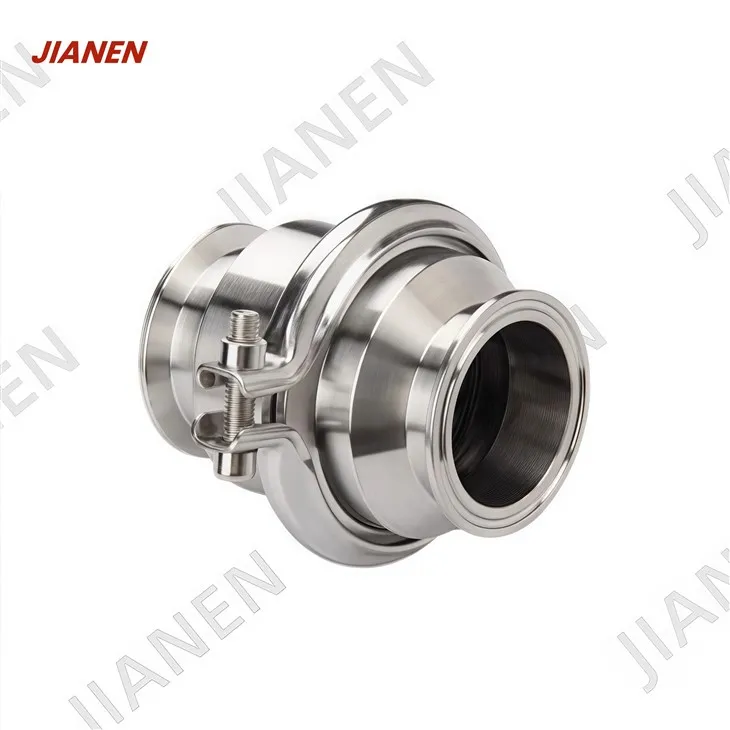
As a supplier of Sanitary Valves, we offer a wide range of high - quality products to meet your needs. Our Stainless Steel Butterfly Valve is known for its excellent flow control and easy operation. It is suitable for a variety of applications in the food, beverage, and pharmaceutical industries. Our tri clamp check valve provides reliable backflow prevention and is easy to install and maintain. You can explore our full range of Sanitary Valves on our website.
If you are facing any of the problems mentioned above with your sanitary valves or are looking for high - quality valve solutions, we are here to help. Contact us for more information and to discuss your specific requirements. We can provide you with professional advice and customized solutions to ensure the smooth operation of your processes.
References
- "Handbook of Sanitary Processing Technology" by various authors
- Industry standards and guidelines from organizations such as 3 - A Sanitary Standards, Inc.
- Manufacturer's technical documents and manuals for sanitary valves.