



1. Start with the Flow Path
2-Way, 3-Way, Tri-Clamp or Threaded: Understanding the Key Selection Factors
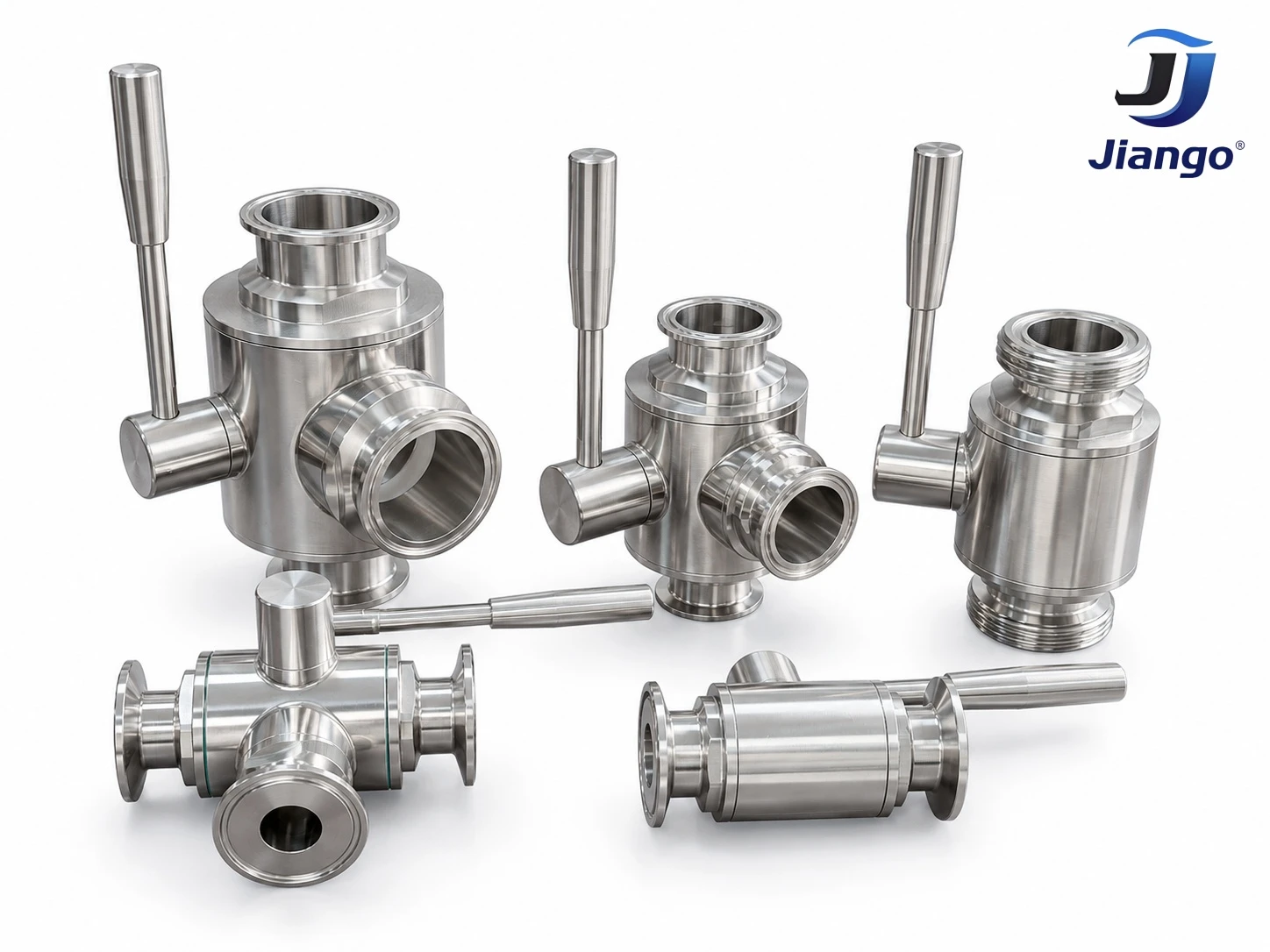
Simple ON/OFF Control or Multiple Flow Paths?
2-Way Ball Valve → straightforward flow isolation
3-Way Ball Valve → flow diversion or routing
2. Tri-Clamp vs. Threaded Connection
Connection
Typical Consideration
Tri-Clamp
Easy disassembly, cleaning and maintenance
Threaded
Compact connection and convenient installation
3. What should I consider when selecting a sanitary ball valve?
- Flow direction
- Port configuration
- Connection standard
- Operating temperature and pressure
- Seal material
- Tube size
- Cleaning requirements
- Installation and maintenance
4.Different Industries, Different Valve Requirements
- Food & Beverage
Cleanability and reliable connections.
- Pharmaceutical & Biotechnology
High cleanliness, surface quality and controlled fluid handling.
- Process Piping
Reliable isolation and flow control.
- AI Data Center Liquid Cooling
Fluid compatibility, cleanliness, reliable sealing and stable flow control
5. Why Valve Configuration Matters in AI Liquid Cooling
In AI data center liquid cooling systems, sanitary valve selection is not simply about opening and closing a line.
Connection type, internal cleanliness, sealing performance, flow requirements and maintenance accessibility can all influence system design.
- 2-Way Ball Valve
For isolation/shut-off
- 3-Way Ball Valve
For flow routing/diversion
- Tri-Clamp Connections
Suitable for systems requiring easy disassembly and maintenance
Looking for a stainless steel ball valve for your piping system?
Contact JIANEN with your size, connection, material and operating requirements.