



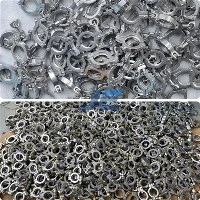

Sanitary drain valves are an important component of sanitation facilities and are used to control the discharge of wastewater. Its core functions include managing wastewater flow, preventing backflow and providing water conservation, sealing and easy maintenance. Here's a closer look:
I. Core Functions
Control of Wastewater Discharge
Sanitary drain valves control sewage flow into bathrooms, kitchens and other areas by opening and closing valves. For example:
Toilet flush valve: Press the flush button and the valve opens, allowing water from the tank to quickly flow down the toilet bowl and flush trash down the drain.
Bath/Sink drain: lever, knob or lever that controls the opening and closing of a sewer so that effluent from bathing or washing hands can be discharged.
Prevent Wastewater Backflow
During pipe maintenance or cleaning, closing the drain valve prevents sewage from returning and protects sanitation facilities and the surrounding environment. For example:
Ground drainage valves: Some ground drainage valves are equipped with check valves to prevent odors or wastewater from returning from the drain to the bathroom.
Water Conservation and Stream Control
Some drain valves are designed to conserve water. For example:
Flap-type drain valve: Different lever positions allow for different discharge volumes, reducing water consumption.
Automatic drain valve: using sensors to detect water level, automatically control drain valve, to improve water efficiency.
ii. Common Types and Applications
Toilet Flush Valve
Structure: composed of valve body, valve core, spring, base, etc. Some models include a float or a memory alloy spring for temperature control.
How it works: Press the flush button and the valve core opens, allowing water from the tank to flow into the toilet. When the water level drops to a certain level, the valve core automatically closes.
Scope of application: Toilet flushing system in homes, hotels, hospitals, etc..
Bathtub/ drain valve
Structure: includes levers, knobs, or pull designs comprising drain switch, overflow covers, bends, and gutters.
How it works: When operating the handle or knob, the drain valve opens or closes to complete the drainage process, and the overflow is designed to prevent water from overflowing. Application Scenarios: sink drainage systems of toilet or sink such as home, gym, public toilet.
Floor Drain Valve
Structure: Typical wing or gravity design; some models include check valve.
How it works: Wastewater passes through a drainage pipe, pushes open a gate or valve, and then flows into the sewer. When there is no flow, the disc or valve will automatically close to prevent the return of odors or wastewater.
Application Scenarios: Floor drain system of toilet, kitchen, balcony, etc.
III. Technical features
Sealing Performance
Sanitary drain valve adopts a planar or piston-type sealing structures to ensure no leakage. For example:
Flap-type drain valve: The smooth, flat valve seat and flap provide excellent sealing performance.
Piston-type drain valve: valve core adopts piston structure and boron treatment to ensure corrosion resistance, abrasion resistance and long service life.
Material and durability
Body material: Commonly made of brass, stainless steel or engineering plastics, corrosion resistance, high pressure.
Sealing Material: Rubber, silicone or ceramic to ensure durability, non-aging and no deformation.
Maintenance ease
Modular Design: Some drain valves have removable structures for easy cleaning or replacement of seals.
Anti-clogging Design: Filters or anti-clogging device at the vents reduce debris entering the valve.
IV. INTRODUCTION INTRODUCTION INTRODUCTION Maintenance and troubleshooting
Clean regularly
Clean the area around the drain valve to remove dirt and ensure smooth drainage.
Clean the inside of the drain with a special cleaner to prevent rubbish from piling up.
Check seals.
Check the condition of seals regularly. If worn or deformed, replace to prevent leakage.
Troubleshooting
valve leakage: Damaged seal or valve body rupture; replacement of seal or entire valve.
Drain valve cannot be opened or closed: jammed valve core or spring malfunction; clean core or replace spring.
Slow drainage: removal of blocked vents or valves; removal of vents or use of a descaling agent.