



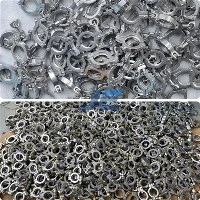

Sanitary grade stainless steel, also known as hygienic or food-grade stainless steel, refers to a specific type of stainless steel that is used in industries requiring strict hygiene standards, such as food and beverage, pharmaceutical, and biotechnology industries. It is designed to meet specific criteria to ensure the material's suitability for sanitary applications.
The key characteristics and requirements of sanitary grade stainless steel include:
Corrosion Resistance: Sanitary grade stainless steel must have excellent resistance to corrosion, as it will often come into contact with various corrosive substances such as acids, alkalis, and cleaning agents. This resistance helps prevent the material from corroding, which could compromise its hygiene and safety.
Smooth Surface: The surface of sanitary grade stainless steel must be smooth and free from roughness, pits, or crevices. A smooth surface helps prevent the accumulation of bacteria, dirt, or contaminants, making it easier to clean and maintain high levels of hygiene.
Non-Toxic and Non-Reactive: Sanitary grade stainless steel should not react with or contaminate the products or fluids it comes into contact with. It must be non-toxic and not impart any taste, odor, or foreign substances that could affect the quality or safety of the processed materials.
Easy to Clean: Sanitary grade stainless steel should be easy to clean and sterilize. It should withstand regular cleaning and sanitization processes without deteriorating or degrading. The smooth surface facilitates thorough cleaning and prevents the growth of bacteria or other microorganisms.
Resistance to High Temperatures: Stainless steel used in sanitary applications may encounter high-temperature conditions during cleaning or sterilization processes. Therefore, it should have good heat resistance to withstand these temperatures without losing its structural integrity or properties.
Compliance with Industry Standards: Sanitary grade stainless steel typically meets specific industry standards and regulations, such as those set by regulatory bodies like the Food and Drug Administration (FDA), the European Hygienic Engineering and Design Group (EHEDG), or the 3-A Sanitary Standards.
Common grades of stainless steel used in sanitary applications include austenitic stainless steel grades, such as 304 and 316, which have good corrosion resistance, excellent mechanical properties, and are suitable for food contact and hygienic environments.
Sanitary grade stainless steel is widely employed in various equipment and components, including piping systems, tanks, vessels, fittings, valves, heat exchangers, and other critical process equipment, to ensure the highest levels of hygiene, cleanliness, and product safety.