

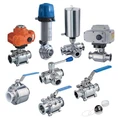

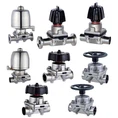
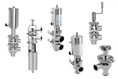

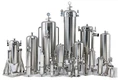




Features
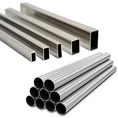
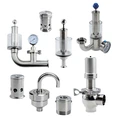
Name:Stainless Steel sanitary pipes and fittings
Size:DN15-DN100, 1"-6"
Material:Stainless Steel, T304 and 316L
Connection:Welding, Thread, Clamped(Quick-Install), Flange, Union Etc.
Standard: DIN,3A,SMS,ISO.
Surface treatment: Polishing, Mirror, Matte etc
Industry:Pharmacy, beer, food, petroleum, dairy beverage, cosmetics industry
Packing:Plastic bag,Carton,Plywood case
Advantage
Tee with three openings for connecting and branching three pipes or tubes
High pressure durable, stainless steel 304&316L for resistance to corrosion and high temperatures
Clamps to tubing on all three ends for a non-permanent seal, providing take-down access
Tri Clamp Long Tees
Tri Clamp tees are a simplified manifold used to regulate fluid direction. Additionally, tees can be used in succession to build simple inline oxygen rigs for brewing systems.
Instrument Tees
Tri Clamp instrument tees appear similar to the long tees, but with a shorter branch to minimize dead space are designed to allow the installation of pressure gauges and other similar instruments.


After purchasing sanitary pipes and fittings, you need to pay attention to the following points to ensure correct installation and good operation:
Check the Materials and Accessories:
Inspect all purchased sanitary pipes and fittings to ensure they are not damaged, cracked, or defective.
Verify that the purchased accessories match your installation requirements, including sizes, materials, and connection types (such as threads, welding, flanges, etc.).
Measurement and Planning:
Before installation, measure the space where the pipeline will be installed to determine the layout and direction of the pipeline.
Use drawings or sketches to plan the pipeline installation, including bends, branches, and connection points.
Prepare the Installation Area:
Ensure that the installation area is clean and tidy, with no obstacles.
Gather the necessary installation tools, such as saws, pipe pliers, screwdrivers, wrenches, etc.
Cutting and Assembling Pipes:
According to the plan, use pipeline cutting tools (such as pipe cutters, saws, etc.) to cut pipes to the appropriate lengths.
Use appropriate tools to assemble the pipes and fittings together, ensuring that the connections are firm and leak-free.
Installation and Fixation:
Install the assembled pipes and fittings in the predetermined positions.
Use proper fixing devices (such as hangers, brackets, etc.) to secure the pipes to the wall or ceiling, ensuring that the pipeline is stable and does not shake.
Check and Test:
After installation is completed, carefully check all connection points to ensure there are no leaks or loose places.
Perform pressure tests to ensure that the pipeline system can withstand the predetermined pressure without leaking.
Connecting the Drainage System:
If your sanitary pipeline system includes drainage components, ensure that the drainage pipes are correctly connected to the sewer or sewage treatment system.
Check the slope and ventilation of drainage pipes to ensure smooth drainage and prevent blockages.
Comply with Safety Regulations:
Always abide by relevant safety regulations and operating procedures during the installation process.
Use appropriate protective equipment, such as gloves and goggles, to protect yourself from harm.
Consult Professionals:
If you are uncertain or encounter difficulties during installation, it is best to consult professionals or seek professional installation services.
Professionals can provide accurate suggestions and guidance based on your specific situation to ensure the correct installation and good operation of the pipeline system.
Hot Tags: sanitary pipes and fitting, China, manufacturers, suppliers, factory, buy, price, Sanitary Clamp End x Hose Shank, Tri Clamp Sanitary Hose Barb Adapters, Sanitary Tube Hanger With Rubber Grommet, sanitary sight glass, Stainless Steel Pipe, SANITARY TUBE end cap


