




As a seasoned supplier of sanitary pipe fittings, I often encounter inquiries from potential buyers regarding the regulations for importing these essential components. The process of importing sanitary pipe fittings is subject to a complex web of rules and standards designed to ensure the safety, quality, and compliance of the products entering a country. In this blog post, I will delve into the key regulations that govern the import of sanitary pipe fittings and provide insights into how these regulations impact both suppliers and importers.
Understanding the Basics of Sanitary Pipe Fittings
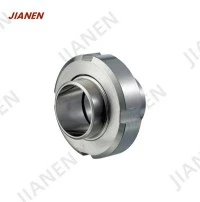
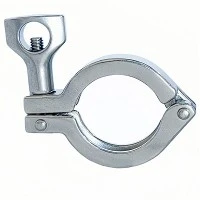
Sanitary pipe fittings are used in a wide range of applications, including food and beverage processing, pharmaceutical manufacturing, and water treatment. These fittings are designed to maintain the hygiene and integrity of fluid systems by preventing contamination and ensuring smooth flow. Common types of sanitary pipe fittings include stainless buttweld caps, weld tees, and 2 in sanitary tee.
Regulatory Bodies and Standards
One of the most important aspects of importing sanitary pipe fittings is compliance with international and national standards. These standards are established by regulatory bodies to ensure the quality and safety of the products. Some of the key regulatory bodies and standards that are relevant to the import of sanitary pipe fittings include:
International Organization for Standardization (ISO)
ISO develops and publishes international standards for a wide range of industries, including the manufacturing of sanitary pipe fittings. ISO standards such as ISO 2037 and ISO 2852 provide guidelines for the dimensions, materials, and testing methods of sanitary pipe fittings. Compliance with ISO standards is often a requirement for exporting and importing these products, as it demonstrates that the fittings meet the global quality and safety benchmarks.
American Society of Mechanical Engineers (ASME)
ASME is a leading organization in the development of codes and standards for mechanical engineering, including the design and manufacture of sanitary pipe fittings. The ASME BPE (Bioprocessing Equipment) standard is widely recognized in the industry and provides detailed requirements for the materials, fabrication, and testing of sanitary pipe fittings used in the bioprocessing and pharmaceutical industries. Importers may require that the fittings they purchase comply with ASME BPE standards to ensure compatibility with their existing systems and to meet regulatory requirements.
European Union (EU) Regulations
The EU has strict regulations governing the import of products, including sanitary pipe fittings, to ensure the health and safety of its citizens. The EU's CE marking is a mandatory conformity marking for products sold within the EU. To obtain the CE marking, manufacturers must demonstrate that their products comply with relevant EU directives, such as the Pressure Equipment Directive (PED) and the Machinery Directive. Importers should ensure that the sanitary pipe fittings they purchase from non - EU countries are CE marked or can be easily adapted to meet EU requirements.
Food and Drug Administration (FDA) in the United States
In the United States, the FDA regulates the use of sanitary pipe fittings in food and pharmaceutical applications. The FDA has specific requirements for the materials used in contact with food and drugs, and manufacturers must ensure that their products are made from FDA - approved materials. Importers of sanitary pipe fittings for use in these industries should verify that the products they purchase comply with FDA regulations to avoid any legal issues and to ensure the safety of the end - products.
Documentation Requirements
When importing sanitary pipe fittings, proper documentation is crucial. Importers need to provide a variety of documents to customs authorities to prove the origin, value, and compliance of the products. Some of the key documents include:
Commercial Invoice
The commercial invoice provides details about the transaction, including the description of the goods, quantity, value, and terms of sale. It is an important document for customs valuation and duty calculation.
Bill of Lading or Airway Bill
This document serves as a receipt for the goods shipped and contains information about the shipment, such as the origin, destination, and carrier. It is used by customs authorities to track the movement of the goods.
Certificate of Origin
A certificate of origin indicates the country where the goods were produced. It is important for determining the eligibility for preferential trade agreements and for customs classification.
Quality and Compliance Certificates
Importers may require quality and compliance certificates, such as ISO certificates, ASME BPE certificates, or FDA compliance certificates, to verify that the sanitary pipe fittings meet the required standards.


Testing and Inspection
In addition to documentation, testing and inspection of the sanitary pipe fittings may be required. Customs authorities or importers themselves may conduct inspections to ensure that the products meet the specified standards. This can include visual inspections for surface finish, dimensional checks, and material testing. Some common tests for sanitary pipe fittings include:
Pressure Testing
Pressure testing is used to ensure that the fittings can withstand the operating pressures in the intended application without leakage.
Material Analysis
Material analysis is performed to verify that the fittings are made from the correct materials, especially in terms of their chemical composition and corrosion resistance.
Surface Finish Testing
The surface finish of sanitary pipe fittings is critical to prevent the accumulation of bacteria and other contaminants. Surface finish testing is used to ensure that the fittings meet the required roughness and cleanliness standards.
Impact on Suppliers and Importers
These regulations have a significant impact on both suppliers and importers of sanitary pipe fittings. For suppliers, compliance with international standards requires investment in quality control systems, testing equipment, and personnel training. Suppliers may also need to obtain various certifications, which can be time - consuming and costly.
For importers, understanding and complying with the regulations can be a complex and challenging task. They need to carefully select suppliers who can provide high - quality, compliant products. Importers also need to ensure that they have the necessary documentation and that the products are properly tested and inspected before they are imported. Failure to comply with the regulations can result in delays at customs, additional costs, and even legal issues.
Conclusion
In conclusion, there are indeed many regulations for importing sanitary pipe fittings. These regulations are in place to ensure the safety, quality, and compliance of the products in various industries. As a supplier of sanitary pipe fittings, I understand the importance of adhering to these regulations and working closely with importers to ensure a smooth import process.
If you are interested in purchasing high - quality sanitary pipe fittings that comply with all relevant regulations, I encourage you to reach out for a procurement discussion. Our team of experts is ready to assist you in finding the right products for your specific needs.
References
- International Organization for Standardization (ISO) standards
- American Society of Mechanical Engineers (ASME) BPE standard
- European Union directives (e.g., Pressure Equipment Directive, Machinery Directive)
- Food and Drug Administration (FDA) regulations in the United States