


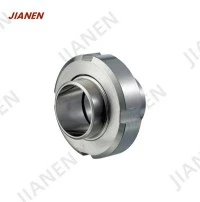


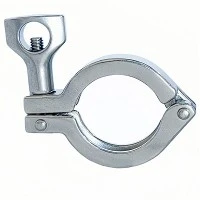
As a supplier of stainless steel long ferrules, I often encounter inquiries from customers regarding the safety considerations when using these products. Stainless steel long ferrules are widely used in various industries, including food and beverage, pharmaceutical, and chemical processing, due to their durability, corrosion resistance, and hygienic properties. However, like any other industrial component, there are certain safety aspects that need to be taken into account to ensure proper and safe usage.
Material Quality and Compatibility
One of the primary safety considerations when using a stainless steel long ferrule is the quality of the material. High - quality stainless steel is essential to ensure the ferrule's integrity and performance over time. Inferior quality stainless steel may contain impurities or have inconsistent properties, which can lead to premature failure, such as cracking or corrosion.
It is crucial to select a stainless steel grade that is compatible with the specific application. For example, in the food and beverage industry, 316L stainless steel is commonly used because it has excellent corrosion resistance and is suitable for contact with food products. In more aggressive chemical environments, a higher - alloy stainless steel may be required. Before purchasing, customers should consult with a knowledgeable supplier to determine the most appropriate stainless steel grade for their needs.
Installation and Assembly
Proper installation of the stainless steel long ferrule is vital for safety. Incorrect installation can lead to leaks, which may pose a risk to personnel and the environment. During installation, it is important to ensure that the ferrule is properly aligned with the mating components, such as steel tube joints. Any misalignment can cause uneven stress distribution, increasing the likelihood of failure.
The tightening torque is another critical factor. Over - tightening the ferrule can damage the sealing surface, while under - tightening can result in a loose connection and potential leakage. Manufacturers usually provide recommended torque values, and these should be strictly followed during installation. Additionally, appropriate tools should be used to ensure accurate tightening.
Pressure and Temperature Ratings
Stainless steel long ferrules are designed to operate within specific pressure and temperature ranges. Exceeding these ratings can lead to catastrophic failure. It is essential to know the maximum pressure and temperature that the ferrule will be exposed to in the application and select a product with suitable ratings.


For high - pressure applications, ferrules with reinforced designs or thicker walls may be necessary. Similarly, in high - temperature environments, the stainless steel's ability to maintain its mechanical properties must be considered. Regular monitoring of pressure and temperature in the system can help detect any abnormal conditions and prevent potential safety hazards.
Chemical Compatibility
In addition to material compatibility with the conveyed fluid in terms of corrosion resistance, it is also important to consider the chemical reactions that may occur between the stainless steel long ferrule and other substances in the system. Some chemicals may react with stainless steel under certain conditions, leading to corrosion or the formation of hazardous by - products.
Before using a stainless steel long ferrule in a chemical - handling application, a thorough chemical compatibility analysis should be conducted. This may involve consulting chemical compatibility charts or conducting tests with the specific chemicals involved. For example, in a chemical processing plant, if a particular chemical is known to be corrosive to stainless steel, appropriate protective measures or alternative materials may need to be considered.
Inspection and Maintenance
Regular inspection and maintenance are key to ensuring the long - term safety of stainless steel long ferrules. Visual inspections can help detect signs of corrosion, damage, or wear. Any visible cracks, dents, or signs of leakage should be addressed immediately.
During maintenance, the ferrules should be carefully examined for proper alignment and tightening. Sealing surfaces should be cleaned and inspected for any signs of damage. If necessary, gaskets or seals should be replaced. Lubrication of moving parts, if applicable, can also help extend the ferrule's lifespan and ensure smooth operation.
Impact of Environmental Conditions
The environmental conditions in which the stainless steel long ferrule operates can also affect its safety. In outdoor applications, exposure to moisture, salt spray, and UV radiation can accelerate corrosion. In such cases, additional protective coatings or treatments may be required to enhance the ferrule's corrosion resistance.
In indoor environments, factors such as humidity, dust, and the presence of chemicals in the air can also impact the ferrule's performance. Adequate ventilation and environmental control measures can help minimize these effects and ensure the long - term safety of the ferrule.
Compatibility with Other Components
When using a stainless steel long ferrule, it is important to consider its compatibility with other components in the system. For example, if the ferrule is connected to steel tube connections, the materials and dimensions of the tubes must be compatible. Mismatched components can lead to stress concentrations, leaks, or other safety issues.
The type of connection, such as welded or threaded, also needs to be carefully considered. Welded connections require proper welding techniques to ensure a strong and leak - free joint. Threaded connections need to have the correct thread pitch and size to ensure a proper fit.
Safety Training for Personnel
Proper safety training for personnel who handle, install, or maintain stainless steel long ferrules is essential. Workers should be educated on the potential hazards associated with these components, such as the risk of leaks, chemical exposure, and high - pressure releases.
Training should cover topics such as correct installation procedures, inspection techniques, and emergency response in case of a failure. By ensuring that personnel are well - trained, the likelihood of safety incidents can be significantly reduced.
Conclusion
In conclusion, while stainless steel long ferrules offer many advantages in various industrial applications, there are several important safety considerations that need to be addressed. From material quality and installation to chemical compatibility and maintenance, every aspect plays a crucial role in ensuring the safe use of these components.
As a supplier of Stainless Steel Crimp Ferrule and stainless steel long ferrules, we are committed to providing high - quality products and offering technical support to our customers. If you have any questions or need assistance in selecting the right stainless steel long ferrule for your application, please do not hesitate to contact us. We are here to help you ensure the safety and reliability of your systems.
References
- ASME B31.3 Process Piping Code
- ASTM Standards for Stainless Steel
- Manufacturer's Installation and Maintenance Guides for Stainless Steel Ferrules