




Hey there! As a supplier of stainless steel clamps, I often get asked about safety precautions when using these handy tools. So, I thought I'd share some insights to help you use them safely and effectively.
First off, let's talk about what stainless steel clamps are used for. These clamps are super versatile and can be found in a wide range of industries, from plumbing and automotive to food processing and construction. They're used to secure pipes, hoses, tubes, and other components together, providing a tight and reliable connection.
Now, let's dive into the safety precautions you should take when using stainless steel clamps.
1. Choose the Right Clamp for the Job
This is crucial. Not all clamps are created equal, and using the wrong one can lead to all sorts of problems. For example, if you're working with high - pressure applications, you'll need a clamp that can handle the stress. Our stainless steel t bolt clamps are designed specifically for high - pressure situations. They have a robust construction and can withstand a lot of force without breaking or losing their grip.
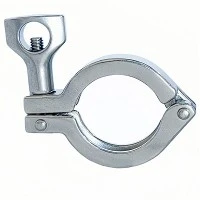
On the other hand, if you're doing a light - duty job, like securing a small hose, a less heavy - duty clamp might be sufficient. The 13SF Double Pin Clamp is a great option for these types of applications. It's easy to install and provides a secure hold.
2. Inspect the Clamp Before Use
Before you start using a stainless steel clamp, give it a good once - over. Check for any signs of damage, such as cracks, dents, or rust. Even a small crack can weaken the clamp and cause it to fail under pressure. If you notice any damage, don't use the clamp. Instead, replace it with a new one.
Also, make sure the clamping mechanism is working properly. For example, if it's a screw - type clamp, check that the screw turns smoothly and isn't stripped. If it's a quick - release clamp, make sure the release mechanism works as it should.
3. Proper Installation
Installing the clamp correctly is key to its safe and effective use. First, clean the surfaces where the clamp will be attached. Any dirt, grease, or debris can prevent the clamp from making a good connection.
When tightening the clamp, use the right tools. For most stainless steel clamps, a standard screwdriver or a wrench is sufficient. But make sure you don't over - tighten the clamp. Over - tightening can damage the clamp itself, as well as the components it's holding. It can also cause the material to deform, which can lead to leaks or other problems down the line.
Follow the manufacturer's instructions for the correct torque or tightening level. If you're not sure, you can always consult with us. We're here to help you get the installation right.
4. Consider the Environment
The environment in which the clamp will be used also matters. If the clamp is going to be exposed to extreme temperatures, chemicals, or moisture, you need to choose a clamp that can withstand these conditions.
For example, in a food processing environment, the clamp needs to be made of food - grade stainless steel to ensure it's safe for contact with food. Our heavy duty stainless steel clamps are made of high - quality stainless steel that is resistant to corrosion and can handle the harsh cleaning agents used in food processing facilities.
In an outdoor environment, where the clamp will be exposed to rain and sunlight, choose a clamp with a good protective coating to prevent rusting.
5. Regular Maintenance
Once the clamp is installed, don't just forget about it. Regular maintenance is important to ensure its continued safe use. Check the clamp periodically for any signs of wear or damage. If you notice any issues, address them immediately.
If the clamp is in a dirty or corrosive environment, clean it regularly. Use a mild detergent and a soft cloth to clean the clamp, and then dry it thoroughly to prevent rust.
6. Training and Education
If you're working in a team, make sure everyone is trained on the proper use and safety precautions of stainless steel clamps. Provide them with the necessary information and resources, such as installation guides and safety manuals.


Encourage your team members to ask questions if they're not sure about something. A little bit of training can go a long way in preventing accidents and ensuring the safe use of these clamps.
7. Storage
When you're not using the clamps, store them properly. Keep them in a dry, clean place to prevent rust and damage. If possible, store them in a container or a rack where they won't get knocked around or damaged.
In conclusion, using stainless steel clamps safely requires a combination of choosing the right clamp, proper installation, regular maintenance, and being aware of the environment. By following these safety precautions, you can ensure that your clamps perform well and last a long time.
If you're in the market for high - quality stainless steel clamps, we're here to help. We offer a wide range of clamps to suit different applications and requirements. Whether you need a clamp for a small DIY project or a large industrial application, we've got you covered. Contact us today to discuss your needs and start the procurement process. We look forward to working with you!
References
- General safety guidelines for industrial fasteners and clamps.
- Manufacturer's manuals for stainless steel clamps.