




Hey there! I'm a supplier of sanitary pumps, and today I want to dig into a question that often pops up: Can a sanitary pump be used in reverse flow applications?
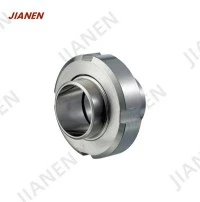
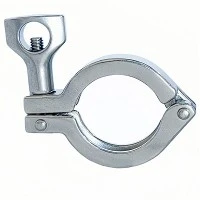
First off, let's understand what sanitary pumps are all about. Sanitary pumps are designed to meet strict hygiene standards. They're commonly used in industries like food and beverage, pharmaceuticals, and cosmetics. These pumps are built with materials that can withstand frequent cleaning and won't contaminate the products they're handling. For example, many of them are made of Stainless Steel sanitary pump, which is resistant to corrosion and easy to sanitize.
Now, reverse flow applications. In a normal situation, a pump is set up to move fluid from a lower - pressure area to a higher - pressure area in a specific direction. But in reverse flow applications, the fluid might need to move in the opposite direction than what the pump was initially intended for.
The short answer is, it depends. Some sanitary pumps can handle reverse flow, while others can't. Let's take a look at the factors that come into play.
Pump Design
The design of the pump is a major factor. There are different types of sanitary pumps, such as centrifugal pumps and positive displacement pumps.
Centrifugal Pumps:
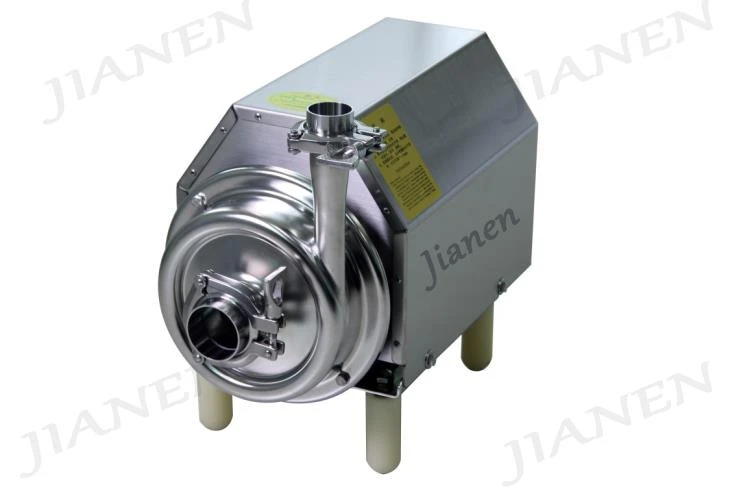
Stainless Steel Centrifugal Pumps work by using a rotating impeller to create centrifugal force that moves the fluid. In general, centrifugal pumps are not well - suited for reverse flow. When the flow is reversed, the impeller might not be able to generate the same amount of pressure and flow rate. The way the impeller is shaped and the volute (the casing around the impeller) is designed is optimized for a specific flow direction. If you try to run a centrifugal pump in reverse, you might notice a significant drop in performance. The pump could also experience cavitation, which is when bubbles form in the fluid due to low pressure. Cavitation can damage the impeller and other internal components over time, reducing the pump's lifespan and efficiency.
Positive Displacement Pumps:
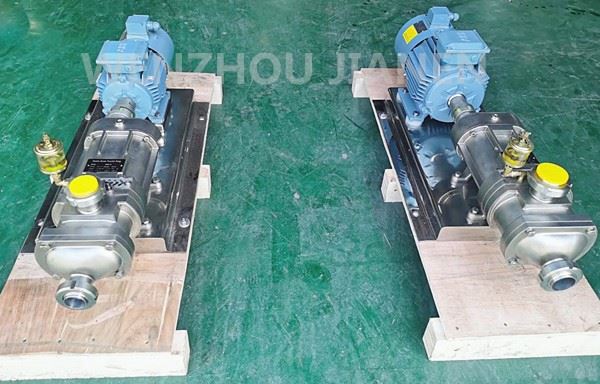
Positive displacement pumps, like the sanitary sewer pump, work by trapping a fixed amount of fluid and then forcing it into the discharge pipe. These pumps are more likely to handle reverse flow better. For example, a twin - screw positive displacement pump can often operate in reverse without a huge loss in performance. The design of the screws allows them to move the fluid in either direction. However, there are still some limitations. The seals and gaskets in the pump might be designed for a specific flow direction. If the flow is reversed, there could be a higher risk of leakage, especially if the pressure is high.
Sealing and Gaskets
The sealing and gaskets in a sanitary pump are crucial for preventing leaks and maintaining hygiene. In normal flow conditions, these seals are designed to handle the pressure and flow in one direction. When the flow is reversed, the pressure distribution on the seals changes. Some seals might not be able to withstand the new pressure conditions, leading to leaks. This is a big problem in sanitary applications because any leakage can lead to contamination of the product being pumped.
Material Compatibility
Even if a pump can physically handle reverse flow, the materials used in its construction need to be considered. In sanitary applications, the materials must be compatible with the fluid being pumped. When the flow is reversed, the fluid might come into contact with parts of the pump in a different way. For example, if the fluid has some abrasive particles, the reverse flow might cause more wear on certain components that were not designed to handle that kind of abrasion in that direction.
Safety and Regulatory Considerations
Sanitary pumps are often used in industries with strict safety and regulatory requirements. Using a pump in reverse flow might violate some of these regulations. For example, in the food industry, pumps need to be designed and operated in a way that ensures the safety of the food products. If using a pump in reverse flow could potentially contaminate the food or pose a safety risk, it's not allowed.
Performance and Efficiency
Running a pump in reverse flow can have a significant impact on its performance and efficiency. As mentioned earlier, centrifugal pumps might lose a lot of their pumping capacity when the flow is reversed. This means you might need a larger pump or multiple pumps to achieve the same flow rate and pressure. In terms of energy consumption, an inefficient pump will use more power, which can increase operating costs.
When Reverse Flow Might Be Acceptable
There are some situations where using a sanitary pump in reverse flow might be acceptable.
Cleaning and Flushing:
During the cleaning process of a sanitary system, reverse flow can be used to flush out any residues or contaminants from the pipes and the pump itself. In this case, the flow is usually at a lower pressure and for a short period of time. As long as the pump can handle the pressure and the cleaning solution is compatible with the pump materials, reverse flow can be a useful way to ensure thorough cleaning.
Emergency Situations:
In some emergency situations, such as a blockage in the normal flow path, reverse flow might be used as a temporary solution. However, this should be done with caution and only after consulting with a pump expert. The pump should be inspected and maintained properly after the emergency use to make sure it's still in good working condition.
So, if you're thinking about using a sanitary pump in reverse flow applications, here's what you should do:
- Check the Pump Manufacturer's Guidelines: The manufacturer of the pump should have information on whether the pump can be used in reverse flow and under what conditions.
- Consult with an Expert: If you're not sure, it's always a good idea to talk to a pump engineer or an expert in the field. They can assess your specific situation and recommend the best course of action.
- Conduct a Test: If possible, conduct a small - scale test to see how the pump performs in reverse flow. Monitor the pressure, flow rate, and any signs of leakage or damage.
In conclusion, while some sanitary pumps can handle reverse flow to a certain extent, it's not a one - size - fits - all situation. You need to carefully consider the pump design, sealing, material compatibility, safety, and performance before deciding to use a pump in reverse flow.
If you're in the market for a sanitary pump or have any questions about reverse flow applications, don't hesitate to reach out. We're here to help you find the right pump for your needs and ensure it operates safely and efficiently. Whether it's for normal flow or reverse flow applications, we've got the expertise and the products to meet your requirements.
References
- "Pump Handbook" by Igor J. Karassik et al.
- Industry standards and guidelines for sanitary pumps in food, pharmaceutical, and cosmetic industries.