





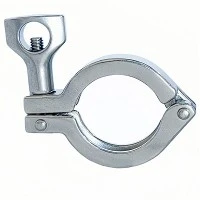
Sanitary clamped seals are integral components in many industries, especially those that require high - levels of hygiene and precision, such as food and beverage, pharmaceuticals, and biotechnology. As a supplier of sanitary clamped seals, I often receive inquiries from customers about the possibility of reusing these seals. In this blog, I'll delve into the various aspects of reusing sanitary clamped seals, weighing the pros and cons based on scientific and practical considerations.
Understanding Sanitary Clamped Seals
Before discussing reuse, it's important to understand what sanitary clamped seals are. These seals are designed to create a tight, leak - proof connection between [sanitary pipes and fitting]((/stainless-steel-pipe-fitting/sanitary-pipe-fittings/sanitary-clamp-tees.html). They are typically made from materials like silicone, EPDM (Ethylene Propylene Diene Monomer), or PTFE (Polytetrafluoroethylene), chosen for their chemical resistance, durability, and ability to withstand high - temperature sterilization processes.
The clamping mechanism provides a secure hold, ensuring that the seal remains in place even under pressure. For instance, in a brewery, sanitary clamped seals are used to connect different sections of the brewing equipment, preventing any contamination of the beer during the production process.
Factors Influencing Reusability
Material Integrity
One of the primary factors determining whether a sanitary clamped seal can be reused is its material integrity. Over time, exposure to chemicals, high temperatures, and mechanical stress can cause the seal material to degrade. For example, silicone seals may harden or develop cracks when exposed to harsh cleaning agents or repeated autoclaving.
If the seal shows signs of wear, such as visible cracks, tears, or a change in its physical properties (e.g., hardness), it should not be reused. A damaged seal cannot provide an effective barrier against contaminants, which can compromise the hygiene of the entire system.
Seal Design and Fit
The design and fit of the seal also play a crucial role. A properly installed seal forms a perfect interface between the two mating surfaces. However, during disassembly, the seal may be distorted or misaligned. If the seal no longer fits snugly or if its shape has been altered, it will not create a reliable seal upon reuse.
For example, in a [Stainless Steel Pipe Fitting]((/stainless-steel-pipe-fitting/sanitary-pipe-fittings/sanitary-bend-ferrule-fittings.html), a poorly fitting seal can lead to leaks, which can result in product loss and potential contamination.
Contamination
Sanitary applications demand a high level of cleanliness. Once a seal has been in use, it may have been exposed to various contaminants, such as bacteria, chemicals, or particulate matter. Thorough cleaning is essential before reuse. However, some contaminants may be difficult to remove completely, especially if they have penetrated the seal material.
In the pharmaceutical industry, for instance, any trace of contamination can have serious consequences for product quality and patient safety. Therefore, reusing a seal that has been exposed to potentially harmful substances may not be advisable.
Advantages of Reusing Sanitary Clamped Seals
Cost Savings
One of the most significant advantages of reusing sanitary clamped seals is cost savings. These seals can be relatively expensive, especially those made from high - performance materials. By reusing them, companies can reduce their procurement costs significantly.
For small - scale manufacturers or start - ups with limited budgets, cost savings can be a deciding factor. Reusing seals allows them to allocate their financial resources to other critical areas of their business, such as research and development or marketing.

Environmental Benefits
Reusing seals also has environmental benefits. Manufacturing new seals requires energy and raw materials, and disposing of used seals contributes to waste generation. By reusing seals, companies can reduce their carbon footprint and contribute to a more sustainable manufacturing process.
Disadvantages of Reusing Sanitary Clamped Seals
Risk of Contamination
As mentioned earlier, reusing seals increases the risk of contamination. Even with thorough cleaning, there is always a possibility that some contaminants remain. In industries where strict hygiene standards are required, such as the food and pharmaceutical industries, this risk is unacceptable.
A single instance of contamination can lead to product recalls, which can be extremely costly for companies in terms of financial losses and damage to their reputation.

Compromised Performance
Over time, the performance of a seal may deteriorate, even if it appears to be in good condition. The seal may lose its elasticity, which can result in a less effective seal. This can lead to leaks, which can affect the efficiency of the system and potentially cause damage to the equipment.

For example, in a [Stainless Steel Clamp Male Adaptor]((/stainless-steel-pipe-fitting/sanitary-pipe-fittings/stainless-steel-clamped-male-adaptor.html), a leaking seal can cause corrosion of the fitting, reducing its lifespan and requiring costly replacements.
Guidelines for Reusing Sanitary Clamped Seals
If you decide to reuse sanitary clamped seals, it's important to follow some guidelines to ensure safety and performance.
Inspection
Before reuse, carefully inspect the seal for any signs of damage or wear. Check for cracks, tears, changes in hardness, or any other visible defects. If any issues are found, the seal should be discarded.
Cleaning
Thoroughly clean the seal using appropriate cleaning agents. The cleaning process should be designed to remove all contaminants without damaging the seal material. After cleaning, the seal should be rinsed and dried completely.
Testing
Conduct a performance test on the seal before reinstalling it. This can involve checking for leaks under pressure or verifying that the seal fits correctly. If the seal fails the test, it should not be reused.
Conclusion
In conclusion, the question of whether sanitary clamped seals can be reused is not a straightforward one. While there are potential cost savings and environmental benefits to reusing seals, there are also significant risks, such as contamination and compromised performance.
As a supplier, I recommend that customers carefully evaluate their specific needs and the condition of the seals before deciding to reuse them. In industries with strict hygiene requirements, it may be more prudent to use new seals for each application.
If you have any questions about sanitary clamped seals or need advice on the best sealing solutions for your application, please feel free to contact us. We are here to help you make the most informed decisions for your business.
References
- "Handbook of Seal Technology" by A.W. Lebeck
- "Sanitary Design in the Food Industry" by G. Lund
- Industry standards and guidelines for sanitary equipment and seals, such as those set by the 3 - A Sanitary Standards, Inc.