




Can stainless steel pipe fittings be used in chemical pipelines? This is a question that often arises in the industrial and chemical sectors. As a supplier of Stainless Steel Pipe Fittings, I have extensive knowledge and experience in this area, and I'm here to provide a comprehensive answer.
Understanding Stainless Steel Pipe Fittings
Stainless steel is an alloy primarily composed of iron, chromium, and nickel, with other elements added in varying proportions to enhance specific properties. The addition of chromium creates a thin, passive oxide layer on the surface of the steel, which is highly resistant to corrosion. This makes stainless steel an ideal material for a wide range of applications, including pipe fittings.
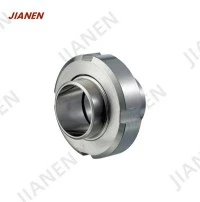
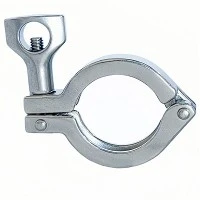
Stainless steel pipe fittings come in various shapes and sizes, such as elbows, tees, couplings, and flanges. They are used to connect, control, and direct the flow of fluids in pipelines. These fittings are known for their durability, strength, and resistance to high temperatures and pressures.
Chemical Pipelines: A Harsh Environment
Chemical pipelines are used to transport a variety of chemicals, including acids, alkalis, solvents, and corrosive gases. These chemicals can be highly reactive and corrosive, posing a significant challenge to the materials used in the pipeline. The pipeline must be able to withstand the chemical properties of the transported substances, as well as the mechanical stresses and environmental conditions.
In addition to corrosion, chemical pipelines are also subject to other forms of degradation, such as erosion, fatigue, and stress corrosion cracking. These factors can lead to leaks, failures, and safety hazards, making the selection of the right materials crucial for the reliable and safe operation of the pipeline.


Advantages of Using Stainless Steel Pipe Fittings in Chemical Pipelines
- Corrosion Resistance: As mentioned earlier, stainless steel has excellent corrosion resistance due to the formation of a passive oxide layer on its surface. This layer protects the underlying metal from chemical attack, even in harsh environments. Different grades of stainless steel are available, each with varying levels of corrosion resistance, allowing for the selection of the most suitable material for the specific chemical being transported.
- Strength and Durability: Stainless steel pipe fittings are known for their high strength and durability. They can withstand high pressures and temperatures, making them suitable for use in chemical pipelines that operate under demanding conditions. The strength of stainless steel also ensures that the fittings can resist mechanical stresses, such as vibration and impact, without deformation or failure.
- Hygiene and Cleanliness: In some chemical applications, such as the pharmaceutical and food industries, hygiene and cleanliness are of utmost importance. Stainless steel is a non-porous material that is easy to clean and sterilize, making it ideal for use in pipelines where product purity is critical.
- Versatility: Stainless steel pipe fittings are available in a wide range of shapes, sizes, and configurations, allowing for easy installation and customization. They can be welded, threaded, or flanged, providing flexibility in pipeline design and construction.
- Long Service Life: Due to their corrosion resistance and durability, stainless steel pipe fittings have a long service life. This reduces the need for frequent replacement and maintenance, resulting in cost savings over the life of the pipeline.
Considerations for Using Stainless Steel Pipe Fittings in Chemical Pipelines
While stainless steel pipe fittings offer many advantages for use in chemical pipelines, there are also some considerations that need to be taken into account.
- Chemical Compatibility: Not all grades of stainless steel are suitable for all chemicals. It is essential to select the right grade of stainless steel based on the specific chemical being transported. For example, some acids and alkalis may require a higher grade of stainless steel with increased corrosion resistance.
- Temperature and Pressure: The operating temperature and pressure of the pipeline also need to be considered when selecting stainless steel pipe fittings. Higher temperatures and pressures may require the use of thicker-walled fittings or a higher grade of stainless steel to ensure the integrity of the pipeline.
- Cost: Stainless steel pipe fittings can be more expensive than other materials, such as carbon steel or PVC. However, the long service life and reduced maintenance requirements of stainless steel can offset the initial cost over time.
- Fabrication and Installation: Proper fabrication and installation of stainless steel pipe fittings are crucial to ensure their performance and reliability. Welding, for example, requires special techniques and equipment to prevent the formation of heat-affected zones that can reduce the corrosion resistance of the stainless steel.
Specific Stainless Steel Pipe Fittings for Chemical Pipelines
As a supplier of Stainless Steel Pipe Fittings, we offer a range of products that are suitable for use in chemical pipelines. Some of our popular products include:
- Stainless Steel Sanitary Crimp Ferrule: These ferrules are designed for use in sanitary applications, such as the pharmaceutical and food industries. They are made from high-quality stainless steel and are available in various sizes and configurations.
- Stainless Steel 14MPW Heavy Wall Ferrule: These heavy-wall ferrules are suitable for use in high-pressure applications, such as chemical pipelines. They are made from a high-strength grade of stainless steel and are designed to withstand the mechanical stresses and pressures of the pipeline.
- Union Hexagonal Nut – Stainless Steel – 13H: These hexagonal nuts are used to connect and secure pipe fittings in the pipeline. They are made from stainless steel and are available in various sizes and thread pitches.
Conclusion
In conclusion, stainless steel pipe fittings can be used in chemical pipelines, offering many advantages such as corrosion resistance, strength, durability, and versatility. However, it is essential to select the right grade of stainless steel based on the specific chemical being transported, as well as the operating temperature and pressure of the pipeline. Proper fabrication and installation are also crucial to ensure the performance and reliability of the fittings.
If you are considering using stainless steel pipe fittings in your chemical pipeline, we invite you to contact us for more information and to discuss your specific requirements. Our team of experts is available to provide technical support and guidance to help you select the right products for your application.
References
- ASM Handbook, Volume 13A: Corrosion: Fundamentals, Testing, and Protection. ASM International.
- API 5L: Specification for Line Pipe. American Petroleum Institute.
- ASTM A312: Standard Specification for Seamless, Welded, and Heavily Cold Worked Austenitic Stainless Steel Pipes. ASTM International.