




Can stainless steel pipe fittings be used in irrigation systems?
As a seasoned supplier of stainless steel pipe fittings, I've often been asked whether these products are suitable for irrigation systems. In this blog post, I'll delve into the characteristics of stainless steel pipe fittings and evaluate their applicability in irrigation, based on my years of industry experience and in - depth knowledge of the product.
1. Characteristics of Stainless Steel Pipe Fittings
Stainless steel is an alloy primarily composed of iron, with a minimum of 10.5% chromium content. This chromium forms a passive oxide layer on the surface of the steel, which is highly resistant to corrosion.
- Corrosion Resistance: One of the most significant advantages of stainless steel pipe fittings is their excellent corrosion resistance. In irrigation systems, water may contain various substances such as minerals, chemicals, and even microorganisms. Over time, these substances can cause corrosion in pipes made of other materials, such as iron or galvanized steel. Stainless steel, however, can withstand the corrosive effects of these substances, ensuring a longer lifespan for the irrigation system. For example, in areas where the water has a high salt content or is acidic, stainless steel pipe fittings will not rust or corrode easily, maintaining the integrity of the system.
- Strength and Durability: Stainless steel pipe fittings are known for their high strength. They can withstand high pressure and mechanical stress, which is crucial in irrigation systems. In large - scale irrigation projects, water is often pumped at high pressures to reach different areas of the field. Stainless steel pipe fittings can handle these pressures without deforming or breaking, providing a reliable connection between pipes. Moreover, they are resistant to impact and abrasion, making them suitable for use in harsh environments.
- Hygiene and Cleanliness: In some irrigation applications, especially those related to agricultural products that are directly consumed, hygiene is of utmost importance. Stainless steel is a non - porous material, which means it does not harbor bacteria or other contaminants. It is easy to clean and sanitize, ensuring that the water flowing through the irrigation system remains clean and safe for plants. For instance, in organic farming, where the use of chemicals for cleaning is restricted, stainless steel pipe fittings are an ideal choice.
2. Types of Stainless Steel Pipe Fittings for Irrigation
There are various types of stainless steel pipe fittings available in the market, each with its own unique features and applications in irrigation systems.
- Sanitary 15A Bevel Seat Ferrule: The Sanitary 15A Bevel Seat Ferrule is designed for applications where a tight and hygienic connection is required. It is commonly used in small - diameter pipes in irrigation systems, especially in areas where the water flow needs to be controlled precisely. The bevel seat design ensures a leak - free connection, preventing water loss and ensuring efficient irrigation.
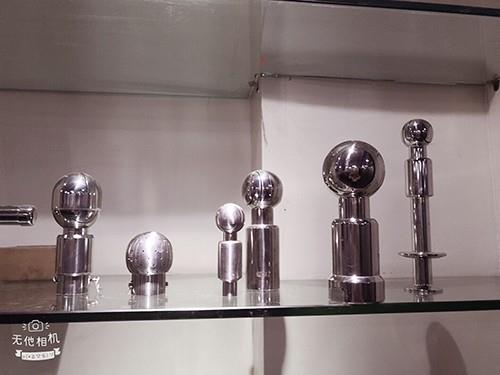
- Sanitary Clamped Rotary Cleaning Ball: The Sanitary Clamped Rotary Cleaning Ball is a useful component in irrigation systems, especially in those that require regular cleaning. It can be used to clean the inside of pipes and fittings, removing any dirt, debris, or mineral deposits. This helps to maintain the efficiency of the irrigation system and extends the lifespan of the pipes and fittings.
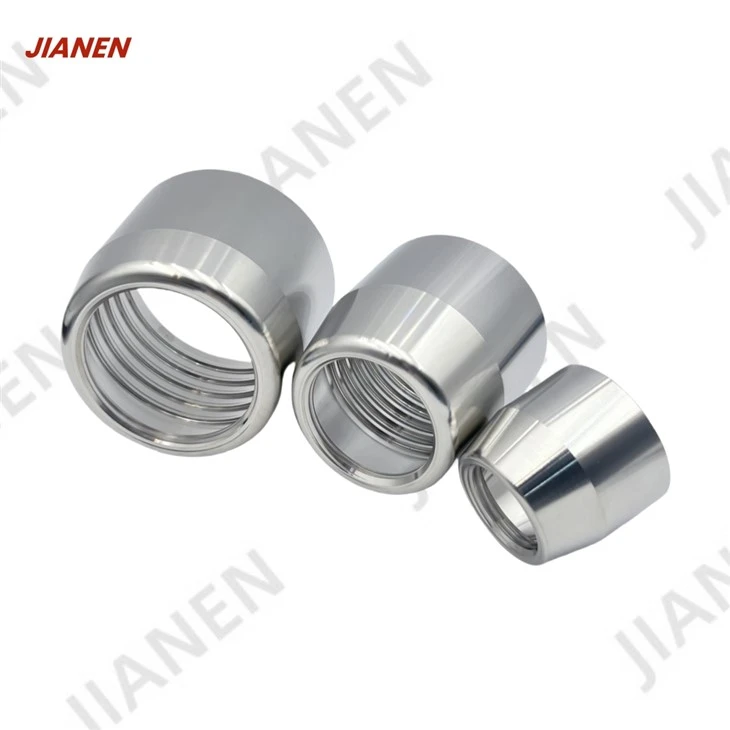
- Stainless Steel Sanitary Crimp Ferrule: The Stainless Steel Sanitary Crimp Ferrule provides a secure and reliable connection between pipes. It is easy to install and can be used in a variety of irrigation applications. The crimping process ensures a tight fit, preventing leaks and ensuring the smooth flow of water through the system.
3. Advantages of Using Stainless Steel Pipe Fittings in Irrigation Systems
- Long - term Cost - effectiveness: Although the initial cost of stainless steel pipe fittings may be higher than that of other materials, their long lifespan and low maintenance requirements make them a cost - effective choice in the long run. They do not need to be replaced frequently due to corrosion or damage, reducing the overall cost of the irrigation system over time.
- Compatibility with Different Water Sources: Stainless steel pipe fittings can be used with various water sources, including groundwater, surface water, and recycled water. They can withstand the different chemical compositions and qualities of these water sources, ensuring the proper functioning of the irrigation system regardless of the water source.
- Environmental Friendliness: Stainless steel is a recyclable material. At the end of their useful life, stainless steel pipe fittings can be recycled, reducing the environmental impact. Additionally, their long lifespan means less waste is generated compared to other materials that need to be replaced more frequently.
4. Considerations When Using Stainless Steel Pipe Fittings in Irrigation
- Cost: As mentioned earlier, the initial cost of stainless steel pipe fittings is relatively high. This may be a limiting factor for some small - scale irrigation projects with a tight budget. However, it is important to consider the long - term cost - effectiveness when making a decision.
- Installation Requirements: Stainless steel pipe fittings may require special installation tools and techniques. Improper installation can lead to leaks and other problems. It is recommended to have professional installers handle the installation of stainless steel pipe fittings to ensure their proper functioning.
- Compatibility with Other Materials: When using stainless steel pipe fittings in an irrigation system, it is important to ensure their compatibility with other materials, such as plastic pipes or valves. Some materials may react with stainless steel under certain conditions, which can affect the performance of the system.
5. Conclusion
In conclusion, stainless steel pipe fittings can be an excellent choice for irrigation systems. Their corrosion resistance, strength, durability, and hygiene make them suitable for a wide range of irrigation applications. While there are some considerations, such as cost and installation requirements, the long - term benefits outweigh the drawbacks.
If you are considering using stainless steel pipe fittings in your irrigation system, or if you have any questions about our products, please feel free to contact us for a detailed discussion. We are more than happy to assist you in finding the most suitable solutions for your irrigation needs.
References
- ASM Handbook Committee, ASM Handbook Volume 13A: Corrosion: Fundamentals, Testing, and Protection. ASM International, 2003.
- Water Quality Association, “Irrigation Water Quality: A Guide for Homeowners and Professionals.” 2018.
- American Iron and Steel Institute, “Stainless Steel: Properties and Applications.” 2020.