




Hey there! I'm a supplier of Stainless Steel Pipe Fittings, and today I wanna chat about whether stainless steel pipe fittings can be used in marine applications. It's a question I get a lot, so let's dig into it.
Why Stainless Steel?
First off, let's talk about why stainless steel is even in the running for marine use. Stainless steel is known for its corrosion resistance. This is a big deal in the marine environment, where saltwater is everywhere. Saltwater is super corrosive, and it can eat away at many types of metals pretty quickly. But stainless steel has a protective layer of chromium oxide on its surface. This layer forms naturally when the steel is exposed to oxygen, and it acts as a shield against corrosion.
Another great thing about stainless steel is its strength. Marine applications often involve high pressures and rough conditions. Stainless steel pipe fittings can handle these pressures without deforming or breaking. They're also durable, which means they can last a long time in the tough marine environment.
Types of Stainless Steel for Marine Use
Not all stainless steel is created equal when it comes to marine applications. The most commonly used grades are 316 and 316L. These grades have a higher amount of molybdenum compared to other stainless steels, which gives them even better corrosion resistance in saltwater.


316 stainless steel is a popular choice because it's strong, corrosion-resistant, and relatively easy to work with. It can be welded, bent, and formed into different shapes, which makes it suitable for a wide range of marine applications. 316L is a low-carbon version of 316. The lower carbon content reduces the risk of carbide precipitation during welding, which can lead to corrosion in the heat-affected zone.
Specific Marine Applications
Stainless steel pipe fittings are used in a variety of marine applications. One of the most common uses is in shipbuilding. They're used in the piping systems for fresh water, seawater, and fuel. For example, in the cooling systems of ships, stainless steel pipe fittings are used to connect the pipes that carry seawater to cool the engines. The corrosion resistance of stainless steel ensures that these pipes can last for a long time without leaking or failing.
Another application is in offshore oil and gas platforms. These platforms are exposed to harsh marine conditions, including saltwater, high winds, and extreme temperatures. Stainless steel pipe fittings are used in the piping systems for transporting oil, gas, and other fluids. They need to be able to withstand high pressures and corrosive environments, and stainless steel fits the bill perfectly.
In addition, stainless steel pipe fittings are also used in desalination plants. These plants convert seawater into fresh water, and the piping systems need to be able to handle the high salt content of the seawater. Stainless steel's corrosion resistance makes it an ideal material for these applications.
Our Product Range
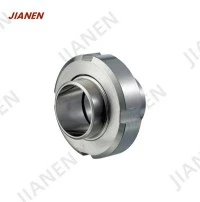
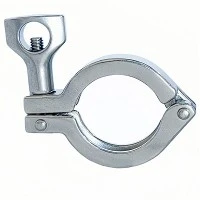
As a supplier of Stainless Steel Pipe Fittings, we offer a wide range of products that are suitable for marine applications. For example, our Sanitary Hose Adaptor Fitting is made from high-quality 316 stainless steel. It's designed to connect hoses to pipes in a sanitary and leak-free way. This fitting is perfect for use in marine applications where cleanliness and reliability are important.
We also have the Stainless Steel 13H HEX NUT. These nuts are used to secure pipes and fittings together. They're made from 316 stainless steel, which means they're strong and corrosion-resistant. They can withstand the high pressures and vibrations that are common in marine applications.
And our Sanitary 21MP MALE ADAPTOR is another great product for marine use. It's designed to connect pipes of different sizes and materials. The sanitary design ensures that there are no crevices where bacteria can grow, which is important in applications where cleanliness is crucial.
Considerations When Using Stainless Steel in Marine Applications
While stainless steel is a great choice for marine applications, there are a few things to keep in mind. One is the potential for crevice corrosion. Crevice corrosion can occur in areas where there are tight spaces or gaps, such as between two fittings or under gaskets. To prevent crevice corrosion, it's important to use proper installation techniques and to choose fittings that are designed to minimize crevices.
Another consideration is the effect of temperature. Stainless steel's corrosion resistance can be affected by temperature. In general, higher temperatures can increase the rate of corrosion. So, in applications where the temperature is high, it's important to choose the right grade of stainless steel and to take appropriate measures to control the temperature.
Conclusion
So, can stainless steel pipe fittings be used in marine applications? The answer is a resounding yes! Stainless steel's corrosion resistance, strength, and durability make it an ideal material for a wide range of marine applications. Whether it's in shipbuilding, offshore oil and gas platforms, or desalination plants, stainless steel pipe fittings can provide reliable and long-lasting performance.
If you're in the market for stainless steel pipe fittings for your marine project, don't hesitate to get in touch. We're here to help you find the right products for your needs. Whether you have questions about our products or need advice on installation, we're just a message away. Let's work together to make your marine project a success!
References
- ASM Handbook Committee. (2004). ASM Handbook Volume 13C: Corrosion: Materials. ASM International.
- Welding Journal. (2010). Stainless Steel Welding: A Practical Guide. American Welding Society.