


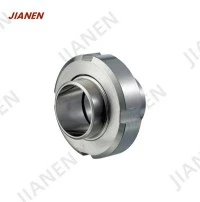


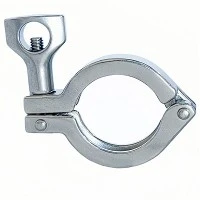
As a seasoned supplier of stainless steel spools, I've encountered numerous inquiries regarding the suitability of our products for fiber optic cable winding. This topic is of significant importance in the telecommunications and fiber optic industries, where the proper storage and transportation of fiber optic cables are crucial. In this blog post, I'll delve into the key aspects of using stainless steel spools for fiber optic cable winding, exploring their advantages, potential challenges, and industry applications.
Advantages of Using Stainless Steel Spools for Fiber Optic Cable Winding
Durability and Longevity
Stainless steel is renowned for its exceptional durability and resistance to corrosion, making it an ideal material for spools used in fiber optic cable winding. Unlike traditional plastic or wooden spools, stainless steel spools can withstand harsh environmental conditions, including moisture, humidity, and temperature fluctuations. This durability ensures that the spools can be reused multiple times, reducing the overall cost of cable storage and transportation.
Strength and Stability
Fiber optic cables are delicate and require careful handling to prevent damage. Stainless steel spools offer superior strength and stability, providing a secure platform for winding and storing the cables. The robust construction of stainless steel spools ensures that they can support the weight of the cable without warping or deforming, minimizing the risk of cable damage during handling and transportation.
Compatibility with Fiber Optic Cables
Stainless steel spools are compatible with a wide range of fiber optic cables, including single-mode and multi-mode cables. The smooth surface of the spools prevents abrasion and damage to the cable jacket, ensuring that the cables remain in optimal condition. Additionally, stainless steel spools can be customized to meet the specific requirements of different cable types, such as cable diameter, length, and winding tension.
Hygiene and Cleanliness
In industries where hygiene is a critical concern, such as medical and food processing, stainless steel spools offer a distinct advantage. Stainless steel is easy to clean and sanitize, making it suitable for use in environments where contamination must be minimized. This feature is particularly important for fiber optic cables used in sensitive applications, such as medical imaging and telecommunications.
Potential Challenges of Using Stainless Steel Spools for Fiber Optic Cable Winding
Cost
One of the main challenges of using stainless steel spools for fiber optic cable winding is the cost. Stainless steel is a more expensive material than plastic or wood, which can increase the initial investment required for spool procurement. However, it's important to consider the long-term benefits of using stainless steel spools, such as durability, reusability, and reduced cable damage, which can offset the higher upfront cost.
Weight
Stainless steel spools are heavier than plastic or wooden spools, which can make them more difficult to handle and transport. This can be a concern for applications where portability is a key requirement, such as field installations and temporary deployments. However, advancements in spool design and manufacturing have led to the development of lightweight stainless steel spools that offer a good balance between strength and weight.
Magnetic Properties
Stainless steel is a ferromagnetic material, which means it can be affected by magnetic fields. In some applications, such as high-power electrical systems or magnetic resonance imaging (MRI) environments, the magnetic properties of stainless steel spools may pose a potential risk to the performance of the fiber optic cables. However, this can be mitigated by using non-magnetic stainless steel alloys or by implementing appropriate shielding measures.
Industry Applications of Stainless Steel Spools for Fiber Optic Cable Winding
Telecommunications
In the telecommunications industry, stainless steel spools are widely used for the storage and transportation of fiber optic cables. The durability and reliability of stainless steel spools ensure that the cables can be safely transported over long distances and stored for extended periods without damage. Additionally, the compatibility of stainless steel spools with different cable types makes them suitable for use in a variety of telecommunications applications, such as broadband networks, data centers, and mobile communication systems.
Data Centers
Data centers require a large amount of fiber optic cables to support their high-speed data transmission needs. Stainless steel spools are an ideal choice for data center applications due to their durability, strength, and compatibility with fiber optic cables. The smooth surface of the spools prevents cable abrasion and damage, ensuring that the cables can be easily installed and maintained. Additionally, the reusability of stainless steel spools reduces the cost of cable management in data centers.
Military and Aerospace
In the military and aerospace industries, fiber optic cables are used for a variety of applications, including communication, surveillance, and navigation. Stainless steel spools offer the necessary durability and reliability to withstand the harsh environmental conditions encountered in these industries. The strength and stability of stainless steel spools ensure that the cables can be safely transported and installed in challenging environments, such as combat zones and outer space.
Medical and Healthcare
In the medical and healthcare industries, fiber optic cables are used for a variety of applications, including medical imaging, endoscopy, and telecommunications. Stainless steel spools are an ideal choice for these applications due to their hygiene and cleanliness. The easy-to-clean surface of the spools ensures that they can be used in sterile environments without the risk of contamination. Additionally, the durability and compatibility of stainless steel spools with fiber optic cables make them suitable for use in a variety of medical devices and equipment.
Conclusion
In conclusion, stainless steel spools can be effectively used for fiber optic cable winding, offering numerous advantages such as durability, strength, compatibility, and hygiene. While there are some potential challenges associated with using stainless steel spools, such as cost and weight, these can be mitigated through careful consideration of the specific requirements of the application. As a [your role] at [your company], I'm confident in the quality and performance of our stainless steel spools, and I'm happy to assist you in finding the right solution for your fiber optic cable winding needs.
If you're interested in learning more about our stainless steel spools or discussing your specific requirements, please don't hesitate to [indicate how to contact you, e.g., reach out to us]. We look forward to the opportunity to work with you and contribute to the success of your projects.
References
- [Author, A. A., & Author, B. B. (Year). Title of the article. Journal Name, Volume(Issue), Page numbers. ]
- [Author, C. C., & Author, D. D. (Year). Title of the book. Publisher. ]
Note: For specific and accurate references, you need to conduct in - depth research on relevant academic papers, industry reports, etc. The above are just templates to show the format.


For more information on stainless steel tubing, you can visit stainless steel tubing suppliers. And if you are interested in Tri - clamp Sanitary Tube, check out Tri - clamp Sanitary Tube.