




Hey there! As a supplier of stainless steel tubes, I often get asked whether stainless steel tubes can be used in pharmaceutical applications. Well, the short answer is yes, and in this blog, I'll dive deep into why that's the case, the types of stainless steel tubes suitable for pharma use, and some key considerations.
Why Stainless Steel Tubes are a Great Fit for Pharmaceutical Applications
First off, let's talk about the properties of stainless steel that make it a top - choice in the pharmaceutical industry.
Corrosion Resistance
Pharmaceutical processes often involve exposure to various chemicals, solvents, and cleaning agents. Stainless steel is highly resistant to corrosion, which means it won't rust or deteriorate when in contact with these substances. This is crucial because any form of corrosion could contaminate the pharmaceutical products, posing a serious risk to patient safety. For example, in a drug manufacturing plant where acids or alkalis are used in the synthesis process, stainless steel tubes can withstand the corrosive effects without leaching any harmful substances into the drugs.
Hygiene
Hygiene is of utmost importance in the pharmaceutical industry. Stainless steel has a smooth surface that is easy to clean and sterilize. It doesn't have pores or crevices where bacteria, fungi, or other microorganisms can hide. This smooth surface also prevents the build - up of biofilms, which can be a breeding ground for harmful pathogens. Regular cleaning and sterilization of stainless steel tubes can ensure that the pharmaceutical products remain free from contamination throughout the manufacturing process.
Strength and Durability
Pharmaceutical manufacturing processes often operate under high pressure and temperature conditions. Stainless steel tubes have excellent mechanical properties, providing high strength and durability. They can withstand the rigors of these processes without deforming or breaking. This reliability is essential to maintain the integrity of the manufacturing system and prevent any disruptions in the production of pharmaceutical products.
Types of Stainless Steel Tubes for Pharmaceutical Applications
There are different types of stainless steel tubes that can be used in pharmaceutical applications, and two popular ones are Stainless Steel Welded Tube and seamless stainless steel tubes.

Stainless Steel Welded Tubes
Welded tubes are made by welding strips of stainless steel together. They are cost - effective and can be produced in large quantities. In pharmaceutical applications, welded tubes are often used for less critical systems such as water supply lines within the manufacturing facility. However, the welding process needs to be carefully controlled to ensure that there are no defects or contaminants at the weld seams. High - quality welded tubes with proper post - weld treatment can still meet the strict requirements of the pharmaceutical industry.
Seamless Stainless Steel Tubes
Seamless tubes are manufactured without any weld seams. This makes them ideal for applications where the highest level of purity and hygiene is required, such as in the production of injectable drugs. Seamless tubes eliminate the risk of leakage at weld seams and provide a more uniform surface for fluid flow. They are also less likely to harbor contaminants, making them a preferred choice for critical pharmaceutical processes. You can find more information about seamless options in stainless steel tubing.
Key Considerations When Using Stainless Steel Tubes in Pharmaceutical Applications
Material Grade
Not all stainless steel grades are suitable for pharmaceutical applications. The most commonly used grades are 304 and 316L. Grade 304 stainless steel offers good corrosion resistance and is relatively inexpensive. Grade 316L, on the other hand, contains molybdenum, which enhances its corrosion resistance, especially in environments with chloride ions. In pharmaceutical plants where saline solutions are used, 316L is often the preferred choice.
Surface Finish
The surface finish of the stainless steel tube can have a significant impact on its performance in pharmaceutical applications. A smooth and polished surface is easier to clean and sterilize. The pharmaceutical industry typically requires a surface finish with a roughness average (Ra) of less than 0.8 micrometers. This ensures that there are no microscopic irregularities where contaminants can accumulate.
Certification
It's essential that the stainless steel tubes used in pharmaceutical applications meet the relevant industry standards and certifications. For example, tubes should comply with the standards set by the American Society for Testing and Materials (ASTM) and the Pharmacopeia standards. Certifications provide assurance that the tubes have been tested and meet the quality and safety requirements for pharmaceutical use.
Special Shapes in Pharmaceutical Applications
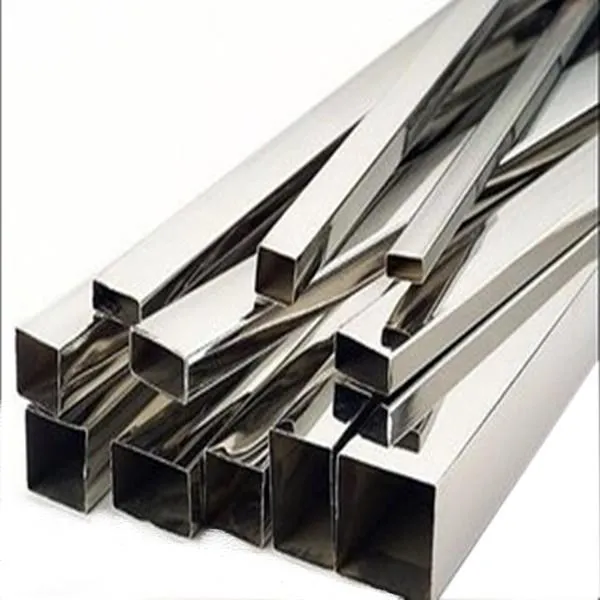
In addition to the standard round tubes, square pipe can also find applications in the pharmaceutical industry. Square pipes can be used in the construction of frames and support structures within the manufacturing facility. They offer a more stable and rigid structure compared to round tubes in some cases. For example, in the installation of equipment racks or walkways, square pipes can provide better load - bearing capacity.
Quality Control and Testing
As a stainless steel tube supplier, we understand the importance of quality control in pharmaceutical applications. Before supplying the tubes, we conduct a series of tests to ensure their quality.
Chemical Composition Analysis
We use advanced analytical techniques to determine the chemical composition of the stainless steel. This ensures that the tubes meet the specified grade requirements and do not contain any harmful impurities.
Non - Destructive Testing
Non - destructive testing methods such as ultrasonic testing and eddy current testing are used to detect any internal defects or discontinuities in the tubes. These tests help to identify potential weaknesses in the tubes without damaging them.
Pressure Testing
Pressure testing is carried out to ensure that the tubes can withstand the operating pressures in the pharmaceutical manufacturing processes. We subject the tubes to high - pressure conditions to check for any leaks or failures.
Conclusion
In conclusion, stainless steel tubes are highly suitable for pharmaceutical applications due to their corrosion resistance, hygiene, strength, and durability. Whether it's a welded tube for a less critical system or a seamless tube for a high - purity process, there are options available to meet the diverse needs of the pharmaceutical industry. Square pipes also offer unique advantages in certain applications.
If you're in the pharmaceutical industry and are looking for high - quality stainless steel tubes, we'd love to have a chat with you. We have a wide range of products that meet the strictest industry standards. Contact us for a detailed discussion on your requirements and let's work together to ensure the success of your pharmaceutical manufacturing processes.
References
- ASTM International Standards for Stainless Steel.
- Pharmaceutical Manufacturing Handbook.
- Journal of Pharmaceutical Sciences related to materials in pharmaceutical manufacturing.