


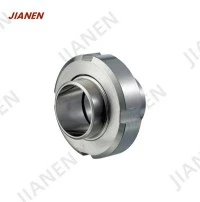


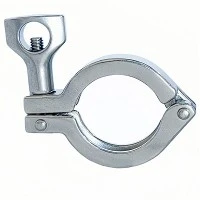
As a supplier of stainless steel long ferrules, I often encounter a crucial question from customers: Do stainless steel long ferrules need to be passivated? In this blog post, I'll delve into this topic, exploring the science behind passivation, its relevance to stainless steel long ferrules, and the implications for both suppliers and end - users.
Understanding Stainless Steel and Passivation
Stainless steel is renowned for its corrosion - resistant properties, which are primarily due to the presence of chromium in its composition. When exposed to oxygen, chromium forms a thin, invisible layer of chromium oxide on the surface of the stainless steel. This layer acts as a protective barrier, preventing further oxidation and corrosion of the underlying metal. This natural process is the basis of what we call "passivation."
However, during the manufacturing process of stainless steel long ferrules, various factors can disrupt this protective layer. Cutting, machining, welding, and even handling can introduce contaminants such as iron particles, grease, or other impurities to the surface. These contaminants can compromise the integrity of the chromium oxide layer, making the ferrule more susceptible to corrosion.
The Process of Passivation
Passivation is a chemical treatment that enhances and restores the protective chromium oxide layer on the surface of stainless steel. It typically involves immersing the stainless steel long ferrules in a bath of nitric acid or citric acid solution. These acids react with the surface of the steel, removing any free iron and other contaminants, and promoting the formation of a more uniform and robust chromium oxide layer.
The benefits of passivation are numerous. Firstly, it significantly improves the corrosion resistance of the stainless steel long ferrules. This is particularly important in applications where the ferrules are exposed to harsh environments, such as in the chemical, food and beverage, or pharmaceutical industries. For example, in a food processing plant, the ferrules may come into contact with acidic or alkaline substances, and passivation can help prevent corrosion that could contaminate the food products.
Secondly, passivation can enhance the aesthetic appearance of the ferrules. A passivated surface is smoother and more uniform, which can be desirable in applications where appearance matters, such as in architectural or decorative uses.
When Passivation is Necessary for Stainless Steel Long Ferrules
Not all stainless steel long ferrules require passivation. It depends on several factors, including the grade of stainless steel used, the manufacturing process, and the intended application.


Grade of Stainless Steel
Some grades of stainless steel are more prone to corrosion than others. For instance, austenitic stainless steels like 304 and 316 are commonly used in the production of long ferrules. While these grades have good inherent corrosion resistance, they can still benefit from passivation, especially if they are exposed to aggressive environments. On the other hand, ferritic stainless steels may have lower corrosion resistance and may require passivation more often.
Manufacturing Process
If the long ferrules are subjected to extensive machining, welding, or other processes that can introduce contaminants, passivation is usually recommended. For example, welding can create heat - affected zones where the chromium oxide layer may be damaged. Passivation can help restore the protective layer in these areas.
Intended Application
As mentioned earlier, the end - use of the stainless steel long ferrules plays a crucial role in determining whether passivation is necessary. In applications where corrosion can have serious consequences, such as in the medical or aerospace industries, passivation is often a standard requirement. In less demanding environments, such as in general plumbing applications, passivation may not be strictly necessary but can still provide added protection and longevity.
Passivation and Industry Standards
In many industries, there are specific standards and regulations regarding the passivation of stainless steel components, including long ferrules. For example, the ASTM A967 standard provides guidelines for the chemical passivation treatments of stainless steel parts. Compliance with these standards ensures that the passivation process is carried out correctly and that the resulting ferrules meet the required quality and performance criteria.
As a supplier, it is our responsibility to be aware of these standards and to ensure that our products meet or exceed them. This not only helps us provide high - quality products to our customers but also protects us from potential legal and liability issues.
Our Approach as a Supplier
At our company, we take a comprehensive approach to the passivation of stainless steel long ferrules. We start by carefully selecting the appropriate grade of stainless steel based on the customer's requirements. During the manufacturing process, we implement strict quality control measures to minimize the introduction of contaminants.
After the ferrules are manufactured, we offer passivation as an optional service. We use state - of - the - art passivation equipment and follow industry - best practices to ensure that the passivation process is carried out effectively. We also perform thorough quality inspections after passivation to verify that the ferrules meet the required corrosion resistance and surface finish standards.
Related Products and Their Connection to Passivation
In addition to stainless steel long ferrules, we also supply a range of related products such as stainless steel crimp pipe fittings and steel tube connections. These products often work in conjunction with the long ferrules in various applications, and passivation can be equally important for them. For example, a well - passivated crimp pipe fitting can provide a more reliable and leak - free connection, while passivated steel tube connections can resist corrosion in harsh environments.
Another product we offer is the Bevel Seat Fittings Weld X Thread Ferrule. Similar to long ferrules, these fittings can benefit from passivation to enhance their corrosion resistance and performance.
Conclusion
In conclusion, the question of whether stainless steel long ferrules need to be passivated depends on a variety of factors. While passivation is not always necessary, it can provide significant benefits in terms of corrosion resistance, aesthetic appearance, and compliance with industry standards.
As a supplier, we are committed to providing our customers with high - quality stainless steel long ferrules and related products. We understand the importance of passivation and offer it as a value - added service to meet the diverse needs of our customers.
If you are interested in learning more about our stainless steel long ferrules or have any questions regarding passivation, we encourage you to reach out to us for a detailed discussion. Our team of experts is ready to assist you in finding the best solutions for your specific applications.
References
- ASTM International. (2023). ASTM A967/A967M - 17e1 Standard Specification for Chemical Passivation Treatments for Stainless Steel Parts.
- ASM International. (2004). Stainless Steels: Properties and Selection: Irons, Steels, and High - Performance Alloys.