


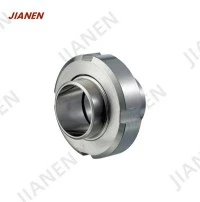


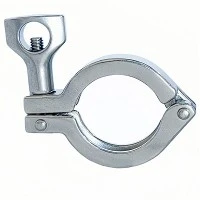
Hey there! As a supplier of Stainless Steel Long Ferrules, I've gotten tons of questions about how to ensure a proper seal with these little but super important components. In this blog, I'll share some tips and tricks that I've learned over the years to help you get the best seal possible.
First off, let's talk about what a Stainless Steel Long Ferrule is. It's a crucial part used in many industries, like food and beverage, pharmaceuticals, and chemical processing. It's designed to connect pipes, tubes, or hoses securely, preventing leaks and maintaining the integrity of the system. A proper seal is essential because leaks can lead to product loss, contamination, and even safety hazards.
1. Choose the Right Ferrule
The first step in ensuring a proper seal is to choose the right ferrule for your application. You need to consider factors like the size of the pipe or tube, the pressure and temperature of the system, and the type of fluid or gas that will be flowing through it.


For example, if you're working with high - pressure systems, you'll need a ferrule that can withstand that pressure without deforming. If you're dealing with corrosive fluids, stainless steel is a great choice because it's resistant to corrosion. Make sure to double - check the specifications of the ferrule to ensure it meets your requirements. You can also find related products like the Stainless Steel Hose Barbx Clamp Stem on our website, which can be used in conjunction with the ferrule for a more secure connection.
2. Surface Preparation
Before installing the ferrule, it's crucial to prepare the surfaces properly. Any dirt, debris, or scratches on the pipe or tube can prevent a proper seal. You should clean the surfaces thoroughly using a suitable cleaning agent. For stainless steel, a mild detergent and water solution usually works well.
After cleaning, make sure to dry the surfaces completely. Moisture can cause corrosion and also affect the seal. If there are any scratches or burrs on the surface, use a file or sandpaper to smooth them out. A smooth surface will allow the ferrule to fit snugly and create a better seal.
3. Installation
Proper installation is key to getting a good seal. Here are some steps to follow:
- Positioning: Place the ferrule on the pipe or tube at the correct position. Make sure it's centered and aligned properly. If it's not positioned correctly, it won't be able to create an even seal.
- Tightening: Use the right tools to tighten the ferrule. Over - tightening can damage the ferrule and the pipe, while under - tightening can lead to leaks. Follow the manufacturer's recommended torque specifications. Usually, a torque wrench is the best tool for this job as it allows you to apply the exact amount of force needed.
- Alignment: Ensure that the connected parts are in proper alignment. Misaligned parts can put uneven stress on the ferrule and cause leaks. You may need to use alignment tools or fixtures to get everything lined up correctly.
4. Compatibility with Other Components
The ferrule doesn't work alone. It needs to be compatible with other components in the system, such as 3 sanitary tee and 45 degree stainless steel elbow. When choosing these components, make sure they have the same size, material, and connection type as the ferrule.
For example, if you're using a stainless steel ferrule, the other components should also be made of stainless steel to avoid galvanic corrosion. Incompatible components can lead to leaks, reduced performance, and even damage to the entire system.
5. Regular Inspection and Maintenance
Once the ferrule is installed, the job isn't done. Regular inspection and maintenance are necessary to ensure the seal remains intact over time.
- Visual Inspection: Check the ferrule regularly for signs of wear, damage, or corrosion. Look for any cracks, dents, or discoloration. If you notice any issues, replace the ferrule immediately.
- Leak Testing: Periodically perform leak tests on the system. There are different methods for leak testing, such as pressure testing or using a leak detection solution. If a leak is detected, find the source and take appropriate measures to fix it.
- Cleaning and Lubrication: Depending on the application, you may need to clean and lubricate the ferrule from time to time. Cleaning helps remove any build - up of dirt or debris, while lubrication can reduce friction and prevent wear.
6. Training and Education
If you're working in a team, make sure everyone involved in the installation and maintenance of the ferrule is properly trained. Incorrect installation due to lack of knowledge can lead to seal failures. Provide training on how to choose the right ferrule, how to prepare the surfaces, and how to install and maintain it correctly.
Conclusion
Ensuring a proper seal with a stainless steel long ferrule is a multi - step process that involves choosing the right ferrule, preparing the surfaces, installing it correctly, ensuring compatibility with other components, and performing regular inspection and maintenance. By following these tips, you can minimize the risk of leaks and ensure the long - term performance of your system.
If you're in the market for high - quality stainless steel long ferrules or any related products, feel free to reach out. We're here to help you find the best solutions for your needs. Whether you have questions about product selection, installation, or maintenance, our team of experts is ready to assist you. Contact us to start a discussion about your requirements and let's work together to get the job done right.
References
- Industry standards for stainless steel pipe fittings
- Manufacturer's guidelines for stainless steel long ferrules
- Technical literature on pipe sealing and connection technologies