




How often should back - washing be carried out for filtration equipment?
As a supplier of filtration equipment, I often encounter customers asking about the optimal frequency of back - washing for their filtration systems. Back - washing is a crucial maintenance process for filtration equipment, which helps to restore the filtration efficiency and prolong the service life of the filters. In this blog, I will delve into the factors that influence the back - washing frequency and provide some guidelines to help you determine the appropriate schedule for your specific filtration needs.

Factors Affecting Back - Washing Frequency
1. Type of Filtration Equipment
Different types of filtration equipment have different requirements for back - washing. For example, a Sanitary Titanium Rod Filter is designed to remove solid particles from liquids. These filters can accumulate a significant amount of debris over time, which reduces their filtration efficiency. Generally, the back - washing frequency for a sanitary titanium rod filter depends on the particle load in the influent. If the influent contains a high concentration of solid particles, more frequent back - washing may be required.
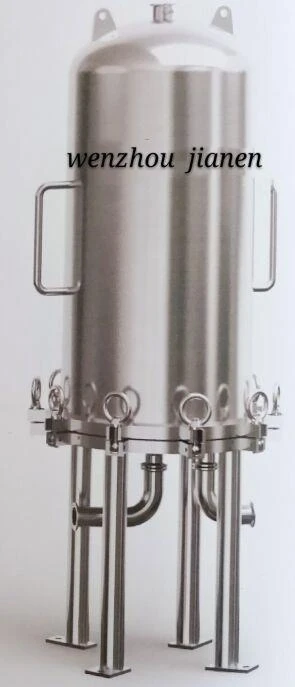
On the other hand, filter housings are used to hold the filters in place and provide a sealed environment for the filtration process. The back - washing frequency of filter housings is often related to the type of filter media they contain. Some filter media are more prone to clogging than others, and thus need more frequent back - washing.
2. Quality of the Influent
The quality of the influent is one of the most important factors determining the back - washing frequency. If the influent water or liquid has a high turbidity, meaning it contains a large number of suspended solids, the filters will become clogged more quickly. For instance, in a water treatment plant that uses surface water as the source, the influent may contain a variety of contaminants such as sand, silt, and organic matter. In this case, the filtration equipment will need to be back - washed more frequently compared to a plant that uses groundwater, which is generally cleaner.
The chemical composition of the influent also matters. Some chemicals in the influent can cause scaling or fouling on the filter surface. For example, high levels of calcium and magnesium ions can lead to the formation of scale on the filters, reducing their performance. In such situations, more frequent back - washing or additional chemical cleaning may be necessary.
3. Flow Rate
The flow rate through the filtration equipment is another significant factor. A higher flow rate means that more water or liquid passes through the filters in a given period, which can cause the filters to clog faster. If the filtration system is operating at a high flow rate for an extended period, the back - washing frequency should be increased accordingly. However, it is important to note that increasing the back - washing frequency too much can also lead to excessive wear and tear on the filters and other components of the filtration system.
4. Operating Conditions
The operating conditions of the filtration equipment, such as temperature and pressure, can affect the back - washing frequency. High temperatures can accelerate the growth of microorganisms on the filter surface, leading to biofouling. In addition, high - pressure operation can cause the filters to compact the particles more tightly, making them more difficult to remove during back - washing. Therefore, in high - temperature or high - pressure environments, more frequent back - washing may be required.
General Guidelines for Back - Washing Frequency
1. Monitoring and Testing
The best way to determine the appropriate back - washing frequency is through regular monitoring and testing. By measuring the pressure drop across the filters, turbidity of the effluent, and other performance indicators, you can get a clear picture of the filter's condition. When the pressure drop reaches a certain threshold or the turbidity of the effluent exceeds the acceptable level, it is a sign that the filters need to be back - washed.
2. Initial Estimation
As a rough guide, for a typical water filtration system used in a residential or small - commercial setting with relatively clean influent, back - washing may be carried out once every 1 - 2 weeks. However, for industrial applications with high - turbidity influent, back - washing may be required daily or even multiple times a day.
For housing filter systems, the back - washing frequency can vary depending on the size of the housing and the type of filter media. In general, small - sized housing filters may need to be back - washed more frequently than large - sized ones.
Benefits of Proper Back - Washing Frequency
1. Improved Filtration Efficiency
Regular and proper back - washing helps to remove the accumulated particles from the filters, restoring their original filtration efficiency. This ensures that the filtration equipment can effectively remove contaminants from the influent, providing high - quality effluent.
2. Extended Service Life
By preventing excessive clogging and fouling, appropriate back - washing frequency can significantly extend the service life of the filters and other components of the filtration system. This reduces the need for frequent filter replacements, saving costs in the long run.
3. Reduced Operating Costs
Proper back - washing frequency can also lead to reduced operating costs. Since the filters are operating at their optimal efficiency, less energy is required to pump the water or liquid through the system. In addition, fewer filter replacements mean lower maintenance costs.
Conclusion
Determining the optimal back - washing frequency for filtration equipment is a complex task that depends on multiple factors such as the type of equipment, quality of the influent, flow rate, and operating conditions. By carefully considering these factors and implementing a regular monitoring and testing program, you can ensure that your filtration system operates at its best.
If you are in the market for high - quality filtration equipment or need more advice on back - washing frequency, we are here to help. Our team of experts can provide you with customized solutions based on your specific requirements. Don't hesitate to contact us for more information and to discuss your procurement needs.
References
- "Filtration and Separation Handbook", Third Edition, by Paul A. Wakeman and Alan S. Tarleton.
- "Water Treatment Unit Processes: Physical and Chemical", Fourth Edition, by George Tchobanoglous, Franklin L. Burton, and H. David Stensel.