


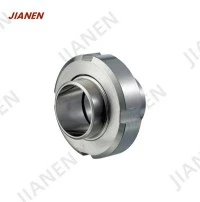


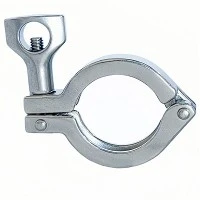
When it comes to industrial applications, choosing the right bevel seat ferrule is crucial for ensuring reliable and efficient steel tube connections. As a seasoned bevel seat ferrule supplier, I understand the complexities involved in this decision-making process. In this blog post, I'll share some key considerations to help you select the most suitable bevel seat ferrule for your specific needs.
Understanding Bevel Seat Ferrules
Bevel seat ferrules are essential components in steel tube connections. They are designed to create a tight seal between the tube and the fitting, preventing leaks and ensuring the integrity of the system. These ferrules are typically used in high-pressure and high-temperature applications, where a secure connection is paramount.
The bevel seat design of the ferrule allows it to conform to the shape of the tube and the fitting, creating a metal-to-metal seal. This type of seal is highly effective in preventing leaks, even under extreme conditions. Bevel seat ferrules are commonly made from materials such as stainless steel, brass, and copper, each offering different levels of corrosion resistance, strength, and durability.
Material Selection
One of the first considerations when choosing a bevel seat ferrule is the material. The material you choose will depend on several factors, including the application environment, the type of fluid or gas being transported, and the operating conditions.
- Stainless Steel: Stainless steel is a popular choice for bevel seat ferrules due to its excellent corrosion resistance, high strength, and durability. It is suitable for a wide range of applications, including those in the chemical, food and beverage, and pharmaceutical industries. Stainless steel ferrules are also resistant to high temperatures and pressures, making them ideal for use in demanding environments.
- Brass: Brass is another commonly used material for bevel seat ferrules. It is known for its good corrosion resistance, malleability, and electrical conductivity. Brass ferrules are often used in applications where a lower cost alternative to stainless steel is required, such as in plumbing and HVAC systems.
- Copper: Copper is a highly conductive material that is also resistant to corrosion. It is commonly used in applications where electrical conductivity is important, such as in electrical wiring and telecommunications. Copper ferrules are also suitable for use in plumbing and heating systems.
Size and Dimensions
The size and dimensions of the bevel seat ferrule are also important considerations. The ferrule must be the correct size to fit the tube and the fitting properly. If the ferrule is too small, it may not create a tight seal, leading to leaks. If it is too large, it may not fit properly, causing damage to the tube or the fitting.
When selecting a bevel seat ferrule, you need to consider the outer diameter (OD) of the tube, the thread size of the fitting, and the length of the ferrule. It is important to choose a ferrule that is compatible with the tube and the fitting to ensure a proper fit and a reliable seal.
Pressure and Temperature Ratings
The pressure and temperature ratings of the bevel seat ferrule are critical factors to consider. The ferrule must be able to withstand the pressure and temperature conditions of the application without failing. If the ferrule is not rated for the required pressure and temperature, it may leak or rupture, leading to safety hazards and system failures.
When choosing a bevel seat ferrule, you need to check the pressure and temperature ratings provided by the manufacturer. Make sure that the ratings are suitable for your application. It is also important to consider any potential fluctuations in pressure and temperature that may occur during operation.
Compatibility with Other Components
In addition to the tube and the fitting, the bevel seat ferrule must also be compatible with other components in the system, such as valves, regulators, and gauges. Compatibility issues can lead to leaks, reduced performance, and premature failure of the system.
Before selecting a bevel seat ferrule, you need to ensure that it is compatible with all the other components in the system. Check the specifications and requirements of each component to make sure that they are compatible with the ferrule. You may also need to consult with the manufacturer or a technical expert to ensure proper compatibility.
Quality and Certification
The quality of the bevel seat ferrule is of utmost importance. A high-quality ferrule will provide a reliable and long-lasting seal, reducing the risk of leaks and system failures. When choosing a ferrule, look for a manufacturer that has a reputation for producing high-quality products.
In addition to quality, it is also important to ensure that the ferrule meets relevant industry standards and certifications. Certifications such as ISO 9001, ASME B16.11, and NACE MR0175 indicate that the ferrule has been tested and meets the required quality and performance standards.
Cost Considerations
Cost is always a factor when making any purchasing decision. While it is important to choose a high-quality bevel seat ferrule, you also need to consider the cost. Compare the prices of different ferrules from different manufacturers to find the best value for your money.


However, it is important to remember that the cheapest option may not always be the best. A low-quality ferrule may require frequent replacement, leading to higher long-term costs. It is often worth investing in a higher-quality ferrule that will provide a reliable and long-lasting seal.
Application-Specific Considerations
Different applications may have specific requirements that need to be considered when choosing a bevel seat ferrule. For example, in the food and beverage industry, the ferrule must be made from materials that are safe for contact with food and beverages. In the pharmaceutical industry, the ferrule must meet strict cleanliness and purity requirements.
In applications where stainless pipe elbows or Stainless Steel Hose Barbx Clamp Stem are used, the bevel seat ferrule must be compatible with these components to ensure a proper fit and a reliable seal.
Conclusion
Choosing the right bevel seat ferrule is a critical decision that can have a significant impact on the performance and reliability of your industrial system. By considering factors such as material selection, size and dimensions, pressure and temperature ratings, compatibility with other components, quality and certification, cost, and application-specific requirements, you can make an informed decision and select the most suitable ferrule for your needs.
As a bevel seat ferrule supplier, I am committed to providing high-quality products and expert advice to help you choose the right ferrule for your application. If you have any questions or need further assistance, please feel free to contact me. I look forward to working with you to ensure the success of your project.
References
- ASME B16.11 - Forged Fittings, Socket-Welding and Threaded
- ISO 9001 - Quality Management Systems
- NACE MR0175 - Sulfide Stress Cracking Resistant Metallic Materials for Oilfield Equipment