




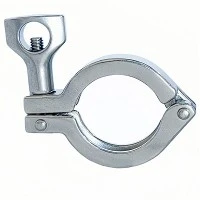
Hey there! As a supplier of sanitary hose adaptors, I know how crucial it is to ensure the hygienic standards of these products. In this blog post, I'm gonna share some tips and tricks on how to maintain top - notch hygiene for sanitary hose adaptors.
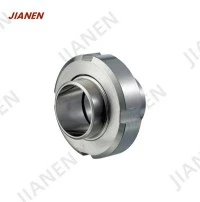
First off, let's talk about the materials. Sanitary hose adaptors are often made from high - quality materials like stainless steel. Stainless steel is a great choice because it's resistant to corrosion, rust, and can withstand harsh cleaning chemicals. When you're choosing a sanitary hose adaptor, make sure it's made from food - grade stainless steel. This type of stainless steel is non - toxic and won't leach any harmful substances into the fluid that passes through the hose. For example, our stainless steel tube fittings are made from top - of - the - line stainless steel, ensuring the highest level of hygiene.
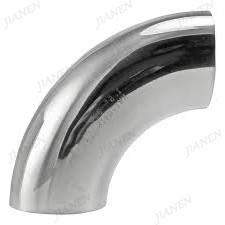
Another important aspect is the design of the adaptor. A well - designed sanitary hose adaptor should have smooth surfaces. Rough surfaces can trap dirt, bacteria, and other contaminants, making it difficult to clean. The adaptor should also have minimal crevices and joints. These areas are breeding grounds for bacteria as they're hard to reach during cleaning. For instance, our 90 degree elbow steel has a smooth interior and exterior finish, which helps prevent the accumulation of dirt and bacteria.
Now, let's move on to the manufacturing process. During manufacturing, it's essential to follow strict hygiene protocols. The production environment should be clean and free from dust, debris, and other contaminants. Workers should wear appropriate protective gear, such as gloves and masks, to prevent the introduction of germs. Additionally, the manufacturing equipment should be regularly cleaned and maintained to ensure that it doesn't contaminate the products.
After the adaptors are manufactured, proper packaging is key. They should be packaged in clean, sealed containers to protect them from dirt and dust during transportation and storage. The packaging materials should also be clean and non - reactive. This helps maintain the hygiene of the adaptors until they reach the end - user.

Once the sanitary hose adaptors are in use, regular cleaning is a must. There are several ways to clean these adaptors. One common method is using a chemical cleaning solution. You can choose a food - grade cleaning agent that's specifically designed for sanitary equipment. Make sure to follow the manufacturer's instructions when using the cleaning solution. Usually, you'll need to soak the adaptor in the solution for a certain period of time, then rinse it thoroughly with clean water.
Another cleaning method is mechanical cleaning. This can involve using brushes or other cleaning tools to scrub the inside and outside of the adaptor. However, be careful not to damage the smooth surface of the adaptor during mechanical cleaning.
Inspection is also an important part of maintaining hygienic standards. Regularly inspect the sanitary hose adaptors for any signs of wear and tear, damage, or contamination. If you notice any cracks, scratches, or discoloration, it might be time to replace the adaptor. A damaged adaptor can't maintain the same level of hygiene as a new one.
In addition to cleaning and inspection, proper storage is crucial. When the adaptors are not in use, store them in a clean, dry place. Avoid storing them in areas where they can be exposed to moisture, dirt, or chemicals. A storage cabinet or a dedicated storage area can be a good option.

Now, let's talk about some additional tips to enhance the hygiene of sanitary hose adaptors. One thing you can do is to use filters. Filters can help remove impurities from the fluid before it enters the hose and adaptor. This reduces the risk of contamination inside the adaptor.
Also, make sure to train the people who handle the sanitary hose adaptors. They should know how to clean, inspect, and use the adaptors properly. This includes following the correct procedures for installation, disassembly, and cleaning.
When it comes to choosing the right sanitary hose adaptor for your needs, consider the specific requirements of your application. For example, if you're using the adaptor in a food processing plant, you'll need an adaptor that meets strict food safety standards. On the other hand, if it's for a pharmaceutical application, the adaptor should comply with pharmaceutical industry regulations.

Our stainless steel crimp pipe fittings are designed to meet a wide range of industry standards. They're suitable for various applications, including food, beverage, and pharmaceutical industries.
In conclusion, ensuring the hygienic standards of a sanitary hose adaptor involves a combination of factors, from choosing the right materials and design to proper manufacturing, cleaning, inspection, and storage. By following these tips, you can make sure that your sanitary hose adaptors are clean, safe, and reliable.
If you're interested in purchasing high - quality sanitary hose adaptors or have any questions about maintaining their hygienic standards, feel free to get in touch with us. We're always here to help you find the best solutions for your needs.
References
- General knowledge in the field of sanitary equipment manufacturing and maintenance.
- Industry standards and regulations for sanitary hose adaptors.