


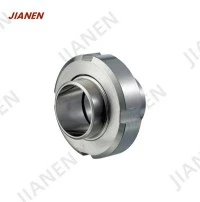


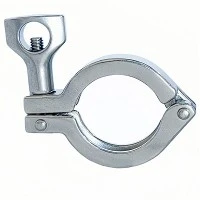
As a supplier of Bevel Seat Ferrules, I understand the critical importance of ensuring the long - term stability of these connections. Bevel seat ferrule connections are widely used in various industries, including the pharmaceutical, food and beverage, and chemical sectors, where reliability and durability are of utmost importance. In this blog, I will share some key strategies and best practices to guarantee the long - term stability of bevel seat ferrule connections.
Understanding the Basics of Bevel Seat Ferrule Connections
Before delving into the ways to ensure long - term stability, it is essential to understand how bevel seat ferrule connections work. A bevel seat ferrule is a component that creates a seal between two pipes or fittings. When tightened, the ferrule deforms and creates a tight seal against the beveled seat of the fitting. This seal prevents leakage and ensures the integrity of the pipeline system.
The materials used in bevel seat ferrules play a significant role in their performance. Common materials include stainless steel, which offers excellent corrosion resistance, strength, and durability. Other materials such as brass or plastic may be used depending on the specific application requirements.
Proper Installation
One of the most crucial factors in ensuring the long - term stability of a bevel seat ferrule connection is proper installation. Here are some key points to keep in mind during the installation process:
Surface Preparation
The surfaces of the pipes and fittings must be clean and free from any debris, dirt, or corrosion. Even a small particle can prevent the ferrule from making a proper seal, leading to leakage. Use a suitable cleaning agent and a clean cloth to thoroughly clean the surfaces before installation.
Correct Torque Application
Applying the correct torque is essential for a proper seal. Over - tightening can cause the ferrule to deform excessively, leading to damage and potential leakage in the long run. Under - tightening, on the other hand, will result in an inadequate seal. Refer to the manufacturer's specifications for the recommended torque values. Use a calibrated torque wrench to ensure accurate torque application.
Alignment
Proper alignment of the pipes and fittings is also crucial. Misaligned components can cause uneven stress on the ferrule, leading to premature failure. Make sure that the pipes are straight and that the fittings are properly aligned before tightening the ferrule.
Material Selection
As mentioned earlier, the material of the bevel seat ferrule is a critical factor in its long - term stability. When selecting a material, consider the following:
Corrosion Resistance
In many applications, the pipes and fittings are exposed to corrosive substances. Stainless steel is a popular choice due to its excellent corrosion resistance. It can withstand a wide range of chemicals and environmental conditions, making it suitable for use in industries such as food and beverage, pharmaceuticals, and chemical processing. For example, in a ss union coupling, stainless steel ferrules can ensure a long - lasting and leak - free connection.
Strength and Durability
The ferrule must be strong enough to withstand the pressure and stress within the pipeline system. High - quality materials with good mechanical properties are essential. Stainless steel offers high strength and can resist deformation under pressure, ensuring a stable connection over time.
Compatibility
The material of the ferrule must be compatible with the pipes and fittings it is connecting. Incompatible materials can cause galvanic corrosion, which can weaken the connection and lead to failure. Ensure that all components in the system are made of compatible materials.
Regular Inspection and Maintenance
Even with proper installation and material selection, regular inspection and maintenance are necessary to ensure the long - term stability of bevel seat ferrule connections. Here are some inspection and maintenance practices:
Visual Inspection
Regularly inspect the ferrule connections for any signs of leakage, corrosion, or damage. Look for any visible cracks, deformations, or discoloration on the ferrule or the surrounding components. Early detection of problems can prevent more significant issues from developing.
Pressure Testing
Periodically perform pressure tests on the pipeline system to check the integrity of the bevel seat ferrule connections. This can help identify any potential leaks or weak points in the system. Make sure to follow the appropriate safety procedures when conducting pressure tests.


Replacement of Worn - Out Components
If any components, such as the ferrule or the fitting, show signs of excessive wear or damage, replace them immediately. Using worn - out components can compromise the stability of the connection and lead to leakage or failure.
Complementary Fittings
In addition to bevel seat ferrules, other complementary fittings can also contribute to the long - term stability of the overall pipeline system. For example, reducer stainless can be used to connect pipes of different sizes, ensuring a smooth flow within the system. A Sanitary Hose Adaptor can provide a secure connection between a hose and a pipe, preventing leakage and maintaining the integrity of the system.
Training and Education
Proper training and education of the personnel involved in the installation, inspection, and maintenance of bevel seat ferrule connections are essential. Ensure that all workers are familiar with the correct installation procedures, material selection, and maintenance practices. This can help prevent errors and ensure the long - term stability of the connections.
Conclusion
Ensuring the long - term stability of a bevel seat ferrule connection requires a combination of proper installation, material selection, regular inspection and maintenance, and the use of complementary fittings. By following these best practices, you can minimize the risk of leakage, corrosion, and other issues, ensuring the reliability and durability of your pipeline system.
If you are interested in purchasing high - quality bevel seat ferrules or need more information about our products, please feel free to contact us for a procurement discussion. We are committed to providing you with the best solutions for your pipeline connection needs.
References
- Pipe Fitting Handbook: A comprehensive guide to pipe fittings, including bevel seat ferrules.
- Industry Standards and Guidelines for Pipeline Systems: Various industry standards and guidelines that provide recommendations for the installation, maintenance, and safety of pipeline systems.