


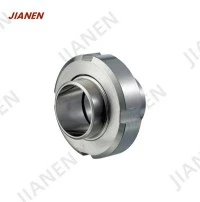


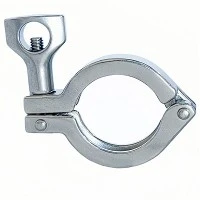
Hey there! As a supplier of Sanitary Clamped Seals, I've seen firsthand how crucial it is to maintain these seals properly. A well - maintained sanitary clamped seal not only ensures the integrity of your piping system but also plays a huge role in maintaining hygiene standards, especially in industries like food and beverage, pharmaceuticals, and cosmetics. So, let's dive into how you can keep your sanitary clamped seals in top - notch condition.
Regular Inspection
The first step in maintaining a sanitary clamped seal is regular inspection. You should check your seals frequently, and the frequency depends on how often your system is used. For high - usage systems, a weekly or even daily inspection might be necessary.
When you're inspecting, look out for signs of wear and tear. Check for any cracks, cuts, or abrasions on the seal. These can be caused by normal usage, chemical exposure, or improper installation. If you spot any damage, it's important to replace the seal right away. A damaged seal can lead to leaks, which can contaminate your product and cause serious issues in your production process.
Also, make sure the clamp is tight. A loose clamp can cause the seal to shift or not seal properly. You can use a torque wrench to ensure that the clamp is tightened to the manufacturer's recommended specifications. This will help prevent leaks and ensure that the seal is doing its job effectively.
Cleaning Procedures
Proper cleaning is essential for maintaining a sanitary clamped seal. You need to use the right cleaning agents and methods to avoid damaging the seal.
First, start by removing any visible debris or product residue from the seal. You can use a soft brush or a cloth to gently wipe away the dirt. Avoid using abrasive materials, as they can scratch the seal and reduce its effectiveness.
Next, choose a cleaning agent that is compatible with the seal material. For most sanitary clamped seals, a mild detergent or a specialized cleaning solution for food - grade applications is a good choice. Make sure to follow the manufacturer's instructions when using the cleaning agent.
After applying the cleaning agent, rinse the seal thoroughly with clean water. Any leftover cleaning agent can react with the product in your system and cause contamination. It's important to ensure that the water is clean and free from any contaminants as well.
Storage
If you have spare sanitary clamped seals, proper storage is key to maintaining their quality. Store the seals in a cool, dry place away from direct sunlight and heat sources. High temperatures can cause the seal material to expand and contract, which can lead to premature wear and damage.
Keep the seals in their original packaging or in a sealed container to protect them from dust, dirt, and moisture. Also, make sure to label the storage containers with the seal type, size, and any other relevant information. This will make it easier for you to find the right seal when you need it.
Compatibility
When it comes to maintaining a sanitary clamped seal, compatibility is crucial. You need to ensure that the seal material is compatible with the product flowing through your system, as well as the cleaning agents and disinfectants you use.
For example, if you're working with a corrosive chemical, you'll need a seal material that can resist corrosion. Similarly, if you're using a strong disinfectant, make sure the seal can withstand the chemical without degrading.
If you're unsure about the compatibility, consult the seal manufacturer or a technical expert. They can provide you with the information you need to choose the right seal for your application.
Replacement Schedule
Even with proper maintenance, sanitary clamped seals have a limited lifespan. It's important to have a replacement schedule in place to ensure that you replace the seals before they fail.
The replacement schedule depends on several factors, such as the frequency of use, the type of product flowing through the system, and the environmental conditions. In general, it's a good idea to replace the seals at least once a year for high - usage systems. For low - usage systems, you might be able to extend the replacement interval, but still, it's important to monitor the seals regularly.
Working with Related Fittings
Sanitary clamped seals often work in conjunction with other fittings like stainless pipe elbows, weld elbows, and stainless elbows. When maintaining the seals, it's also important to keep these fittings in good condition.
Inspect the elbows for any signs of corrosion, damage, or blockages. Make sure they are clean and free from any debris. The same cleaning and maintenance procedures that apply to the seals can also be used for these fittings. However, be careful when cleaning the elbows, as they may have more complex shapes and internal passages.
Training Your Staff
Finally, it's important to train your staff on how to maintain a sanitary clamped seal. They should know the proper inspection, cleaning, and replacement procedures. Provide them with clear instructions and guidelines, and make sure they understand the importance of maintaining the seals for the overall quality and safety of your production process.
Regular training sessions can help keep your staff up - to - date on the latest best practices and ensure that they are following the correct procedures. Encourage them to report any issues or concerns they notice with the seals or the fittings.
In conclusion, maintaining a sanitary clamped seal is a multi - step process that requires attention to detail and regular upkeep. By following these tips, you can ensure that your seals are in good condition, prevent leaks and contamination, and keep your production process running smoothly.
If you're in the market for high - quality sanitary clamped seals or have any questions about their maintenance, feel free to reach out. We're here to help you find the right solutions for your needs and ensure that your system operates at its best.


References
- Manufacturer's manuals for sanitary clamped seals
- Industry standards for food - grade and pharmaceutical applications
- Technical literature on seal materials and compatibility