


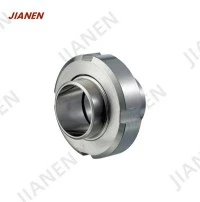


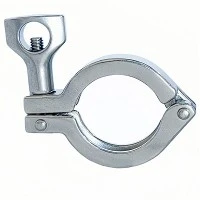
Hey there! As a supplier of Stainless Steel Pipe Fittings, I've seen firsthand how crucial it is to maintain these components properly. Stainless steel pipe fittings are used in a wide range of industries, from plumbing to food processing, and their longevity and performance depend on regular maintenance. In this blog post, I'll share some tips on how to maintain stainless steel pipe fittings to keep them in top shape.
Understanding Stainless Steel
Before we dive into maintenance tips, let's take a quick look at what makes stainless steel so special. Stainless steel is an alloy made primarily of iron, with at least 10.5% chromium. The chromium forms a thin, invisible layer of chromium oxide on the surface of the steel, which protects it from corrosion and rust. This layer is self-healing, meaning that if it gets scratched or damaged, it will reform as long as there is enough oxygen present.
Regular Cleaning
One of the most important aspects of maintaining stainless steel pipe fittings is regular cleaning. Over time, dirt, grime, and other contaminants can build up on the surface of the fittings, which can lead to corrosion and other problems. To clean stainless steel pipe fittings, you can use a mild detergent and warm water. Avoid using abrasive cleaners or scrubbers, as these can scratch the surface of the steel and damage the protective chromium oxide layer.
Here's a simple cleaning routine you can follow:
- Mix a small amount of mild detergent with warm water in a bucket.
- Dip a soft cloth or sponge into the soapy water and wring it out.
- Gently wipe the surface of the pipe fittings with the cloth or sponge, paying special attention to any areas that are particularly dirty or greasy.
- Rinse the fittings thoroughly with clean water to remove any soap residue.
- Dry the fittings with a clean, soft cloth to prevent water spots from forming.
Avoiding Harsh Chemicals
In addition to avoiding abrasive cleaners, you should also avoid using harsh chemicals on stainless steel pipe fittings. Chemicals such as bleach, ammonia, and hydrochloric acid can damage the protective chromium oxide layer and cause the steel to corrode. If you need to use a chemical cleaner, make sure it is specifically designed for use on stainless steel and follow the manufacturer's instructions carefully.
Preventing Scratches
Scratches can also damage the protective chromium oxide layer on stainless steel pipe fittings, making them more susceptible to corrosion. To prevent scratches, you should handle the fittings with care and avoid using sharp or abrasive tools around them. If you need to cut or drill the fittings, make sure you use the appropriate tools and techniques to minimize the risk of scratching.
Protecting Against Corrosion
Even with regular cleaning and maintenance, stainless steel pipe fittings can still be susceptible to corrosion in certain environments. To protect against corrosion, you can apply a protective coating to the fittings. There are several types of coatings available, including epoxy, polyurethane, and zinc-rich coatings. The type of coating you choose will depend on the specific application and the environment in which the fittings will be used.
Inspecting Regularly
Regular inspections are also an important part of maintaining stainless steel pipe fittings. By inspecting the fittings regularly, you can identify any signs of damage or corrosion early on and take appropriate action to prevent further problems. During an inspection, you should look for signs of rust, corrosion, scratches, and other damage. You should also check the fittings for any signs of leaks or other problems.
Storing Properly
When not in use, it's important to store stainless steel pipe fittings properly to prevent damage and corrosion. You should store the fittings in a dry, clean environment, away from direct sunlight and moisture. If possible, you should also store the fittings in a protective container or rack to prevent them from getting scratched or damaged.
Using the Right Accessories
Using the right accessories can also help to maintain stainless steel pipe fittings. For example, using Stainless Steel Tube Holder can help to keep the pipes in place and prevent them from moving or vibrating, which can cause damage to the fittings. Similarly, using Sanitary 14RMP Clamped Ferrule and Sanitary 15A Bevel Seat Ferrule can help to ensure a tight, leak-free connection between the pipes and the fittings.
Conclusion
Maintaining stainless steel pipe fittings is essential for ensuring their longevity and performance. By following these tips, you can keep your stainless steel pipe fittings in top shape and prevent them from corroding, rusting, or getting damaged. If you have any questions or need more information about maintaining stainless steel pipe fittings, please don't hesitate to contact us. We're here to help you find the right solutions for your needs.
Whether you're in the plumbing, food processing, or any other industry that uses stainless steel pipe fittings, proper maintenance is key. So, take the time to care for your fittings, and they'll serve you well for years to come. If you're looking to purchase high-quality stainless steel pipe fittings or need advice on the best products for your project, feel free to reach out. We're ready to assist you with all your stainless steel pipe fitting needs and help you make the right choices for your applications.


References
- ASM International. (2000). Stainless Steels. ASM Handbook, Volume 13A: Corrosion.
- NACE International. (2016). Corrosion Basics: An Introduction.