


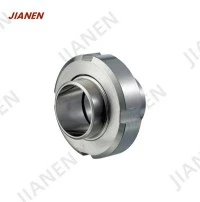


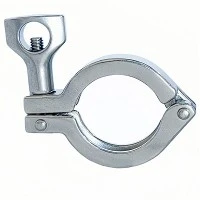
As a supplier of sanitary hose adaptors, I often get questions from customers about how to measure the size of these crucial components. Getting the right measurement is super important because it ensures a proper fit and reliable performance in your specific application. In this blog post, I'm going to walk you through the steps to measure a sanitary hose adaptor correctly.
Why Correct Measurement Matters
First off, let's talk about why it's such a big deal to measure accurately. A poorly sized adaptor can lead to all sorts of problems like leaks, pressure drops, and even system failures. These issues can be costly to fix and can cause significant downtime in your operations. So, taking the time to measure correctly from the start can save you a lot of headaches and money in the long run.


Tools You'll Need
Before you start measuring, gather the following tools:
- A caliper: This is the most accurate tool for measuring the diameters of the adaptor. You can get a digital or a Vernier caliper, depending on your preference and budget.
- A ruler or a tape measure: These are useful for measuring the overall length of the adaptor.
- A thread gauge: If your adaptor has threads, a thread gauge will help you determine the thread size and pitch accurately.
Measuring the Outer Diameter (OD)
The outer diameter is one of the most critical measurements. Here's how you do it:
- Open the jaws of your caliper wide enough to fit around the adaptor.
- Carefully place the caliper around the outside of the adaptor at the point where it will connect to the hose or other fitting. Make sure the caliper is perpendicular to the axis of the adaptor for an accurate measurement.
- Tighten the caliper jaws gently until they just touch the outer surface of the adaptor.
- Read the measurement on the caliper's display or scale. Make sure to record the measurement in the appropriate units, usually inches or millimeters.
Measuring the Inner Diameter (ID)
If you need to know the inner diameter of the adaptor, follow these steps:
- Insert the smaller jaws of the caliper into the inside of the adaptor.
- Open the jaws until they just touch the inner surface of the adaptor. Again, make sure the caliper is perpendicular to the axis of the adaptor.
- Read and record the measurement. The inner diameter is important because it affects the flow rate and compatibility with other components.
Measuring the Length
To measure the overall length of the adaptor, use a ruler or a tape measure:
- Place the ruler or tape measure along the axis of the adaptor, starting from one end and extending to the other.
- Make sure the measuring tool is straight and in contact with the adaptor for an accurate measurement.
- Read the measurement at the point where the other end of the adaptor meets the ruler or tape measure.
Measuring the Threads
If your adaptor has threads, you'll need to measure the thread size and pitch:
- Use a thread gauge to determine the thread size. Place the gauge on the threads and find the section that matches the shape and size of the threads exactly.
- To measure the pitch, count the number of threads per inch or millimeter, depending on the thread system. You can use a pitch gauge or a caliper to make this measurement more accurately.
Compatibility with Other Components
Once you have all the measurements, it's important to check the compatibility of the adaptor with other components in your system. Sanitary hose adaptors need to fit properly with hoses, pipes, and other fittings. You can refer to pipe connectors steel and 1 2 stainless steel elbow for more information on compatible components.
Different Types of Sanitary Hose Adaptors
There are several types of sanitary hose adaptors, each with its own unique measurement requirements. For example, a Stainless Steel Hose Barbx Clamp Stem has a barbed end that needs to be measured differently from a threaded adaptor. Make sure you understand the specific measurement points for the type of adaptor you have.
Tolerances
It's important to note that there are manufacturing tolerances for sanitary hose adaptors. These tolerances specify the acceptable range of variation in the measurements. Always check the manufacturer's specifications to ensure that your measurements fall within the acceptable tolerance range.
Tips for Accurate Measurement
- Take multiple measurements at different points along the adaptor to ensure consistency.
- Make sure the adaptor is clean and free of debris before measuring, as this can affect the accuracy of the measurements.
- If you're unsure about any measurement, don't hesitate to contact us for assistance.
Conclusion
Measuring the size of a sanitary hose adaptor correctly is essential for a successful installation and reliable performance. By following the steps outlined in this blog post and using the right tools, you can ensure that you get the right-sized adaptor for your needs.
If you're in the market for high-quality sanitary hose adaptors, we're here to help. We offer a wide range of adaptors in different sizes and materials to meet your specific requirements. Whether you're working in the food and beverage industry, pharmaceuticals, or any other sector that requires sanitary connections, we've got you covered. Contact us today to discuss your needs and get a quote. We look forward to working with you!
References
- ASME BPE Standard: Sanitary Tubing and Fittings.
- ISO Standards for Sanitary Components.