


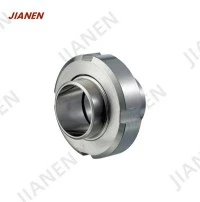


Hey there! As a supplier of Stainless Steel Weld Unions, I've seen my fair share of issues when it comes to leaks. It's a common headache for many folks working with these weld unions, but don't worry – I'm here to share some tips on how to prevent those pesky leaks.
First off, let's talk about preparation. Before you even start welding, make sure the surfaces of the stainless - steel pieces you're joining are clean. Any dirt, grease, or oxidation can mess up the welding process and lead to weak joints that are prone to leaking. You can use a stainless - steel wire brush to clean the surfaces. It'll get rid of any loose debris and give you a nice, clean area to work on.
Another important thing is fit - up. The two pieces of stainless steel that you're welding together should fit as snugly as possible. Even a small gap can cause problems during the welding process. You might end up with a weld that doesn't penetrate fully, leaving a void that can later turn into a leak. So, take your time to align the pieces properly. If necessary, use clamps to hold them in place while you weld.
Now, let's get into the welding itself. The type of welding process you choose matters a lot. For stainless - steel weld unions, TIG (Tungsten Inert Gas) welding is often a great choice. It gives you a lot of control over the weld pool and can produce high - quality, leak - free joints. MIG (Metal Inert Gas) welding can also work, but it might require a bit more skill to get a perfect, leak - free result.
When you're welding, pay attention to the welding parameters. The amperage, voltage, and travel speed all play a role in creating a good weld. If the amperage is too low, the weld might not penetrate deeply enough. On the other hand, if it's too high, you could burn through the metal. You'll need to find the right balance for the thickness of the stainless - steel pieces you're working with.
It's also a good idea to use the right filler material. Make sure the filler metal you choose is compatible with the stainless - steel grade of your weld union. Using the wrong filler can lead to a weak joint that's more likely to leak. You can consult the manufacturer's recommendations or an expert in the field to figure out the best filler material for your specific application.
After the welding is done, post - weld treatment is crucial. One common issue with stainless - steel welds is corrosion, which can eventually lead to leaks. You can perform a passivation process to remove any iron particles from the surface of the weld and create a protective oxide layer. This helps prevent corrosion and keeps your weld union in good shape.
Inspection is another key step. Once the weld is completed and cooled, you should inspect it thoroughly. Look for any visible cracks, porosity, or unevenness in the weld bead. You can use a magnifying glass or a non - destructive testing method like ultrasonic testing or dye penetrant testing to detect any hidden defects. Catching these issues early can save you a lot of trouble down the road.
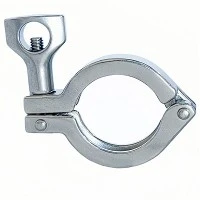
Now, let's talk about some related products that can help in preventing leaks. A pipe coupling stainless steel can be a great addition to your setup. It can provide an extra layer of security and help seal the connection between pipes. The 14MPHR Rubber Hose Clamp Adaptor is also useful for making sure that hoses are properly attached and sealed, reducing the risk of leaks at those connections. And if you're working in a sanitary environment, sanitary pipes and fittings are designed to meet high - standards of cleanliness and can help prevent leaks while maintaining a hygienic system.
Proper installation of these additional components is just as important as the welding itself. Make sure to follow the manufacturer's instructions when installing pipe couplings, hose clamps, and other fittings. Incorrect installation can lead to misalignment or improper sealing, which can result in leaks.


Training is also an important aspect. If you're part of a team that works with stainless - steel weld unions, make sure everyone has the necessary skills and knowledge. A well - trained welder is more likely to produce high - quality, leak - free welds. You can provide on - the - job training or send your team members to professional welding courses.
In addition to all these technical aspects, maintenance is key to preventing leaks in the long run. Regularly check your stainless - steel weld unions for signs of wear, corrosion, or damage. If you notice any issues, address them right away. Small problems can quickly turn into big leaks if left unattended.
As a supplier of Stainless Steel Weld Unions, I understand the importance of providing high - quality products and reliable advice. If you're facing any issues with leaks or need help choosing the right products for your project, don't hesitate to reach out. I'm here to assist you in finding the best solutions to keep your systems leak - free. Whether you're a small business owner or part of a large industrial operation, we can work together to ensure that your stainless - steel weld unions perform at their best.
If you're interested in purchasing our Stainless Steel Weld Unions or any of the related products I mentioned, or if you just want to have a chat about preventing leaks in your specific application, feel free to start a conversation. We're always happy to engage in discussions about how to improve the performance and reliability of your systems.
References
- Welding Handbook, American Welding Society
- Stainless Steel Handbook, ASM International
- Technical guides from major stainless - steel manufacturers