


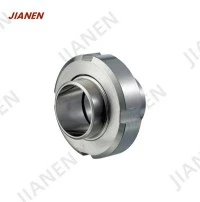


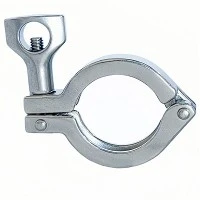
Hey there! If you're into the plumbing or industrial supply scene, you're probably familiar with bevel seat ferrules. These little components play a big role in making sure your piping systems work smoothly. As a bevel seat ferrule supplier, I've seen all sorts of situations where people need to replace these ferrules. So, let me walk you through the process step by step.
Why You Might Need to Replace a Bevel Seat Ferrule
First off, why would you even need to replace a bevel seat ferrule? Well, there are a few reasons. Over time, wear and tear can take a toll on these ferrules. They might start to leak, which is a huge problem in any piping system. Leaks can waste resources, cause damage to surrounding equipment, and even pose safety risks in some cases. Another reason could be a change in the system requirements. Maybe you're upgrading your equipment, and the existing ferrule isn't compatible with the new parts. Or, if there's been some kind of contamination or corrosion, it's a good idea to replace the ferrule to ensure the integrity of the system.
Tools You'll Need
Before you jump into replacing the bevel seat ferrule, you'll need to gather a few tools. You'll need a wrench, of course, to loosen and tighten the connections. A pipe cutter might come in handy if you need to make any adjustments to the pipes. A deburring tool is essential to clean up the edges of the pipes after cutting. You'll also want a good quality sealant, depending on the type of system you're working with. Having a pair of safety goggles and gloves is a no - brainer to protect yourself from any sharp edges or debris.


Step 1: Shut Off the System
This is a crucial first step. You need to shut off the flow of whatever substance is running through the pipe. If it's water, turn off the main water valve. If it's a gas or chemical, follow the proper shut - off procedures for your system. This will prevent any accidents and make the replacement process much safer.
Step 2: Drain the Pipes
Once the system is turned off, you'll need to drain the pipes. This might involve opening a drain valve or tilting the pipes to let the fluid out. Make sure you have a container to catch the drained substance, especially if it's something hazardous.
Step 3: Remove the Old Ferrule
Now it's time to get to work on removing the old ferrule. Use your wrench to loosen the nuts or fittings that are holding the ferrule in place. Be careful not to damage the pipes while you're doing this. Once the nuts are loose, gently pull the ferrule out. You might need to wiggle it a bit if it's stuck.
Step 4: Inspect the Pipes
After removing the ferrule, take a close look at the pipes. Check for any signs of damage, such as scratches, dents, or corrosion. If you notice any issues, you'll need to repair or replace the pipes before installing the new ferrule. Use your deburring tool to clean up the edges of the pipes to ensure a proper seal with the new ferrule.
Step 5: Choose the Right Replacement Ferrule
As a bevel seat ferrule supplier, I can't stress enough the importance of choosing the right replacement. You need to make sure the new ferrule has the correct size, material, and configuration for your system. Consider factors like the pressure, temperature, and the type of fluid or gas that will be flowing through the pipes. You can always reach out to us for advice on which ferrule is the best fit for your needs.
Step 6: Install the New Ferrule
Once you've got the right ferrule, it's time to install it. First, apply a small amount of the sealant to the beveled surface of the ferrule. Then, carefully place the ferrule into position between the pipes or fittings. Use your wrench to tighten the nuts or fittings, but don't over - tighten. Over - tightening can cause the ferrule to deform and lead to leaks.
Step 7: Test the System
After installing the new ferrule, it's time to test the system. Turn the system back on and check for any leaks. If you see any signs of leakage, you may need to tighten the fittings a little more or check for any other issues. If everything looks good, you're all set!
Related Products
While we're on the topic of pipe fittings, you might also be interested in some of our other products. Check out our Stainless Steel Sight Glass for easy monitoring of your piping systems. We also offer Sanitary Hose Adaptor and Male NPT Clamp Adapter, which are great for connecting different parts of your system.
Contact Us for Procurement
If you're in the market for bevel seat ferrules or any of our other products, don't hesitate to reach out. We're here to help you find the best solutions for your piping needs. Whether you have questions about product selection, installation, or just want to get a quote, we're just a message away. Our team of experts is always ready to assist you in making the right choices for your projects.
References
- Piping Handbook by Muhammad F. Al - Hadhrami.
- Industrial Piping Design Handbook by Thiru A. Kandavel.
- Plumbing Engineering: Design and Practice by Roy M. Burger.