




In the realm of industrial operations, filter equipment plays a pivotal role in ensuring the quality and purity of various processes. As a long - standing filter equipment supplier, I've encountered numerous inquiries from clients regarding the possibility of upgrading their existing filter systems. This blog post aims to delve into this topic comprehensively, exploring the feasibility, benefits, and considerations associated with upgrading filter equipment.
Feasibility of Upgrading Existing Filter Equipment
The first question that often comes to mind is whether it's actually possible to upgrade existing filter equipment. The answer is a resounding yes, in many cases. Modern filter technology has advanced significantly over the years, and many older systems can be retrofitted with newer components to enhance their performance.


Compatibility of Components
One of the primary factors determining the feasibility of an upgrade is the compatibility of new components with the existing equipment. Most filter systems are designed with a certain level of modularity, which allows for the replacement or addition of specific parts. For example, if the filter media in an old system has become outdated, it can often be replaced with a more efficient and advanced filter media that offers better filtration efficiency and longer service life.
Similarly, control systems can be upgraded to improve the automation and monitoring capabilities of the filter equipment. Newer control systems can provide real - time data on filter performance, such as pressure differentials, flow rates, and contaminant levels. This data can be used to optimize the operation of the filter and schedule maintenance more effectively.
Structural Modifications
In some cases, minor structural modifications may be required to accommodate new components. For instance, if you want to install a larger filter housing to increase the filtration capacity, some adjustments to the mounting and piping may be necessary. However, these modifications are usually within the realm of possibility for most industrial facilities, especially when working with an experienced filter equipment supplier.
Benefits of Upgrading Filter Equipment
Improved Filtration Efficiency
One of the most significant benefits of upgrading filter equipment is the improvement in filtration efficiency. Newer filter media are designed to capture smaller particles and contaminants more effectively, resulting in a higher quality of the filtered product. This is particularly important in industries such as pharmaceuticals, food and beverage, and electronics, where even the smallest impurities can have a significant impact on product quality.
Extended Service Life
Upgraded filter equipment often has a longer service life. Newer components are more durable and resistant to wear and tear, reducing the frequency of maintenance and replacement. This not only saves on the cost of replacement parts but also minimizes downtime associated with filter maintenance, leading to increased productivity.
Energy Savings
Many modern filter systems are designed to be more energy - efficient. Upgrading to a more energy - efficient filter can result in significant cost savings over time. For example, new filter designs may have lower pressure drops, which means less energy is required to pump the fluid through the filter. Additionally, advanced control systems can optimize the operation of the filter to reduce energy consumption during periods of low demand.
Compliance with Regulations
As environmental and industry regulations become more stringent, upgrading filter equipment can help ensure compliance. Newer filter systems are often designed to meet the latest regulatory requirements, such as emissions standards and waste management regulations. By upgrading your filter equipment, you can avoid potential fines and legal issues associated with non - compliance.
Considerations Before Upgrading
Cost - Benefit Analysis
Before proceeding with an upgrade, it's essential to conduct a cost - benefit analysis. This involves comparing the cost of the upgrade, including the cost of new components, installation, and any necessary structural modifications, with the expected benefits, such as improved filtration efficiency, extended service life, and energy savings. In some cases, the cost of upgrading may be too high compared to the potential benefits, especially for older or less critical filter equipment.
Compatibility with Existing Processes
It's also important to consider how the upgraded filter equipment will integrate with the existing industrial processes. The new equipment should be able to operate seamlessly with other components in the system, such as pumps, valves, and piping. For example, if the upgraded filter has a different flow rate or pressure rating, it may require adjustments to the existing piping system to ensure proper operation.
Training and Support
Upgrading filter equipment may require additional training for the operators and maintenance staff. New components and control systems may have different operating procedures and maintenance requirements. As a filter equipment supplier, we offer comprehensive training and support services to ensure that our clients' staff are fully trained to operate and maintain the upgraded equipment.
Examples of Upgradeable Components
Filter Media
As mentioned earlier, filter media is one of the most commonly upgraded components. Newer filter media, such as Stainless Steel Tube Holder, offer better filtration performance and longer service life. They can be easily installed in existing filter housings, making them a cost - effective upgrade option.
Valves and Seals
Valves and seals are critical components of filter equipment. Upgrading to high - quality valves and seals, such as the Sanitary Butterfly Valve Seal Ring, can improve the reliability and performance of the filter system. These components are designed to withstand high pressures and temperatures and are resistant to corrosion and chemical attack.
Clamps and Fittings
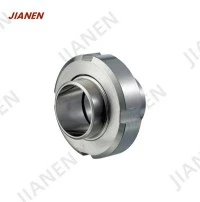
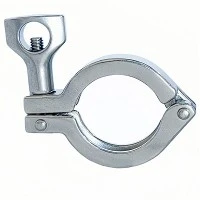
Pipe clamps and fittings are also important for the proper functioning of filter equipment. Upgrading to pipe clamp stainless can provide better stability and leak - proof connections. Stainless steel clamps are more durable and resistant to rust and corrosion, ensuring a longer service life for the filter system.
Conclusion
In conclusion, upgrading existing filter equipment is not only possible but also offers numerous benefits in terms of improved filtration efficiency, extended service life, energy savings, and compliance with regulations. However, it's important to carefully consider the cost - benefit analysis, compatibility with existing processes, and the need for training and support before proceeding with an upgrade.
As a trusted filter equipment supplier, we have the expertise and experience to help you assess the feasibility of upgrading your existing filter equipment and provide you with the best upgrade solutions tailored to your specific needs. If you're interested in exploring the possibility of upgrading your filter equipment, we encourage you to contact us for a detailed consultation. Our team of experts will be happy to assist you in making an informed decision and guiding you through the upgrade process.
References
- "Filtration Handbook" by Peter A. Schweitzer
- Industry reports on filter technology advancements from leading research firms.