


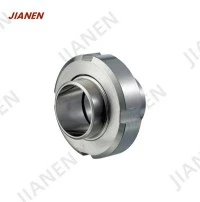


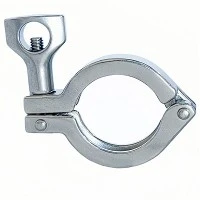
As a supplier of sanitary hose adaptors, I've witnessed firsthand the importance of high - quality products in the industry. Sanitary hose adaptors play a crucial role in various applications, from food and beverage processing to pharmaceutical manufacturing. However, low - quality sanitary hose adaptors can bring about a multitude of disadvantages that can have far - reaching consequences for businesses.


1. Leakage and Contamination Risks
One of the most obvious disadvantages of a low - quality sanitary hose adaptor is the increased risk of leakage. These adaptors are often made from substandard materials or with poor manufacturing processes, which can result in loose connections. Even a small leak can lead to significant problems. In industries such as food and beverage, a leak can contaminate the product, leading to product recalls and potential health risks for consumers. For example, if a low - quality adaptor is used in a milk processing line and starts to leak, bacteria can enter the milk, spoiling the product and posing a threat to public health.
In pharmaceutical manufacturing, any form of leakage can compromise the sterility of the product. A single drop of contaminated fluid can render an entire batch of medicine unusable, leading to substantial financial losses. Moreover, the regulatory requirements in these industries are extremely strict. Any incident of contamination can lead to heavy fines and damage to the company's reputation.
2. Reduced Flow Efficiency
Low - quality sanitary hose adaptors can also cause a reduction in flow efficiency. The internal surfaces of these adaptors may be rough or uneven, which creates resistance to the flow of fluids. This resistance can slow down the flow rate, increasing the processing time and energy consumption. In a large - scale manufacturing plant, even a small reduction in flow efficiency can translate into significant additional costs over time.
For instance, in a brewery, if the sanitary hose adaptors used in the beer transfer process have a rough interior, the beer may not flow smoothly. This can lead to longer transfer times, which in turn require more energy to pump the beer through the system. Additionally, the inconsistent flow can affect the quality of the final product, as the mixing and processing times may be disrupted.
3. Poor Durability
Another major drawback of low - quality sanitary hose adaptors is their poor durability. These adaptors are more likely to break or wear out quickly, especially in high - pressure or high - temperature environments. In industries where equipment is constantly in use, such as the chemical industry, the frequent replacement of adaptors can be a significant hassle and expense.
For example, in a chemical processing plant, the adaptors are exposed to harsh chemicals and high - pressure conditions. A low - quality adaptor may not be able to withstand these conditions for long, leading to frequent breakdowns. This not only disrupts the production process but also requires additional resources for maintenance and replacement. The cost of purchasing new adaptors and the labor cost of replacing them can add up quickly, putting a strain on the company's budget.
4. Compatibility Issues
Low - quality sanitary hose adaptors may also have compatibility issues with other components in the system. They may not fit properly with the hoses or other sanitary pipes and fittings, leading to further problems. In some cases, the adaptor may be too large or too small, causing leaks or a loose connection.
In addition, the materials used in low - quality adaptors may not be compatible with the fluids they are transporting. For example, if an adaptor is made from a material that is reactive to a certain chemical, it can corrode over time. This corrosion can not only damage the adaptor but also contaminate the fluid. In industries where the purity of the fluid is critical, such as the semiconductor industry, any form of contamination can lead to defective products.
5. Hygiene Concerns
Sanitary hose adaptors are used in applications where hygiene is of utmost importance. Low - quality adaptors may not be designed or manufactured to meet the strict hygiene standards required in these industries. They may have crevices or joints where bacteria and other microorganisms can accumulate.
In the food industry, these hidden areas can become breeding grounds for harmful bacteria, such as E. coli or Salmonella. Regular cleaning may not be sufficient to remove all the contaminants from these hard - to - reach areas. This can pose a serious threat to public health and can also lead to product recalls and legal issues for the food manufacturer.
6. Impact on System Performance
The use of low - quality sanitary hose adaptors can have a cascading effect on the overall performance of the system. As mentioned earlier, the reduced flow efficiency, poor durability, and compatibility issues can all contribute to a less - than - optimal system performance. In a complex industrial system, where multiple components work together, any malfunction in one part can affect the entire process.
For example, in a water treatment plant, if the sanitary hose adaptors used in the filtration system are of low quality, they can cause problems in the entire treatment process. The reduced flow can affect the filtration rate, and the potential leakage can contaminate the treated water. This can lead to a decrease in the quality of the water supply, which can have serious implications for the community served by the plant.
7. Higher Long - Term Costs
Although low - quality sanitary hose adaptors may seem like a cost - effective option in the short term, they actually end up costing more in the long run. The frequent replacement, maintenance, and the potential losses due to contamination and reduced efficiency all add up to a much higher overall cost.
In contrast, investing in high - quality sanitary hose adaptors may require a higher initial investment, but they offer better performance, durability, and reliability. Over time, the savings in terms of reduced maintenance, lower energy consumption, and fewer product losses can far outweigh the initial cost.
8. Safety Hazards
Low - quality sanitary hose adaptors can also pose safety hazards. In high - pressure systems, a faulty adaptor can burst, causing a sudden release of high - pressure fluids or gases. This can be extremely dangerous for the workers in the vicinity, potentially causing injuries or even fatalities.
For example, in an oil refinery, if a low - quality sanitary hose adaptor in a high - pressure pipeline fails, it can lead to a major explosion or fire. The safety of the workers is always the top priority in any industrial setting, and the use of low - quality components can put their lives at risk.
Why Choose Our Sanitary Hose Adaptors
At our company, we understand the importance of providing high - quality sanitary hose adaptors. Our adaptors are made from the finest materials, ensuring excellent durability and resistance to corrosion. We use advanced manufacturing techniques to ensure a smooth internal surface, which maximizes flow efficiency.
Our products are designed to be fully compatible with a wide range of sanitary pipes and fittings, stainless elbows, and stainless steel crimp pipe fittings. We also adhere to the strictest hygiene standards, ensuring that our adaptors are suitable for use in the most demanding industries.
If you are looking for reliable and high - quality sanitary hose adaptors, we invite you to contact us for a detailed discussion. Our team of experts can provide you with the best solutions tailored to your specific needs. We are committed to helping you avoid the disadvantages associated with low - quality products and ensuring the smooth operation of your systems.
References
- American Society of Mechanical Engineers (ASME). "BPE Standard for Sanitary Equipment."
- Food and Drug Administration (FDA). "Guidance for Industry: Quality Systems Approach to Pharmaceutical Current Good Manufacturing Practice Regulations."
- International Organization for Standardization (ISO). "ISO 20395:2018 - Hygiene of machinery for the food industry."