


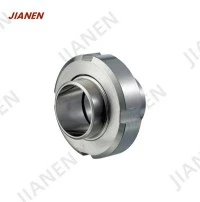


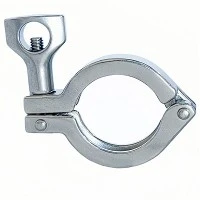
Hey there! As a supplier of Sanitary Clamped Seals, I often get asked about the difference between a regular seal and a sanitary clamped seal. So, I thought I'd write this blog to clear up any confusion and give you a better understanding of these two types of seals.
What's a Regular Seal?
First off, let's talk about regular seals. Regular seals are used in a whole bunch of industries for all sorts of applications. They're designed to prevent the leakage of fluids or gases between two components. You can find them in cars, machinery, plumbing systems, and many other places.
These seals come in different shapes and materials. Rubber is a common material for regular seals because it's flexible and can create a tight seal. There are also seals made of silicone, neoprene, and other materials, depending on the specific requirements of the application.
Regular seals are usually installed using simple methods like pressing them into place or using adhesives. They're great for general sealing purposes, but they might not be suitable for all situations.
What's a Sanitary Clamped Seal?
Now, let's dive into sanitary clamped seals. These seals are specifically designed for applications where hygiene and cleanliness are super important. You'll commonly find them in industries like food and beverage, pharmaceuticals, and biotechnology.
Sanitary clamped seals are made from high - quality materials that are resistant to corrosion, chemicals, and bacteria. Stainless steel is often used for the clamping parts, and the sealing material is typically made of food - grade rubber or other sanitary - approved materials.


One of the key features of sanitary clamped seals is the clamping mechanism. Instead of using adhesives or just being pressed in, they're held in place by clamps. This makes them easy to install and remove, which is crucial for cleaning and maintenance. The clamping also ensures a tight and reliable seal, preventing any contamination from getting in or out.
Key Differences
Hygiene
The biggest difference between regular seals and sanitary clamped seals is hygiene. In industries like food and pharma, any contamination can have serious consequences. Regular seals might not be made from materials that are safe for contact with food or drugs, and they can be difficult to clean thoroughly.
Sanitary clamped seals, on the other hand, are made from materials that meet strict sanitary standards. They're easy to disassemble, clean, and sterilize, which helps maintain a clean and safe environment.
Installation and Maintenance
Regular seals are generally easier to install in a quick and simple way, but they can be a pain to replace if they get damaged. Removing them might require special tools or chemicals, and there's a risk of damaging the surrounding components.
Sanitary clamped seals are designed for easy installation and maintenance. The clamping system allows for quick removal and replacement, which reduces downtime in production. You can simply loosen the clamps, take out the old seal, and put in a new one.
Durability and Resistance
Sanitary clamped seals are built to last in harsh environments. They're resistant to high temperatures, chemicals, and abrasion. Regular seals might not have the same level of durability, especially in applications where they're exposed to extreme conditions.
For example, in a food processing plant, the equipment might be cleaned with strong detergents and hot water. A regular seal might deteriorate over time, but a sanitary clamped seal can withstand these cleaning processes without losing its sealing properties.
Compatibility with Equipment
Sanitary clamped seals are designed to be compatible with sanitary pipes and fittings. They're engineered to fit precisely with these components, ensuring a proper seal. Regular seals might not have the same level of compatibility, which can lead to leaks or other issues.
Applications
Regular Seals
Regular seals are used in a wide range of applications. In the automotive industry, they're used in engines, transmissions, and cooling systems to prevent fluid leaks. In plumbing, they're used to seal joints in pipes to stop water from leaking.
They're also used in industrial machinery, such as pumps and compressors, to keep lubricants and gases from escaping. These seals are versatile and can be adapted to many different situations.
Sanitary Clamped Seals
Sanitary clamped seals are mainly used in industries where strict hygiene standards are required. In the food and beverage industry, they're used in equipment like milk pasteurizers, beer brewing systems, and juice filling machines.
In the pharmaceutical industry, they're used in drug manufacturing equipment, such as mixing tanks and filling lines. Biotechnology labs also rely on sanitary clamped seals for their equipment to ensure the purity of their samples and products.
Why Choose Our Sanitary Clamped Seals?
As a supplier of sanitary clamped seals, we take pride in offering high - quality products. Our seals are made from the best materials, ensuring long - lasting performance and compliance with all relevant sanitary standards.
We offer a wide range of sizes and designs to fit different sanitary pipes and fittings. Whether you need a seal for a 304 stainless steel elbow or a Stainless Steel 90degree Tube Bend, we've got you covered.
Our team of experts is always ready to help you choose the right seal for your specific application. We understand the importance of getting the seal right, and we're committed to providing excellent customer service.
Contact Us for Your Sanitary Clamped Seal Needs
If you're in the market for sanitary clamped seals, we'd love to hear from you. Whether you're starting a new project or need to replace existing seals, we can offer you the best solutions. Don't hesitate to reach out to us for more information, product samples, or to discuss your requirements. We're here to make sure you get the perfect sanitary clamped seals for your business.
References
- "Sealing Technology Handbook" by a leading expert in the field.
- Industry standards and guidelines for sanitary equipment in food, pharmaceutical, and biotech industries.