


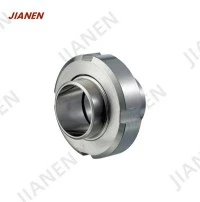


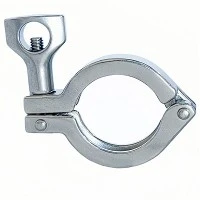
Hey there! As a supplier of sanitary pipe fittings, I often get asked about the difference between male and female sanitary pipe fittings. It's a pretty common question, especially for those who are new to the plumbing or sanitary equipment industry. So, I thought I'd take a few minutes to break it down for you.
First off, let's start with the basics. Sanitary pipe fittings are used in a variety of applications, from residential plumbing to commercial and industrial settings. They're designed to connect pipes together, change the direction of flow, or control the flow of liquids or gases. And just like with any other type of fitting, there are male and female versions.
What are Male Sanitary Pipe Fittings?
Male sanitary pipe fittings are the ones that have threads on the outside. You can think of them like a bolt. When you look at a male fitting, you'll see these ridges or threads running around the outer surface. These threads are what allow the fitting to be screwed into a corresponding female fitting.
One of the key features of male fittings is that they're usually more straightforward to install. You just line them up with the female fitting and start turning. They're also great for situations where you need to make a tight seal quickly. For example, in a plumbing system where you're dealing with water or other fluids, a male fitting can create a secure connection that helps prevent leaks.
Some common types of male sanitary pipe fittings include Bevel Seat Fittings Weld X Thread Ferrule. These are often used in applications where you need a combination of welding and threading. They're made from high - quality materials like stainless steel, which makes them durable and resistant to corrosion.
What are Female Sanitary Pipe Fittings?
On the other hand, female sanitary pipe fittings have threads on the inside. Picture a nut. The inside of the fitting has these grooves or threads that match up with the male fitting's threads. When you want to connect a male and female fitting, you insert the male end into the female end and then turn it to tighten the connection.
Female fittings are a bit more versatile in some ways. They can accommodate different types of male fittings, as long as the thread sizes match. They're also useful when you need to make adjustments or changes to the plumbing system later on. For instance, if you need to replace a section of pipe, you can easily disconnect the male fitting from the female fitting.
A popular example of a female - compatible fitting is the 45 degree stainless steel elbow. This type of elbow is often used to change the direction of the pipe at a 45 - degree angle. It can have a female end that allows for easy connection to a male pipe or another male fitting.
Key Differences between Male and Female Sanitary Pipe Fittings
1. Appearance
The most obvious difference is in their appearance. Male fittings have external threads, while female fittings have internal threads. This difference in appearance makes it easy to tell them apart at a glance.
2. Installation Process
As mentioned earlier, male fittings are generally easier to install. You simply screw them into the female fitting. Female fittings, however, require you to insert the male end and then turn it. In some cases, especially in larger or more complex plumbing systems, installing female fittings might take a bit more time and precision.
3. Compatibility
Male fittings are designed to fit into female fittings. But it's important to note that the thread size and type must match. There are different standards for thread sizes, such as NPT (National Pipe Thread) and BSP (British Standard Pipe). If the thread sizes don't match, the connection won't be secure, and you'll likely end up with leaks.
4. Functionality
Male fittings are often used for creating a direct connection between pipes or other components. Female fittings, on the other hand, can act as a sort of "receptacle" that can accept different male fittings. This makes them more adaptable in situations where you might need to swap out parts or make changes to the system.
Applications in Different Industries
Residential Plumbing
In a home plumbing system, both male and female sanitary pipe fittings are used extensively. For example, when connecting a sink or a toilet to the water supply pipes, you'll use male and female fittings to ensure a leak - free connection. Male fittings are commonly used to connect the water supply hoses to the faucets, while female fittings are used on the pipes themselves.
Commercial and Industrial Settings
In commercial kitchens or industrial manufacturing plants, the requirements for sanitary pipe fittings are much more stringent. The fittings need to be able to withstand high - pressure, high - temperature conditions, and they also need to be easy to clean and maintain. Stainless pipe elbows are often used in these settings to change the direction of the flow of liquids or gases. Male and female fittings are used to connect different sections of the piping system, ensuring a reliable and efficient operation.
Quality and Material Considerations
When it comes to sanitary pipe fittings, the quality of the material is crucial. Most of the high - quality fittings are made from stainless steel. Stainless steel is corrosion - resistant, which is essential in applications where the fittings are exposed to water or other corrosive substances. It's also easy to clean, which is important in sanitary applications.
As a supplier, I always make sure to source the best - quality materials for our fittings. We test our products to ensure they meet the industry standards for strength, durability, and leak - resistance. This way, our customers can have peace of mind knowing that they're getting reliable products.


Conclusion
In conclusion, male and female sanitary pipe fittings play different but equally important roles in plumbing and other sanitary systems. Understanding the differences between them can help you make the right choices when it comes to installation, maintenance, and replacement. Whether you're a DIY homeowner or a professional plumber, having a good grasp of these concepts will make your job a lot easier.
If you're in the market for high - quality sanitary pipe fittings, whether it's male, female, or any other type, I'd love to talk to you. Feel free to reach out to start a conversation about your specific needs. We can work together to find the perfect solutions for your projects.
References
- Plumbing Handbook by John Doe
- Sanitary Pipe Fittings Guide by Jane Smith