




Hey there! As a supplier of Sanitary Clamped Seals, I often get asked about the heat resistance of these nifty little components. So, let's dive right in and break it down.
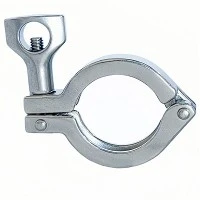
First off, what exactly are Sanitary Clamped Seals? Well, they're crucial parts in many industries, especially those that require high - level hygiene, like food and beverage, pharmaceuticals, and cosmetics. These seals are used to create a tight and leak - proof connection between different parts of a system, such as steel tube joints.
Now, when it comes to heat resistance, it's not a one - size - fits - all situation. The heat resistance of a Sanitary Clamped Seal depends on several factors, starting with the materials it's made from.
Material Matters
The most common materials for Sanitary Clamped Seals are elastomers like EPDM (Ethylene Propylene Diene Monomer), silicone, and Viton (Fluoroelastomer). Each of these materials has its own unique heat - resistant properties.
EPDM Seals
EPDM is a popular choice due to its excellent resistance to weather, ozone, and steam. In terms of heat, EPDM seals can generally withstand continuous operating temperatures ranging from - 40°F to 250°F (- 40°C to 121°C). However, in short - term applications, they can handle spikes up to around 300°F (149°C). This makes EPDM seals great for systems where the temperature doesn't get too extreme but where there might be exposure to moisture and steam, like in some food processing lines.
Silicone Seals
Silicone seals are known for their wide temperature range. They can operate continuously at temperatures between - 100°F to 450°F (- 73°C to 232°C). In fact, in some short - term scenarios, they can even tolerate temperatures up to 500°F (260°C). This makes silicone seals ideal for applications where the temperature can vary greatly, such as in certain pharmaceutical manufacturing processes where sterilization steps involve high - heat cycles.
Viton Seals
Viton is a heavy - hitter when it comes to heat resistance. These seals can handle continuous operating temperatures from - 20°F to 446°F (- 29°C to 230°C). And for short periods, they can endure temperatures up to 500°F (260°C). Viton's heat - resistant properties, combined with its excellent chemical resistance, make it a top choice for industries like oil and gas, where there are often high - temperature and chemically - aggressive environments.
Impact of Heat on Seal Performance
Exposure to high heat can have several effects on a Sanitary Clamped Seal. One of the most significant is thermal expansion. As the temperature rises, the seal material expands. If the system isn't designed to accommodate this expansion, it can lead to excessive stress on the seal, causing it to deform or even break. This, in turn, can result in leaks, which is a big no - no in sanitary applications.
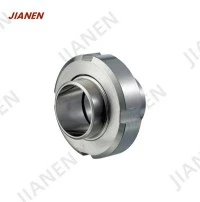
Another issue is the degradation of the seal material. Over time, high heat can cause the elastomer to break down chemically. This can lead to a loss of elasticity, making the seal less effective at creating a tight seal. For example, if a seal loses its elasticity, it might not be able to conform to the surface of the Stainless Steel Clamp Male Adaptor properly, allowing fluids or gases to escape.
Testing for Heat Resistance
At our company, we take heat resistance testing seriously. We use a variety of methods to ensure that our Sanitary Clamped Seals meet the required standards.


One common test is the oven aging test. In this test, we place the seals in an oven set at a specific temperature for a set period of time. After the test, we check the seals for any signs of degradation, such as changes in hardness, tensile strength, or elongation.
We also conduct thermal cycling tests. This involves subjecting the seals to repeated cycles of heating and cooling to simulate real - world operating conditions. By doing this, we can see how the seals perform over time and under changing temperatures.
Applications and Heat Requirements
Different industries have different heat requirements for their Sanitary Clamped Seals.
Food and Beverage Industry
In the food and beverage industry, heat resistance is important for processes like pasteurization and sterilization. Pasteurization typically involves heating the product to a specific temperature for a set time to kill harmful bacteria. Depending on the type of product, the temperature can range from 140°F to 280°F (60°C to 138°C). For these applications, EPDM or silicone seals are often used, as they can handle these temperature ranges without degrading and compromising the hygiene of the product.
Pharmaceutical Industry
The pharmaceutical industry has even stricter requirements. Sterilization processes can involve temperatures as high as 356°F (180°C) or more. Silicone or Viton seals are commonly used here because of their ability to withstand these extreme temperatures. For example, in autoclaves, which are used to sterilize equipment and products, silicone seals are often the go - to choice to ensure a tight seal during the high - heat sterilization process.
Cosmetics Industry
In the cosmetics industry, the temperature requirements are generally not as extreme as in the food and pharmaceutical industries. However, there are still processes like emulsification and filling where the temperature might rise. EPDM or silicone seals are typically sufficient for these applications, as they can handle the moderate temperature ranges involved.
Compatibility with Other Components
It's not just about the heat resistance of the seal itself. We also need to consider how the seal will interact with other components in the system, such as the Stainless Steel Hose Barbx Clamp Stem.
For example, if the metal components in the system expand or contract at a different rate than the seal due to temperature changes, it can put stress on the seal and lead to failure. That's why it's important to choose a seal material that has similar thermal expansion properties to the other components in the system.
Maintenance and Longevity
Proper maintenance can also extend the heat - resistant lifespan of Sanitary Clamped Seals. Regular inspections are crucial to check for signs of wear, damage, or degradation. If a seal shows any signs of deterioration, it should be replaced immediately to prevent leaks and ensure the continued operation of the system.
In addition, keeping the system clean and free of contaminants can also help the seals perform better. Contaminants can act as abrasives, wearing down the seal material over time and reducing its heat - resistant properties.
Conclusion
So, as you can see, the heat resistance of a Sanitary Clamped Seal is a complex topic that depends on many factors, including the materials, the application, and the operating conditions. By understanding these factors, you can choose the right seal for your specific needs.
If you're in the market for high - quality Sanitary Clamped Seals, don't hesitate to reach out. We're here to help you find the perfect seal for your application, taking into account all the heat - related requirements. Whether you're in the food, pharmaceutical, or cosmetics industry, we've got the expertise and the products to meet your needs. Contact us today to start a conversation about your seal requirements and how we can provide the best solutions for your business.
References
- "Elastomers for Sealing Applications" - Rubber Manufacturers Association
- "Handbook of Elastomers" - Second Edition, Edited by R. F. Ohm