


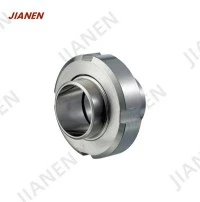


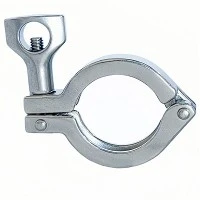
When it comes to the world of sanitary hose adaptors, one of the most frequently asked questions is about the inner diameter of a common sanitary hose adaptor. As a trusted supplier of sanitary hose adaptors, I understand the importance of this specification and how it impacts the functionality and compatibility of these essential components. In this blog post, I'll delve into the details of the inner diameter of common sanitary hose adaptors, explore its significance, and provide valuable insights for those in need of these products.
Understanding the Inner Diameter
The inner diameter (ID) of a sanitary hose adaptor refers to the measurement of the opening inside the adaptor. This dimension is crucial as it determines the flow rate of fluids through the hose and the compatibility with other components in the system. A proper match between the inner diameter of the adaptor and the hose or other equipment is essential to ensure efficient and leak - free operation.
Common sizes of the inner diameter of sanitary hose adaptors can vary depending on the application. In the food and beverage industry, for example, smaller inner diameters such as 1/2 inch or 3/4 inch may be used for transferring delicate liquids or in systems with limited flow requirements. On the other hand, larger inner diameters like 1.5 inches or 2 inches are often employed in industrial settings where higher flow rates are necessary, such as in large - scale production facilities.
Factors Affecting Inner Diameter Selection
Several factors influence the choice of the inner diameter of a sanitary hose adaptor. First and foremost is the flow rate. If a high volume of fluid needs to be transferred quickly, a larger inner diameter adaptor is required. For instance, in a dairy processing plant where milk is being transferred from a storage tank to a packaging line, a 1.5 - inch or 2 - inch inner diameter adaptor may be used to ensure a smooth and rapid flow.
The viscosity of the fluid also plays a significant role. Viscous fluids, like honey or syrup, require larger inner diameters to prevent clogging and ensure proper flow. In contrast, less viscous fluids such as water can flow through smaller inner diameter adaptors with relative ease.
Another factor is the pressure of the system. Higher - pressure systems may require adaptors with larger inner diameters to handle the force of the fluid without causing excessive pressure drops. This is particularly important in applications where precise pressure control is necessary, such as in pharmaceutical manufacturing.
Standard Inner Diameter Sizes
In the market, there are several standard inner diameter sizes for sanitary hose adaptors. One of the commonly used sizes is 1.5 inches. This size offers a good balance between flow rate and compatibility with a wide range of hoses and equipment. You can find a 1.5 Inch Clamp End X Hose Barb on our website, which is designed to meet the needs of various applications.
Other standard sizes include 1/2 inch, 3/4 inch, 1 inch, and 2 inches. These sizes are widely available and can be easily integrated into different sanitary systems. Whether you are setting up a small - scale laboratory or a large - scale industrial production line, there is a suitable inner diameter size for your specific requirements.
Material and Inner Diameter
The material of the sanitary hose adaptor can also have an impact on the inner diameter. Stainless steel is a popular choice for sanitary applications due to its corrosion resistance, durability, and ease of cleaning. When it comes to stainless steel adaptors, the inner diameter is precisely machined to ensure a smooth and consistent flow.
We offer a wide range of Ss Hose Fittings with different inner diameters. These fittings are made from high - quality stainless steel, which not only provides excellent performance but also meets the strict hygiene standards of the food, beverage, and pharmaceutical industries.
Inner Diameter and System Compatibility
Ensuring the compatibility of the inner diameter of the sanitary hose adaptor with the rest of the system is crucial. The adaptor must fit seamlessly with the hose, valves, and other components to prevent leaks and ensure proper operation. For example, if the inner diameter of the adaptor is too small compared to the hose, it can cause a restriction in flow and increase the risk of blockages.
In addition, the connection type of the adaptor, such as clamp end or hose barb, must also be considered in relation to the inner diameter. Different connection types may have specific requirements for the inner diameter to ensure a secure and leak - free connection.
Inner Diameter in Special Applications
In some special applications, non - standard inner diameters may be required. For example, in the medical field, where precise fluid delivery is essential, custom - sized sanitary hose adaptors may be needed. These adaptors are designed to meet the specific requirements of medical devices, such as infusion pumps or dialysis machines.
In the chemical industry, where corrosive or abrasive fluids are handled, the inner diameter may need to be carefully selected to ensure the long - term durability of the adaptor. Special coatings or materials may also be used in these applications to protect the inner surface of the adaptor from damage.
Importance of Accurate Inner Diameter Measurement
Accurate measurement of the inner diameter is essential for the proper functioning of the sanitary hose adaptor. Even a small deviation in the inner diameter can have a significant impact on the flow rate and the overall performance of the system. Therefore, it is important to use precise measuring tools and follow strict quality control procedures during the manufacturing process.
At our company, we use advanced measuring equipment to ensure that the inner diameter of our sanitary hose adaptors meets the specified standards. We also conduct rigorous testing to verify the performance of each adaptor before it is released to the market.
Our Product Range and Inner Diameter Options
As a leading supplier of sanitary hose adaptors, we offer a comprehensive range of products with different inner diameters to meet the diverse needs of our customers. Whether you need a small - sized adaptor for a laboratory application or a large - sized one for an industrial production line, we have the right solution for you.
In addition to the standard inner diameter sizes, we also provide custom - made adaptors to meet specific requirements. Our experienced engineering team can work closely with you to design and manufacture adaptors with the exact inner diameter and other specifications you need.
Contact Us for Your Sanitary Hose Adaptor Needs
If you are in the market for sanitary hose adaptors and need more information about the inner diameter or other product features, please don't hesitate to contact us. We are committed to providing high - quality products and excellent customer service. Our team of experts is ready to assist you in selecting the right adaptors for your application and answering any questions you may have. Let's start a conversation about your sanitary hose adaptor requirements and find the best solutions together.

References
- "Handbook of Sanitary Fittings and Equipment" - This comprehensive guide provides detailed information on the design, selection, and use of sanitary fittings, including hose adaptors.
- Industry standards and guidelines from organizations such as the 3 - A Sanitary Standards, Inc. These standards ensure the safety and quality of sanitary equipment in the food, beverage, and pharmaceutical industries.