





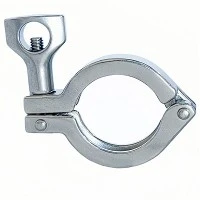
Hey there! As a supplier of sanitary manways, I'm super excited to walk you through the installation process of these essential components. Sanitary manways are crucial in various industries, especially those dealing with food, pharmaceuticals, and beverages, where hygiene and easy access for cleaning and maintenance are top priorities.

First off, let's talk about what a sanitary manway is. It's basically an access point in a tank, vessel, or pipeline that allows people to enter for inspection, cleaning, or maintenance. There are different types, like the Round Manway With Sight Glass, which comes with a handy sight glass for visual inspection without having to open the manway, Sanitary Manways in general, and Sanitary Rectangular Manyway, each with its own unique features and uses.
Preparation
Before you start the installation, you gotta make sure you've got everything you need. First, check the manway itself. Inspect it for any damage that might have occurred during shipping. Look for dents, scratches, or any signs of corrosion. If you find anything, contact your supplier right away.
Next, gather all the necessary tools. You'll typically need a wrench set, a torque wrench (this is super important for getting the right tightness), a sealant (usually a food-grade silicone or rubber gasket), and maybe some cleaning supplies to prep the area where the manway will be installed.
Measure the opening in the tank or vessel where the manway will go. It's crucial that the dimensions match exactly. If they don't, you might run into problems with sealing and proper fit. Double - check the specifications of your manway against the opening to avoid any headaches later.
Surface Preparation
The surface where the manway will be installed needs to be clean and smooth. Any dirt, debris, or old sealant can prevent a proper seal and lead to leaks. Use a suitable cleaner to remove any contaminants. For example, in a food processing environment, you might use a mild detergent and then rinse thoroughly with clean water.
Once the surface is clean, dry it completely. Moisture can also affect the sealing process. You can use a clean, dry cloth or let it air - dry naturally. If there are any rough spots or burrs on the surface, use a file or sandpaper to smooth them out. This will ensure a good contact between the manway and the tank.
Installing the Gasket
The gasket is a key part of the manway installation. It provides the seal that prevents leaks and keeps the contents of the tank or vessel inside. First, choose the right gasket material. As I mentioned earlier, food - grade silicone or rubber is commonly used in sanitary applications because they're non - toxic and resistant to chemicals and high temperatures.
Carefully place the gasket around the edge of the manway opening. Make sure it fits snugly and there are no gaps or folds. Some gaskets come with adhesive backing, which can make the installation a bit easier. If yours does, just peel off the backing and stick it in place. If not, you might need to use a small amount of food - grade lubricant to help it slide into position.
Placing the Manway
Now it's time to place the manway onto the prepared opening. Lift it carefully and align it with the opening on the tank or vessel. Make sure it's centered and all the bolt holes line up perfectly. This can be a bit tricky, especially if the manway is large or heavy. You might need an extra set of hands to help with this step.
Once it's in position, insert the bolts through the holes in the manway and the tank. Don't tighten them yet. Just get them all in place so that the manway is held in position.
Tightening the Bolts
This is where the torque wrench comes in. Tightening the bolts evenly is crucial for a proper seal. If you tighten one bolt too much or not enough, it can cause the gasket to deform and lead to leaks.
Start by tightening the bolts in a criss - cross pattern. This helps to distribute the pressure evenly across the gasket. Refer to the manufacturer's specifications for the correct torque value. For example, if the specs say to use a torque of 50 foot - pounds, set your torque wrench accordingly.
Tighten each bolt gradually, going around the manway several times. Don't try to tighten them all the way in one go. This can cause the gasket to compress unevenly. After you've tightened all the bolts to the correct torque, go around one more time to double - check.
Testing
Once the manway is installed, it's time to test it. Fill the tank or vessel with a small amount of water or the product it will hold. Check for any leaks around the manway. Look closely at the edges and the bolt areas. If you see any drips or seepage, you'll need to go back and re - check the bolt tightness or the gasket installation.
If everything looks good, let the water or product sit for a while to make sure there are no slow leaks. You can also perform a pressure test if required by your industry standards. This involves pressurizing the tank to a specified level and checking for any drops in pressure, which could indicate a leak.
Maintenance
After the installation and testing are successful, it's important to establish a regular maintenance schedule. Inspect the manway periodically for any signs of wear and tear, such as cracks in the gasket or corrosion on the manway itself. Replace the gasket if it shows any signs of damage or degradation.

Keep the manway clean by following the recommended cleaning procedures for your industry. This will help to prevent the buildup of dirt, bacteria, and other contaminants.
Why Choose Our Sanitary Manways
As a supplier, we take pride in offering high - quality sanitary manways. Our products are made from top - grade materials that meet the strictest industry standards. Whether you need a Round Manway With Sight Glass, Sanitary Manways in general, or Sanitary Rectangular Manyway, we've got you covered.
Our manways are designed for easy installation and long - term reliability. We also provide excellent customer support to help you with any questions or issues you might have during the installation or maintenance process.
If you're in the market for sanitary manways, don't hesitate to get in touch with us. We'd love to discuss your specific needs and help you find the perfect solution for your business. Whether you're a small - scale food producer or a large pharmaceutical company, we have the products and expertise to meet your requirements. Contact us today to start the conversation and take the first step towards a better - functioning and more hygienic operation.
References
- "Sanitary Equipment Installation Guide" - Industry Standard Publication
- Manufacturer's Manuals for Sanitary Manways