




What is the opening mechanism of a sanitary manway?
As a supplier of sanitary manways, I am often asked about the opening mechanisms of these essential components in various industries, especially in sectors where hygiene and cleanliness are of utmost importance, such as food and beverage, pharmaceutical, and biotechnology. In this blog, I will delve into the different opening mechanisms of sanitary manways, their features, and applications.
Types of Sanitary Manways and Their Opening Mechanisms
1. Hinged Opening Mechanism
One of the most common opening mechanisms for sanitary manways is the hinged design. This type of manway is attached to the tank or vessel with a hinge on one side. The advantage of a hinged manway is its simplicity and ease of use. To open the manway, you simply lift the cover on the non - hinged side. This mechanism provides quick access to the interior of the tank for inspection, cleaning, or maintenance purposes.
Hinged sanitary manways are available in different shapes and materials. For example, Stainless Steel Round Manway with a hinged opening is widely used in cylindrical tanks. The round shape distributes stress evenly, making it suitable for high - pressure applications. The stainless - steel construction ensures durability and resistance to corrosion, which is crucial in sanitary environments.
2. Quick - Release Opening Mechanism
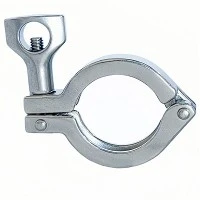
Quick - release opening mechanisms are designed for situations where rapid access is required. These manways use a system of latches or clamps that can be easily and quickly disengaged. For instance, some quick - release manways feature a quarter - turn or a snap - lock mechanism. When the operator needs to open the manway, they can simply turn a handle or release a clamp, and the cover will come off.
This type of opening mechanism is very popular in industries where time is of the essence, such as in large - scale food production facilities. A Sanitary Rectangular Manyway with a quick - release mechanism can be used in rectangular tanks or vessels. The rectangular shape allows for a larger opening area, which is beneficial for inserting larger equipment or for more extensive cleaning operations.
3. Inward - Opening Mechanism
Inward - opening manways are designed to open towards the inside of the tank or vessel. This type of mechanism is often used in applications where space outside the tank is limited. For example, in a crowded factory floor, an inward - opening manway can prevent the cover from obstructing walkways or other equipment.


A Stainless Steel Oval Inward Manway is a great example of this design. The oval shape provides a larger opening area compared to a round manway of the same diameter, while still maintaining structural integrity. When opening an inward - opening manway, the operator needs to apply force to push the cover inside the tank. Special seals are used to ensure a tight closure and prevent leakage.
Factors Affecting the Choice of Opening Mechanism
1. Operational Requirements
The nature of the operations carried out inside the tank or vessel is a major factor in choosing the opening mechanism. If frequent access is required, a quick - release mechanism would be more suitable. For example, in a fermentation tank in a brewery, where regular sampling and cleaning are necessary, a quick - release manway can save a significant amount of time.
On the other hand, if access is less frequent and the manway is mainly used for periodic maintenance, a hinged mechanism might be sufficient. The simplicity of the hinged design makes it reliable and easy to operate over a long period.
2. Safety Considerations
Safety is always a top priority in any industrial setting. Some opening mechanisms may pose a greater risk of injury than others. For example, an inward - opening manway may require more caution when opening, as there is a risk of the operator falling into the tank if not properly secured. In such cases, additional safety features, such as handrails or locking devices, may be required.
Quick - release mechanisms also need to be designed and maintained properly to prevent accidental opening. If a manway opens unexpectedly during operation, it can lead to spills, contamination, or even injury to workers.
3. Hygiene Requirements
In sanitary applications, the opening mechanism should not compromise the cleanliness of the tank or vessel. All components of the manway, including the opening mechanism, should be easy to clean and sanitize. For example, smooth surfaces and minimal crevices are preferred to prevent the accumulation of dirt and bacteria.
Stainless - steel manways are a popular choice in sanitary industries because they can be easily cleaned and are resistant to corrosion. The opening mechanism should also be designed in a way that allows for thorough cleaning of all parts, including the hinges, latches, and seals.
Maintenance of Sanitary Manway Opening Mechanisms
Proper maintenance of the opening mechanism is essential to ensure the long - term performance and safety of the sanitary manway. Here are some maintenance tips:
1. Regular Inspection
Inspect the opening mechanism regularly for signs of wear, damage, or corrosion. Check the hinges for smooth movement, the latches or clamps for proper engagement, and the seals for any signs of leakage. If any issues are detected, they should be addressed immediately to prevent further damage.
2. Lubrication
Some opening mechanisms, such as hinges, may require lubrication to ensure smooth operation. Use a food - grade lubricant in sanitary applications to avoid contamination. Follow the manufacturer's recommendations for the type and frequency of lubrication.
3. Seal Replacement
The seals in the manway are crucial for preventing leakage and maintaining a sanitary environment. Over time, seals may wear out or become damaged. Replace the seals at regular intervals or as soon as any signs of deterioration are noticed.
Conclusion
The opening mechanism of a sanitary manway is a critical aspect that can significantly impact the efficiency, safety, and hygiene of operations in various industries. Whether it is a hinged, quick - release, or inward - opening mechanism, each has its own advantages and is suitable for different applications.
As a sanitary manway supplier, we understand the diverse needs of our customers and offer a wide range of manways with different opening mechanisms. If you are in need of a sanitary manway for your specific application, we encourage you to contact us for a detailed discussion. Our team of experts can help you choose the most appropriate opening mechanism based on your operational requirements, safety considerations, and hygiene standards.
References
- "Sanitary Equipment Design and Installation Guidelines" - Industry Standard Publication
- "Best Practices for Maintaining Sanitary Manways" - Journal of Industrial Hygiene
- "Advances in Sanitary Manway Technology" - Conference Proceedings