




Hey there! As a supplier of Bevel Seat Ferrules, I've been getting a lot of questions lately about the relationship between the hardness of a bevel seat ferrule and its performance. So, I thought I'd take a few minutes to break it down for you.
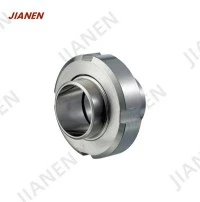
First off, let's talk about what a bevel seat ferrule is. It's a type of fitting used in steel tube connections. These ferrules are designed to create a tight seal between two components, usually a tube and a fitting. They're commonly used in industries where a leak - free connection is crucial, like the food and beverage, pharmaceutical, and chemical industries.
Now, onto the main topic: hardness. The hardness of a bevel seat ferrule plays a huge role in how well it performs. Hardness is essentially a measure of how resistant a material is to deformation, scratching, or penetration. In the case of bevel seat ferrules, it can affect several aspects of their performance.
Sealing Performance
One of the most important functions of a bevel seat ferrule is to create a reliable seal. When you tighten the connection, the ferrule needs to deform slightly to conform to the shape of the mating surfaces. If the ferrule is too soft, it might deform too much. This can lead to issues like extrusion, where the material of the ferrule gets pushed out of the joint area. Extrusion can compromise the integrity of the seal and increase the risk of leaks.
On the other hand, if the ferrule is too hard, it may not deform enough to create a proper seal. It won't be able to fill in all the microscopic irregularities on the mating surfaces, leaving gaps where fluids or gases can escape. So, there's a sweet spot in terms of hardness where the ferrule can deform just enough to create a tight, leak - free seal.
Resistance to Wear and Tear
In many applications, bevel seat ferrules are subject to repeated assembly and disassembly. This can cause wear on the ferrule over time. A harder ferrule generally has better resistance to wear. It can withstand the friction and mechanical forces involved in the assembly process without significant damage.
For example, in a manufacturing plant where pipes are frequently disconnected for maintenance or reconfiguration, a hard ferrule will last longer. It won't develop excessive scratches or dents that could affect its sealing ability. This means fewer replacements and less downtime for your operations.
Torque Requirements
The hardness of the ferrule also affects the torque required to make a proper connection. A softer ferrule will typically require less torque to deform and create a seal. However, if you use too much torque on a soft ferrule, it can lead to the problems I mentioned earlier, like extrusion.
Harder ferrules usually need more torque to achieve the necessary deformation. But it's important to note that over - torquing a hard ferrule can also cause issues. It can lead to cracking or fracturing of the ferrule, which again will compromise the seal. So, understanding the hardness of the ferrule is crucial for determining the correct torque to apply during installation.
Material Selection and Hardness
The hardness of a bevel seat ferrule is closely related to the material it's made from. Common materials for bevel seat ferrules include stainless steel, brass, and some specialty alloys. Each material has its own range of hardness values.


Stainless steel is a popular choice because it offers a good balance of hardness, corrosion resistance, and strength. It can be heat - treated to achieve different levels of hardness depending on the specific application requirements. Brass, on the other hand, is generally softer than stainless steel. It's often used in applications where a lower - cost option is needed and the operating conditions are less demanding.
Real - World Examples
Let's look at a couple of real - world scenarios to illustrate the importance of hardness in bevel seat ferrule performance.
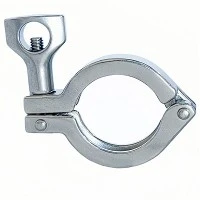
In the food and beverage industry, NPT MALE Clamped Adapter with bevel seat ferrules are used to connect pipes carrying liquids like milk, juice, or beer. A proper seal is essential to prevent contamination and ensure product quality. If the ferrule is too soft, it could extrude into the pipe, potentially getting into the product stream. A hard ferrule that can resist wear and create a reliable seal is crucial in this type of application.
In the chemical industry, where corrosive substances are often transported, the hardness of the ferrule can also impact its corrosion resistance. A harder ferrule may be more resistant to the chemical attack that can occur in these environments. For instance, in a chemical processing plant using 3 sanitary tee with bevel seat ferrules, a ferrule with the right hardness can help prevent leaks and extend the lifespan of the connection.
Testing and Quality Control
As a supplier, we take hardness testing very seriously. We use specialized equipment to measure the hardness of our bevel seat ferrules. This helps us ensure that each ferrule meets the required specifications for the intended application.
We also perform other quality control tests, such as pressure testing to check the sealing performance. By combining these tests, we can guarantee that our ferrules will perform well in the field.
Choosing the Right Hardness for Your Application
When you're looking for bevel seat ferrules for your specific application, it's important to consider the operating conditions. Factors like the type of fluid or gas being transported, the pressure and temperature of the system, and the frequency of assembly and disassembly all play a role in determining the ideal hardness.
If you're dealing with high - pressure applications, a harder ferrule might be more suitable. For applications where the connection needs to be made and broken frequently, you'll want a ferrule that can withstand the wear and tear. And if corrosion is a concern, you'll need to choose a material and hardness level that offers good corrosion resistance.
Conclusion
In conclusion, the hardness of a bevel seat ferrule is a critical factor in its performance. It affects sealing performance, resistance to wear, torque requirements, and more. Finding the right balance of hardness is essential for ensuring a reliable, long - lasting connection.
As a supplier, we're here to help you choose the best bevel seat ferrules for your needs. Whether you're in the food and beverage, pharmaceutical, chemical, or any other industry, we can provide you with ferrules that offer the optimal combination of hardness and performance.
If you're interested in learning more about our bevel seat ferrules or have any questions about how hardness might affect your specific application, don't hesitate to reach out. We're always happy to have a chat and help you find the right solutions for your projects. Let's start a conversation about your procurement needs and see how we can work together to ensure the success of your operations.
References
- "Materials Science and Engineering: An Introduction" by William D. Callister Jr. and David G. Rethwisch
- Industry standards and guidelines related to pipe fittings and connections.