

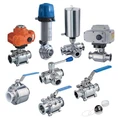

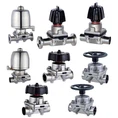



The difference between sanitary pipe fittings and ordinary pipe fittings
Sanitary pipe fittings
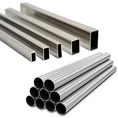
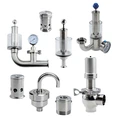
Pipe fittings are a general term for all the components that make up the piping system, such as straight pipes, elbows, elbows, flanges, tees, tees, etc. These can be called pipe fittings, rather than simply referring to pipes, sanitary The pipe fitting is a pipe fitting that has special requirements on the basis of the pipe fitting.
Sanitary fittings can be read from the name. In general, ordinary fittings can meet the demand, but some companies with high sanitary requirements require sanitary fittings. Common pipe fittings can be made of iron, copper, aluminum and other alloys. Sanitary pipe fittings are usually made of stainless steel. Stainless steel materials are more resistant to corrosion than metals such as iron and copper, and they do not produce substances that can repay the human body.
Some food processing plants, alcoholic beverage processing, medical chemical processing and other enterprises have relatively high product requirements, so they must purchase sanitary pipe fittings to transport raw materials or finished products. Since ordinary pipe fittings are not resistant to corrosion, iron pipe fittings are easy to rust, so they cannot meet the demand.
Another difference is that the standards for sanitary fittings are different from the standards for ordinary fittings. The manufacturing standards commonly used for sanitary fittings are: ISO, GB, DIN, 3A, IDF, etc., and the standard for industrial fittings: GB. And other standards. GB is a mandatory national standard, GB/T is a recommended national standard, ("T" means recommended standard).