


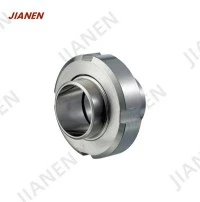


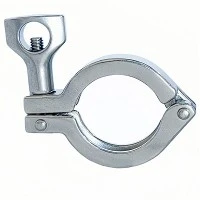
As a supplier of Sanitary Hose Adaptors, I've had the privilege of engaging with clients from various corners of the globe. Over the years, I've come to realize that while the fundamental purpose of sanitary hose adaptors remains consistent, there are indeed notable differences based on the country of use. In this blog, I'll delve into these disparities, offering insights for both industry professionals and those new to the world of sanitary hose adaptors.
Regulatory Standards
One of the most significant factors contributing to differences in sanitary hose adaptors across countries is the regulatory environment. Different nations have their own set of rules and standards governing the manufacturing, use, and safety of sanitary products.
In the United States, the Food and Drug Administration (FDA) plays a crucial role in regulating sanitary products. The FDA sets strict guidelines on the materials that can be used in sanitary hose adaptors, ensuring they are safe for contact with food, beverages, and other consumables. For example, the adaptors must be made from materials that do not leach harmful substances into the product being transported. This often means using high - quality stainless steel that meets specific FDA - approved grades.
In the European Union, the regulations are centered around the European Hygienic Engineering and Design Group (EHEDG) standards. EHEDG focuses on the hygienic design of equipment, including sanitary hose adaptors. Adaptors must be designed in a way that prevents the accumulation of dirt, bacteria, and other contaminants. They should be easy to clean and disinfect, with smooth surfaces and no crevices where debris can collect. This emphasis on hygienic design is a key difference compared to some other regions.
In Asia, countries like Japan and South Korea also have their own unique regulatory frameworks. Japan has strict standards related to food safety and the use of sanitary equipment in the food and beverage industry. Korean regulations are evolving to meet international standards, but they still have specific requirements that local manufacturers need to adhere to. These differences in regulations mean that a sanitary hose adaptor that is compliant in one country may not be suitable for use in another.
Thread Sizes and Types
Another area where differences exist is in thread sizes and types. Different countries have adopted different standards for threading on sanitary hose adaptors.
In the United States, the National Pipe Thread (NPT) is commonly used. NPT threads are tapered, which means they are designed to create a tight seal when screwed together. This type of threading is widely used in the plumbing and industrial sectors. However, in the United Kingdom, the British Standard Pipe (BSP) thread is prevalent. BSP threads can be either parallel (BSPP) or tapered (BSPT). The difference in thread design and size can make it challenging to interchange adaptors between products designed for these two different systems.
In Europe, there are also variations in thread standards. Some countries may use metric threads, which are based on the International System of Units (SI). These metric threads have different dimensions compared to NPT or BSP threads. For example, a metric thread might have a different pitch (the distance between each thread) and a different outer diameter. This can be a significant issue when trying to connect hoses and equipment from different countries.
Material Preferences
Material preferences for sanitary hose adaptors can also vary from country to country. While stainless steel is a popular choice globally due to its corrosion resistance and durability, the specific grades of stainless steel used can differ.
In countries with a strong food and beverage industry, such as Italy and Germany, there is a preference for high - grade stainless steel, like 316L. This grade of stainless steel contains molybdenum, which enhances its corrosion resistance, especially in environments where it may come into contact with acidic or salty substances.


In some developing countries, cost - effectiveness may be a more significant factor. As a result, they may use lower - grade stainless steel or even other materials like plastic in certain applications. However, plastic adaptors may not be suitable for all uses, especially in industries where high - temperature or high - pressure conditions are involved.
Industry - Specific Requirements
The specific industries in each country can also influence the design and use of sanitary hose adaptors. For example, in the dairy industry, which is prominent in countries like New Zealand and the Netherlands, adaptors need to be designed to handle the unique properties of milk and dairy products. They must be able to resist the formation of biofilms, which can occur when bacteria grow on the surface of the adaptor.
In the pharmaceutical industry, which is well - developed in countries like Switzerland and the United States, adaptors need to meet extremely high standards of cleanliness and sterility. They may need to be able to withstand high - temperature sterilization processes without degrading. This can lead to the use of specialized materials and designs that are not required in other industries.
Our Offerings
As a Sanitary Hose Adaptor supplier, we understand these differences and are committed to providing products that meet the diverse needs of our global clients. We offer a wide range of Sanitary Hose Adaptor that are designed to comply with various international standards. Our adaptors are available in different thread sizes and types, allowing for seamless integration with equipment from different countries.
We also offer high - quality stainless steel adaptors, including those made from 316L grade stainless steel, to meet the strictest hygiene and corrosion - resistance requirements. In addition, we provide stainless buttweld caps and Stainless Steel Sight Glass that are compatible with our sanitary hose adaptors, providing a complete solution for your sanitary piping needs.
Contact Us for Purchasing
If you're in the market for sanitary hose adaptors or related products, we invite you to get in touch with us. Our team of experts can help you select the right products based on your specific requirements, whether it's related to regulatory compliance, thread sizes, or material preferences. We are dedicated to providing high - quality products and excellent customer service. Let's start a conversation about how we can meet your sanitary hose adaptor needs.
References
- "Food and Drug Administration (FDA) Regulations on Sanitary Equipment", United States Food and Drug Administration
- "European Hygienic Engineering and Design Group (EHEDG) Guidelines", European Hygienic Engineering and Design Group
- "Thread Standards in Plumbing and Industrial Applications", International Association of Plumbing and Mechanical Officials