




As a trusted supplier of stainless steel long ferrules, I often encounter inquiries from customers about the proper way to remove these components without causing any damage. In this blog post, I'll share some valuable insights and techniques based on my experience in the industry.
Understanding the Stainless Steel Long Ferrule
Before delving into the removal process, it's essential to understand what a stainless steel long ferrule is and its applications. Stainless steel long ferrules are widely used in various industries, including food and beverage, pharmaceutical, and chemical processing. They are designed to provide a secure and leak - tight connection between pipes or tubes, ensuring the efficient flow of fluids or gases.
Tools Required for Removal
To remove a stainless steel long ferrule safely, you'll need a few essential tools. These include:
- Adjustable Wrench: A good - quality adjustable wrench is crucial for gripping the ferrule and applying the necessary torque. Make sure the wrench is the right size to fit the ferrule snugly.
- Pipe Wrench (Optional): In some cases, especially when dealing with larger ferrules or those that are tightly fitted, a pipe wrench can provide additional leverage.
- Penetrating Oil: If the ferrule is stuck due to corrosion or debris, a penetrating oil like WD - 40 can help loosen it. Spray the oil around the connection and let it sit for a few minutes to allow it to penetrate.
- Soft - faced Hammer: A soft - faced hammer can be used gently to tap the ferrule if it's slightly stuck. This helps to break the bond between the ferrule and the pipe.
Step - by - Step Removal Process
Step 1: Safety First
Before you start the removal process, ensure that you are wearing appropriate safety gear, such as gloves and safety glasses. This will protect you from any potential injuries, such as cuts or debris flying into your eyes.
Step 2: Inspect the Connection
Carefully examine the ferrule and its connection to the pipe. Look for any signs of damage, corrosion, or debris. If there is a lot of corrosion, applying a penetrating oil as mentioned earlier can be very helpful.
Step 3: Loosen the Ferrule
Use the adjustable wrench to grip the ferrule firmly. Turn the wrench counter - clockwise to loosen the ferrule. If the ferrule is very tight, you may need to apply more force gradually. Be careful not to over - tighten the wrench, as this can damage the ferrule.


Step 4: Use a Pipe Wrench if Necessary
If the adjustable wrench is not providing enough leverage, you can use a pipe wrench. Place the pipe wrench on the ferrule and turn it counter - clockwise. Remember to use the pipe wrench carefully, as it can cause more damage if used incorrectly.
Step 5: Tap the Ferrule
If the ferrule is still stuck, use a soft - faced hammer to gently tap the ferrule around its circumference. This can help to break the bond between the ferrule and the pipe. However, be very gentle, as excessive force can dent or crack the ferrule.
Step 6: Remove the Ferrule
Once the ferrule is loose, continue turning it counter - clockwise until it can be completely removed from the pipe. Inspect the ferrule and the pipe for any damage after removal.
Common Mistakes to Avoid
- Using Excessive Force: Applying too much force can cause the ferrule to crack, dent, or deform. Always start with gentle force and gradually increase it if necessary.
- Not Using the Right Tools: Using the wrong size or type of wrench can make the removal process more difficult and increase the risk of damage.
- Neglecting Safety: Failing to wear appropriate safety gear can lead to injuries. Always prioritize safety when working with stainless steel ferrules.
Tips for Reusing the Ferrule
If you plan to reuse the stainless steel long ferrule, here are some tips:
- Clean the Ferrule: After removal, clean the ferrule thoroughly using a mild detergent and water. This will remove any debris, oil, or corrosion.
- Inspect for Damage: Carefully examine the ferrule for any signs of damage, such as cracks or dents. If there is significant damage, it may not be suitable for reuse.
- Lubricate the Ferrule: Before reinstalling the ferrule, apply a small amount of lubricant to the threads. This will make the installation process smoother and help prevent future corrosion.
Related Products
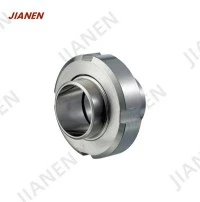
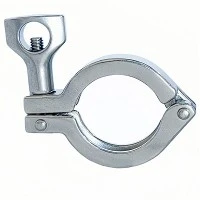
In addition to stainless steel long ferrules, we also offer a wide range of related products, such as forged stainless caps, ss union coupling, and NPT MALE Clamped Adapter. These products are designed to work seamlessly with our stainless steel long ferrules, providing you with comprehensive solutions for your piping needs.
Conclusion
Removing a stainless steel long ferrule without damaging it requires patience, the right tools, and the proper technique. By following the steps outlined in this blog post, you can safely remove the ferrule and, if necessary, reuse it. As a leading supplier of stainless steel long ferrules, we are committed to providing high - quality products and valuable information to our customers. If you have any further questions about our products or the removal process, please feel free to contact us for more details and to discuss your procurement needs. We look forward to serving you and helping you find the best solutions for your projects.
References
- "Stainless Steel Pipe Fittings Handbook" - A comprehensive guide on stainless steel pipe fittings and their applications.
- Industry standards and best practices for the installation and removal of stainless steel ferrules.