




As a seasoned supplier of sanitary hose adaptors, I often encounter a common question from customers: "What is the weight of a typical sanitary hose adaptor?" This seemingly simple question delves into a complex interplay of factors, from material composition to design specifications. In this blog post, I'll explore the various elements that influence the weight of sanitary hose adaptors and provide insights to help you understand what to expect.
Material Matters
The choice of material is one of the primary determinants of an adaptor's weight. Sanitary hose adaptors are commonly made from stainless steel, a material renowned for its durability, corrosion resistance, and hygiene properties. Stainless steel comes in different grades, each with its own density and weight characteristics.
- 304 Stainless Steel: This is the most widely used grade in sanitary applications. It offers a good balance of strength and corrosion resistance. With a density of approximately 7.93 g/cm³, 304 stainless steel adaptors are relatively lightweight while still maintaining structural integrity.
- 316 Stainless Steel: Often preferred in more demanding environments, such as those exposed to harsh chemicals or high temperatures, 316 stainless steel has a slightly higher density of around 7.98 g/cm³. This results in adaptors that are marginally heavier but offer enhanced corrosion resistance.
Other materials, such as brass or plastic, may also be used for specific applications. Brass adaptors are heavier than stainless steel due to their higher density (around 8.4 - 8.73 g/cm³), while plastic adaptors are significantly lighter, with densities ranging from 0.9 to 2.2 g/cm³ depending on the type of plastic.
Design and Size
The design and size of a sanitary hose adaptor also play a crucial role in determining its weight. Adaptors come in a variety of shapes and configurations, each tailored to specific connection requirements.
- Straight Adaptors: These are the simplest and most common type of adaptor. They typically have a uniform diameter and length, which makes their weight relatively easy to calculate based on the material's density and the volume of the adaptor.
- Elbows and Tees: These adaptors have a more complex design, with bends or branches that increase their overall volume. As a result, they are generally heavier than straight adaptors of the same diameter and material. For example, stainless elbows are designed to change the direction of the hose, and their weight will depend on the angle of the bend and the wall thickness of the material.
- Size: Larger diameter adaptors will naturally be heavier than smaller ones, as they require more material to manufacture. Additionally, the wall thickness of the adaptor can vary, with thicker walls adding to the overall weight.
Connection Types
The type of connection used in a sanitary hose adaptor can also affect its weight. Different connection methods require different components, which can add to the overall mass of the adaptor.
- Threaded Connections: These adaptors have male or female threads that allow them to be screwed onto the hose or fitting. The threads themselves add a small amount of weight, and the size and pitch of the threads can vary, affecting the overall weight of the adaptor.
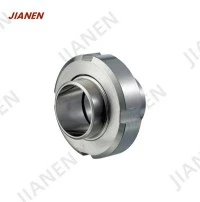
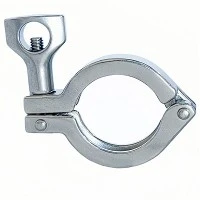
- Clamp Connections: Clamp connections, such as ss union coupling, use a clamp to secure the adaptor to the hose or fitting. The clamp itself adds weight, and the design and material of the clamp can vary, resulting in different weights.
- Welded Connections: Welded adaptors are permanently attached to the hose or fitting through welding. While this method eliminates the need for additional connection components, the welding process may require additional material to be added to the adaptor, increasing its weight.
Typical Weight Ranges
Given the wide range of factors that influence the weight of a sanitary hose adaptor, it's difficult to provide a single "typical" weight. However, I can offer some general guidelines based on common sizes and materials.
- Small Diameter (1/2" - 1") Stainless Steel Adaptors: These adaptors are commonly used in applications such as laboratory equipment or small-scale food processing. They typically weigh between 0.1 and 0.5 pounds (0.045 - 0.227 kg), depending on the design and connection type.
- Medium Diameter (1 1/2" - 3") Stainless Steel Adaptors: These adaptors are more commonly used in industrial applications, such as beverage production or pharmaceutical manufacturing. They can weigh between 0.5 and 2 pounds (0.227 - 0.907 kg), again depending on the specific design and connection requirements.
- Large Diameter (4" and above) Stainless Steel Adaptors: These adaptors are used in high-capacity applications, such as water treatment plants or large-scale food processing facilities. They can weigh several pounds or more, with some heavy-duty adaptors weighing upwards of 10 pounds (4.536 kg).
Why Weight Matters
Understanding the weight of a sanitary hose adaptor is important for several reasons.


- Installation and Handling: Heavier adaptors may require additional support or equipment to install, which can increase the complexity and cost of the installation process. Additionally, the weight of the adaptor can affect its ease of handling, especially in applications where frequent disassembly and reassembly are required.
- System Design: The weight of the adaptors can impact the overall weight and balance of the system. In some cases, this may require additional structural support or modifications to the system design to ensure stability and safety.
- Shipping and Logistics: The weight of the adaptors can also affect shipping costs and logistics. Heavier adaptors may require larger packaging and more expensive shipping methods, which can add to the overall cost of the product.
Conclusion
In conclusion, the weight of a typical sanitary hose adaptor is influenced by a variety of factors, including material composition, design, size, and connection type. While it's difficult to provide a single "typical" weight, understanding these factors can help you make informed decisions when selecting the right adaptor for your application.
As a supplier of sanitary hose adaptors, I'm committed to providing high-quality products that meet your specific needs. If you have any questions about the weight or other characteristics of our adaptors, or if you're interested in discussing a specific application, please don't hesitate to [contact me to start a procurement discussion](your contact prompt here). I'm here to help you find the perfect solution for your project.
References
- ASME BPE (Bioprocessing Equipment) standards
- ASTM (American Society for Testing and Materials) specifications for stainless steel
- Manufacturer's product catalogs and technical data sheets