




Are there any noise - reducing sanitary valves?
Hey there! I'm a supplier of sanitary valves, and today I want to dig into the question: Are there any noise - reducing sanitary valves?
First off, let's talk about why noise reduction in sanitary valves matters. In a lot of settings, like food and beverage processing plants, pharmaceutical facilities, and even some high - end commercial kitchens, noise can be a real nuisance. Excessive noise not only makes the working environment unpleasant for employees but can also be a sign of inefficiency or potential problems within the valve system.
When it comes to sanitary valves, they are used in systems where hygiene is of the utmost importance. These valves need to be easy to clean, resistant to corrosion, and able to operate smoothly. But noise is often an overlooked aspect. So, are there actually noise - reducing sanitary valves out there? The answer is yes!
There are several types of sanitary valves that have been designed with noise reduction in mind. One of the key features in these valves is the way they control the flow of fluid. For example, some valves use special internal geometries to minimize turbulence. Turbulence is a major cause of noise in fluid flow. When the fluid moves in a chaotic, swirling manner, it creates vibrations that translate into noise.
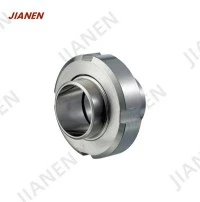
Let's take a look at some specific types of sanitary valves. The Sanitary Valves are a broad category that includes different designs. Some of these valves are engineered with noise - reducing technology. They might have smooth internal surfaces that allow the fluid to flow more evenly. This smooth flow reduces the chances of eddies and whirlpools forming, which in turn cuts down on noise.
Another type is the Sanitary Steam Trap. Steam traps are used to remove condensate from steam systems while preventing the escape of steam. In a steam system, noise can be a big issue, especially if the trap is not functioning properly. Modern sanitary steam traps are designed to operate quietly. They use advanced mechanisms to ensure that the condensate is removed efficiently without causing a lot of noise. For instance, some traps have a floating ball mechanism that opens and closes smoothly, reducing the clattering and hissing sounds that are common in older, less - efficient traps.
The Stainless Steel Butterfly Valve is also worth mentioning. Butterfly valves are known for their simple and compact design. In the sanitary version, they can be made with noise - reducing features. The disc of the butterfly valve can be shaped in a way that reduces the impact of the fluid as it passes through. This helps to keep the noise level down.
Now, how do these noise - reducing features work in practice? Well, it all comes down to the science of fluid dynamics. When a valve is designed to control the flow of fluid in a more laminar (smooth) way, the energy of the fluid is used more efficiently. Instead of being wasted on creating noise - causing turbulence, the energy is used to move the fluid through the system.
For example, in a food processing plant, a noisy valve can be a real headache. If the noise is coming from a valve that is controlling the flow of a liquid ingredient, it could be a sign that the valve is not regulating the flow properly. This could lead to inconsistent product quality. By using a noise - reducing sanitary valve, the flow is more stable, and the noise is minimized. This not only makes the working environment better but also improves the overall efficiency of the production process.
In a pharmaceutical facility, noise can be a critical issue. The strict regulations require a clean and quiet environment. A noisy valve could potentially contaminate the products if it causes vibrations that stir up dust or other particles. Noise - reducing sanitary valves help to maintain the high - level of cleanliness and quietness that these facilities demand.
But how do you know if a sanitary valve is truly noise - reducing? Well, there are a few things to look for. First, check the manufacturer's specifications. Reputable manufacturers will often provide information about the noise - reducing features of their valves. They might mention things like the internal design, the materials used, and the expected noise level under normal operating conditions.


You can also look for independent testing and certification. Some valves are tested in specialized laboratories to determine their noise - reducing capabilities. Certifications from recognized organizations can give you confidence that the valve will perform as advertised.
Another important factor is the installation. Even the best noise - reducing valve can make noise if it is not installed correctly. Make sure that the valve is properly aligned, and the piping is of the right size and quality. Any misalignment or improper piping can cause additional turbulence and noise.
If you're in the market for noise - reducing sanitary valves, I'd be more than happy to help. As a sanitary valve supplier, I have access to a wide range of high - quality valves that are designed to meet your specific needs. Whether you're looking for a valve for a small - scale kitchen or a large - scale industrial facility, I can provide you with the right solution.
Contact me if you're interested in discussing your requirements further. We can talk about the different types of noise - reducing sanitary valves available, their features, and how they can benefit your operations. Let's work together to find the best valves for your system and make your working environment quieter and more efficient.
References
- Fluid Mechanics textbooks for understanding the principles of fluid flow and noise generation.
- Manufacturer's brochures and technical documents for information on specific valve designs and their noise - reducing features.