


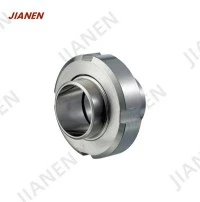


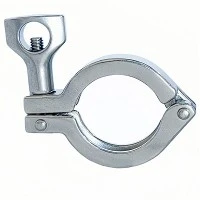
As a supplier of sanitary pipe fittings, I often encounter questions from customers regarding various aspects of these products. One frequently asked question is whether it's possible to paint sanitary pipe fittings. In this blog post, I'll explore this topic in detail, considering both the feasibility and potential implications of painting these fittings.
Understanding Sanitary Pipe Fittings
Before delving into the question of painting, it's essential to understand what sanitary pipe fittings are and their intended use. Sanitary pipe fittings are designed for applications where hygiene and cleanliness are of utmost importance, such as in food and beverage processing, pharmaceutical manufacturing, and healthcare facilities. These fittings are typically made from high - quality materials like stainless steel, which offers excellent corrosion resistance, durability, and ease of cleaning.
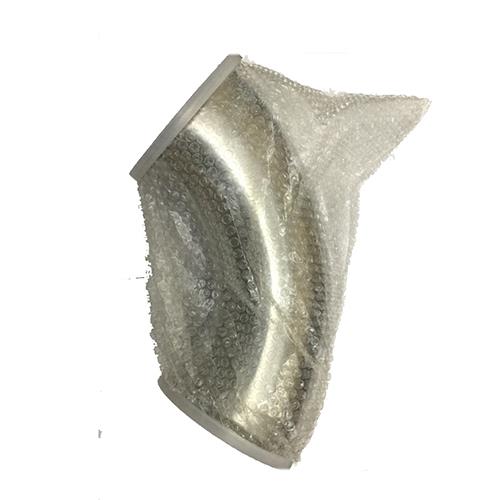
Common types of sanitary pipe fittings include 45 degree stainless steel elbow, stainless elbows, and 14MPHR Rubber Hose Clamp Adaptor. They are used to connect pipes, change the direction of flow, and regulate the fluid within the system.
Feasibility of Painting Sanitary Pipe Fittings
Material Compatibility
Stainless steel is the most common material for sanitary pipe fittings. Painting stainless steel can be challenging because of its smooth and non - porous surface. Most paints require a rough surface to adhere properly. The paint may not bond well to the stainless steel, leading to peeling, chipping, or flaking over time.
However, if proper surface preparation is done, such as sanding the stainless steel to create a rougher texture and using a primer specifically designed for metal surfaces, it is possible to paint the fittings. There are also specialized paints available that are formulated to adhere to stainless steel.
Hygiene Considerations
In sanitary applications, any coating on the pipe fittings must not compromise hygiene. If the paint is not food - grade or is prone to flaking, it can contaminate the fluid flowing through the pipes. For example, in a food processing plant, paint particles could enter the food product, posing a significant health risk.
Even if the paint is initially food - grade, the constant flow of fluids, cleaning agents, and high - pressure cleaning processes can wear down the paint over time, increasing the risk of contamination.
Corrosion Resistance
One of the main advantages of stainless steel sanitary pipe fittings is their excellent corrosion resistance. Painting the fittings may actually reduce this resistance. If the paint coating is damaged, water and other corrosive substances can penetrate the coating and reach the stainless steel surface, causing corrosion.

Reasons for Painting Sanitary Pipe Fittings
Aesthetic Purposes
In some cases, customers may want to paint the sanitary pipe fittings for aesthetic reasons. For example, in a commercial kitchen or a public restroom, the pipes may be visible, and painting them to match the surrounding decor can enhance the overall appearance.
Identification
Painting can also be used as a method of identification. Different colors of paint can be used to mark pipes carrying different types of fluids or to indicate specific sections of the piping system. This can be particularly useful in large industrial facilities where there are numerous pipes.
Potential Issues with Painting
Maintenance
Painted sanitary pipe fittings require more maintenance compared to unpainted ones. Any damage to the paint coating needs to be repaired promptly to prevent corrosion and contamination. This can be time - consuming and costly, especially in large - scale applications.
Regulatory Compliance
In industries with strict regulatory requirements, such as the food and pharmaceutical industries, painting the pipe fittings may not be allowed. Regulatory bodies often have specific guidelines regarding the materials and finishes used in sanitary applications to ensure the safety and quality of the products.
Alternatives to Painting
Powder Coating
Powder coating is a more durable alternative to traditional painting. It involves applying a dry powder to the surface of the pipe fittings and then curing it under heat. Powder coating provides a more uniform and long - lasting finish compared to paint. It also has better adhesion to stainless steel and is more resistant to chipping and peeling.
Anodizing
Anodizing is a process commonly used for aluminum, but it can also be applied to some stainless steel alloys. Anodizing creates a protective oxide layer on the surface of the metal, which can improve its corrosion resistance and provide a colored finish. However, anodizing is a more complex and expensive process compared to painting.
Conclusion
In conclusion, while it is technically possible to paint sanitary pipe fittings, there are several factors to consider. The material compatibility, hygiene requirements, corrosion resistance, and regulatory compliance all play a crucial role in determining whether painting is a viable option.
If the main purpose is aesthetic or for identification, alternatives like powder coating or anodizing may be more suitable. In sanitary applications where hygiene is of utmost importance, it's often best to leave the pipe fittings unpainted to ensure the safety and quality of the fluid being transported.
If you have any further questions about sanitary pipe fittings or need advice on the best options for your specific application, please feel free to contact us. We are always ready to assist you in making the right choices for your piping system. Our team of experts can provide you with detailed information and help you select the most suitable products for your needs. Whether you are looking for 45 degree stainless steel elbow, stainless elbows, or 14MPHR Rubber Hose Clamp Adaptor, we have a wide range of high - quality products to meet your requirements.
References
- ASME BPE Standard: Sanitary Pipe Fittings for the Bioprocessing Industry.
- FDA Guidelines for Materials in Contact with Food.
- ISO Standards for Hygienic Piping Systems.