


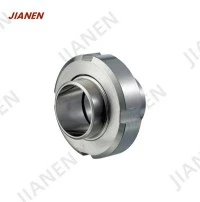


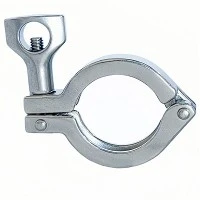
The elongation at break is a crucial mechanical property when it comes to sanitary clamped seals. As a supplier of sanitary clamped seals, I have witnessed firsthand the importance of understanding this characteristic in ensuring the optimal performance and reliability of these seals in various sanitary applications.

Understanding Elongation at Break
Elongation at break, also known as ultimate elongation, is a measure of the maximum amount of strain a material can withstand before it fractures. In the context of sanitary clamped seals, it represents the extent to which the seal can be stretched before it breaks under tensile stress. This property is typically expressed as a percentage and is determined through a standardized test method, such as the ASTM D412 test for elastomers.
The elongation at break is an important parameter because it provides insights into the flexibility and ductility of the seal material. A higher elongation at break generally indicates that the material is more flexible and can withstand greater deformation without breaking. This is particularly important in sanitary applications where the seals may be subjected to repeated bending, stretching, and compression during installation, operation, and cleaning.
Factors Affecting Elongation at Break
Several factors can influence the elongation at break of a sanitary clamped seal. These include:
- Material Composition: The type of elastomer or polymer used in the seal can have a significant impact on its elongation at break. Different materials have different molecular structures and properties, which can affect their flexibility and ductility. For example, natural rubber typically has a higher elongation at break compared to synthetic rubbers such as nitrile or silicone.
- Crosslinking Density: The degree of crosslinking in the elastomer can also affect its elongation at break. Crosslinking is the process of chemically bonding the polymer chains together, which can increase the strength and stiffness of the material. However, excessive crosslinking can reduce the flexibility and elongation at break of the seal.
- Temperature: The temperature at which the seal is used can also affect its elongation at break. In general, elastomers tend to become more flexible and have a higher elongation at break at higher temperatures. However, extreme temperatures can also cause the material to degrade or lose its mechanical properties, which can reduce the elongation at break.
- Environmental Conditions: The environmental conditions in which the seal is used can also affect its elongation at break. Exposure to chemicals, solvents, ozone, and other environmental factors can cause the material to degrade or swell, which can reduce its flexibility and elongation at break.
Importance of Elongation at Break in Sanitary Applications
In sanitary applications, the elongation at break of a clamped seal is particularly important for several reasons:

- Installation: During installation, the seal may need to be stretched or compressed to fit into the clamping mechanism. A seal with a higher elongation at break can be more easily installed without breaking or tearing, ensuring a proper seal and preventing leaks.
- Operation: In operation, the seal may be subjected to repeated bending, stretching, and compression due to pressure changes, temperature fluctuations, and mechanical vibrations. A seal with a higher elongation at break can better withstand these stresses without cracking or failing, ensuring the long-term reliability of the sealing system.
- Cleaning: Sanitary applications require regular cleaning and sterilization to maintain hygiene and prevent contamination. The cleaning process may involve the use of high-pressure water, steam, or chemical cleaners, which can cause the seal to expand, contract, or deform. A seal with a higher elongation at break can better withstand these cleaning processes without losing its sealing properties.
Choosing the Right Sanitary Clamped Seal Based on Elongation at Break
When selecting a sanitary clamped seal, it is important to consider the elongation at break as one of the key factors. Here are some tips to help you choose the right seal for your application:

- Understand Your Application Requirements: Before selecting a seal, it is important to understand the specific requirements of your application, including the operating temperature, pressure, chemical compatibility, and cleaning requirements. This will help you determine the appropriate material and properties for the seal.
- Choose the Right Material: Different materials have different elongation at break properties. For example, natural rubber typically has a higher elongation at break compared to synthetic rubbers such as nitrile or silicone. However, natural rubber may not be suitable for all applications due to its limited chemical resistance and durability. Therefore, it is important to choose the right material based on your application requirements.
- Consider the Seal Design: The design of the seal can also affect its elongation at break. For example, a seal with a thicker cross-section or a more complex shape may have a lower elongation at break compared to a simpler design. Therefore, it is important to consider the seal design in addition to the material properties when selecting a seal.
- Verify the Elongation at Break Specification: When purchasing a sanitary clamped seal, it is important to verify the elongation at break specification provided by the manufacturer. This will ensure that the seal meets your application requirements and provides the necessary performance and reliability.
Related Products and Applications
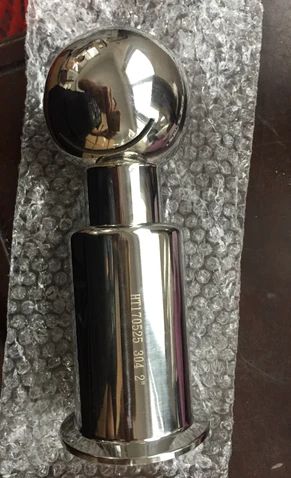
In addition to sanitary clamped seals, we also offer a wide range of related products for sanitary applications, including Stainless Steel Pipe Hanger, sanitary pipes and fittings, and Sanitary Cleaning Ball. These products are designed to work together to provide a complete sanitary solution for your application.
Conclusion
In conclusion, the elongation at break is a critical property of sanitary clamped seals that can significantly affect their performance and reliability in various sanitary applications. As a supplier of sanitary clamped seals, we understand the importance of this property and offer a wide range of seals with different elongation at break properties to meet the specific requirements of our customers. If you are in need of a sanitary clamped seal or related products, please do not hesitate to contact us for more information and to discuss your specific needs. We look forward to working with you to provide the best solution for your sanitary application.
References
- ASTM D412 - Standard Test Methods for Vulcanized Rubber and Thermoplastic Elastomers - Tension.
- Elastomer Handbook: Properties, Processing, and Applications.
- Sanitary Fittings and Components: Design, Installation, and Maintenance Guidelines.