


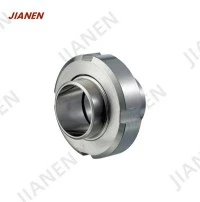


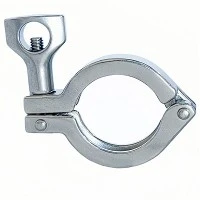
Hey there! I'm a supplier of Sanitary Valves, and I know firsthand how crucial it is for small - scale food production units to choose the right sanitary valve. In this blog, I'll share some tips on how to make that important decision.
Why Sanitary Valves Matter in Food Production
First off, let's talk about why sanitary valves are a big deal in the food industry. Food safety is the name of the game, and sanitary valves play a key role in maintaining that. They're designed to prevent contamination, which is super important when you're dealing with products that people are going to eat.


Sanitary valves are made from materials that are resistant to corrosion and easy to clean. This means they can withstand the harsh cleaning chemicals used in food production facilities and won't leach any harmful substances into the food. They also have smooth surfaces that don't allow bacteria or other contaminants to stick around.
Types of Sanitary Valves
There are several types of sanitary valves out there, and each has its own unique features and uses.
Ball Valves
Ball valves are pretty common in food production. They use a ball with a hole in the middle to control the flow of liquid or gas. When the ball is turned so that the hole lines up with the pipe, the flow is open. When it's turned 90 degrees, the flow is shut off. Ball valves are great for on - off control and can handle high pressures. You can check out more about Sanitary Valves on our website.
Butterfly Valves
Stainless Steel Butterfly Valve is another popular option. These valves use a disc that rotates in the middle of the pipe to control the flow. They're lightweight, easy to operate, and take up less space compared to other types of valves. Butterfly valves are often used for throttling applications, where you need to control the flow rate more precisely.
Diaphragm Valves
Diaphragm valves use a flexible diaphragm to control the flow. The diaphragm is pushed down to close the valve and lifted up to open it. These valves are great for applications where you need to prevent cross - contamination, as the diaphragm acts as a barrier between the media and the valve body.
Factors to Consider When Choosing a Sanitary Valve
Now that you know a bit about the different types of sanitary valves, let's talk about the factors you should consider when making your choice.
Material
The material of the valve is super important. In the food industry, stainless steel is the go - to material for sanitary valves. It's durable, resistant to corrosion, and easy to clean. Make sure the valve is made from high - quality stainless steel, like 316L. This grade of stainless steel contains molybdenum, which gives it better corrosion resistance, especially in environments with chloride ions.
Size
The size of the valve needs to match the size of your pipes. If the valve is too small, it can restrict the flow and cause pressure drops. If it's too big, it can be more expensive and may not fit properly in your system. Measure your pipe diameter accurately and choose a valve with the same nominal size.
Pressure Rating
You need to consider the pressure that the valve will be exposed to in your system. Different valves have different pressure ratings, so make sure you choose one that can handle the maximum pressure in your food production unit. If the pressure exceeds the valve's rating, it can lead to leaks or even valve failure.
Temperature Range
The temperature of the media flowing through the valve is also an important factor. Some valves are designed to work in a wide range of temperatures, while others have more limited temperature capabilities. Make sure the valve you choose can withstand the temperatures in your food production process, whether it's hot liquids or cold refrigerants.
Cleanability
As I mentioned earlier, cleanability is crucial in the food industry. Look for valves that have smooth surfaces and no crevices where bacteria can hide. Valves with a design that allows for easy disassembly and reassembly are also a plus, as this makes the cleaning process much easier.
Flow Control Requirements
Think about how you need to control the flow of your media. Do you need a simple on - off control, or do you need to throttle the flow? Different valves are better suited for different flow control requirements. For example, ball valves are great for on - off control, while butterfly valves are better for throttling.
Cost - Benefit Analysis
Of course, cost is always a consideration, especially for small - scale food production units. But don't just go for the cheapest option. You need to do a cost - benefit analysis. A high - quality valve may cost more upfront, but it can save you money in the long run by reducing maintenance costs, preventing downtime, and ensuring food safety.
Installation and Maintenance
Once you've chosen the right sanitary valve, proper installation and maintenance are key. Make sure the valve is installed correctly according to the manufacturer's instructions. Incorrect installation can lead to leaks and other problems.
Regular maintenance is also important. Clean the valve regularly to prevent the buildup of contaminants. Check for any signs of wear and tear, such as leaks or damaged seals, and replace any parts as needed.
Conclusion
Choosing the right sanitary valve for your small - scale food production unit is a decision that shouldn't be taken lightly. By considering factors like material, size, pressure rating, temperature range, cleanability, and flow control requirements, you can make an informed choice.
If you're still not sure which valve is right for your needs, don't hesitate to reach out. We're here to help you find the perfect sanitary valve for your food production unit. Whether you need more information, have questions about installation, or are ready to start the purchasing process, we're just a message away. Let's work together to ensure the safety and efficiency of your food production.
References
- Food and Drug Administration (FDA) guidelines on food safety and equipment requirements.
- Industry standards for sanitary valves, such as those set by the 3 - A Sanitary Standards, Inc.