




Hey there! As a supplier of Stainless Steel Sight Glass, I've been getting a lot of questions lately about tinting these sight glasses. So, I thought I'd take a moment to share some of the benefits of tinting a stainless steel sight glass.
1. UV Protection
One of the most significant benefits of tinting a stainless steel sight glass is UV protection. Ultraviolet rays can cause a lot of damage over time, especially to the materials inside the system that the sight glass is monitoring. For example, if you're using the sight glass in a food or beverage processing plant, UV rays can break down the nutrients in the products, change their color, and affect their taste.
Tinted sight glasses act as a shield against these harmful UV rays. They block out a large portion of the UV spectrum, reducing the risk of product degradation. This means that the quality of the products being processed or stored can be maintained for a longer period. Whether it's a batch of fresh juice or a chemical solution, the tinted sight glass helps keep it in top - notch condition.
2. Glare Reduction
In industrial settings, glare can be a real pain. When sunlight or bright artificial lights hit a regular stainless steel sight glass, it can create a blinding glare that makes it difficult to see what's going on inside the system. This can be a major safety hazard, especially if operators need to quickly assess the level of a liquid or the flow of a gas.
Tinted sight glasses solve this problem. The tint absorbs and scatters the light, reducing the amount of glare that reaches the operator's eyes. This makes it much easier to get a clear view of the contents inside the sight glass, even in well - lit environments. For instance, in a large - scale brewery, where there are many bright lights and large windows, a tinted sight glass allows workers to accurately monitor the fermentation process without being distracted by glare.
3. Privacy and Aesthetics
Sometimes, you might not want just anyone to be able to see what's inside your system. Maybe you're dealing with sensitive chemicals or a proprietary process. Tinted sight glasses offer a level of privacy by making it harder for outsiders to peer in.
From an aesthetic point of view, tinted sight glasses can also give your equipment a more modern and sleek look. They add a touch of sophistication to an otherwise ordinary stainless steel component. In a high - end laboratory or a contemporary manufacturing facility, the tinted sight glass can blend in nicely with the overall design scheme, making the whole setup look more professional.
4. Heat Reduction
Another great benefit of tinting is heat reduction. When sunlight or other heat sources shine on a sight glass, they can transfer heat into the system. This can be a problem, especially if the contents inside are sensitive to temperature changes. For example, in a pharmaceutical manufacturing plant, some medications need to be kept at a specific temperature range.
A tinted sight glass can absorb a significant amount of the heat from the light, preventing it from entering the system. This helps in maintaining a stable temperature inside, which is crucial for the quality and effectiveness of the products. It also reduces the load on any cooling systems that might be in place, potentially saving on energy costs.
5. Enhanced Durability
The tinting process can also contribute to the overall durability of the stainless steel sight glass. The tint layer can act as an additional protective coating, shielding the glass from scratches, abrasions, and chemical attacks. In harsh industrial environments, where there are often flying debris, chemicals, and rough handling, this extra layer of protection can extend the lifespan of the sight glass.
It means that you won't have to replace the sight glass as often, which can save you both time and money in the long run. Whether it's in a mining operation or a chemical processing plant, the enhanced durability of a tinted sight glass can be a real asset.
Compatibility with Other Components
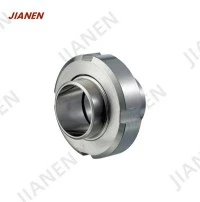
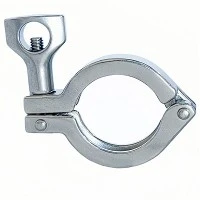
When you're using a stainless steel sight glass in an industrial system, it needs to work well with other components. Our tinted sight glasses are designed to be fully compatible with a wide range of fittings. For example, you can pair them with NPT MALE Clamped Adapter for a secure and leak - free connection. These adapters are made from high - quality stainless steel, just like our sight glasses, ensuring a perfect match in terms of material and performance.
If you need to change the direction of the flow in your system, the 90 degree elbow steel is a great option. It can be easily connected to the sight glass and other pipes, allowing for a smooth and efficient flow of liquids or gases. And for a more comprehensive range of fittings, check out our Stainless Steel Pipe Fitting collection. These fittings are designed to meet the highest industry standards and are a great addition to any system that uses our tinted sight glasses.
Why Choose Our Tinted Stainless Steel Sight Glasses?
We understand that every customer has unique needs. That's why we offer a variety of tint levels and styles to choose from. Whether you need a light tint for just a bit of glare reduction or a dark tint for maximum privacy and UV protection, we've got you covered.
Our team of experts is always on hand to help you select the right tinted sight glass for your specific application. We'll take into account factors like the environment, the type of contents inside the system, and your budget. And we're committed to providing high - quality products at competitive prices.
If you're in the market for a tinted stainless steel sight glass or any of the related fittings, don't hesitate to get in touch. We're ready to have a chat about your requirements and help you find the perfect solution for your industrial needs. Whether you're a small - scale business or a large corporation, we're here to serve you.


References
- "Industrial Sight Glass Handbook", 3rd Edition
- "UV Protection in Industrial Settings", Journal of Industrial Safety and Hygiene
- "The Impact of Glare on Industrial Operations", Industrial Engineering Magazine
- "Heat Transfer in Industrial Sight Glasses", International Journal of Thermal Sciences