


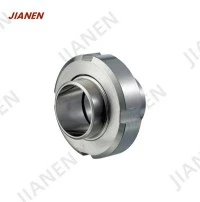


As a supplier of Sanitary Hose Adaptors, I've had numerous inquiries about the proper way to connect a sanitary hose to an adaptor. In this blog post, I'll walk you through the step - by - step process to ensure a secure and hygienic connection.


Understanding the Basics
Before we start the connection process, it's essential to understand the components involved. A sanitary hose is designed for use in applications where cleanliness is of utmost importance, such as food and beverage, pharmaceutical, and dairy industries. The adaptor, on the other hand, is used to connect the hose to other equipment, like pumps, valves, or tanks.
There are different types of sanitary hose adaptors available, including those with different end connections, such as tri - clamp, NPT (National Pipe Thread), and BSP (British Standard Pipe). The choice of adaptor depends on the specific requirements of your system and the type of equipment you are connecting to.
Tools and Materials Required
To connect a sanitary hose to an adaptor, you'll need the following tools and materials:
- Sanitary hose: Make sure it is of the appropriate size and material for your application.
- Sanitary hose adaptor: Select the correct type and size to match your hose and equipment.
- Stainless Steel Crimp Ferrule [/stainless - steel - pipe - fitting/sanitary - pipe - fittings/stainless - steel - crimp - ferrule.html]: This is used to secure the hose to the adaptor.
- Crimping tool: A specialized tool for crimping the ferrule onto the hose and adaptor.
- Wrenches: Depending on the type of adaptor, you may need wrenches to tighten the connections.
- forged stainless caps [/stainless - steel - pipe - fitting/sanitary - pipe - fittings/clamp - solid - end - cap.html]: These can be used to cap off unused ends for hygiene and safety.
- Cleaning supplies: To clean the hose and adaptor before connection.
Step - by - Step Connection Process
Step 1: Prepare the Hose and Adaptor
- Cleaning: Thoroughly clean the inside and outside of the sanitary hose and the adaptor using a suitable cleaning agent. This is crucial to prevent contamination in your system. Rinse them well with clean water and allow them to dry completely.
- Inspection: Inspect the hose and adaptor for any signs of damage, such as cracks, cuts, or deformities. If any damage is found, replace the damaged component immediately.
Step 2: Insert the Adaptor into the Hose
- Lubrication: Apply a small amount of food - grade lubricant to the end of the adaptor. This will make it easier to insert the adaptor into the hose without causing damage to the hose.
- Insertion: Carefully insert the adaptor into the end of the hose until it is fully seated. Make sure the adaptor is centered and straight inside the hose.
Step 3: Install the Stainless Steel Crimp Ferrule
- Positioning: Place the stainless steel crimp ferrule over the area where the hose and adaptor are connected. Ensure that the ferrule is positioned correctly and covers the joint evenly.
- Crimping: Use the crimping tool to crimp the ferrule onto the hose and adaptor. Follow the manufacturer's instructions for the correct crimping force and technique. Make sure the crimp is tight enough to create a secure seal but not so tight that it damages the hose or adaptor.
Step 4: Tighten the Connection (if applicable)
- If your adaptor has threaded connections, use the appropriate wrenches to tighten the connections. Be careful not to overtighten, as this can cause damage to the threads or the adaptor.
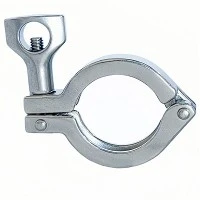
- For tri - clamp connections, place the clamp over the joint and tighten it using a wrench. Make sure the clamp is evenly tightened to ensure a proper seal.
Step 5: Final Inspection
- Check the connection to ensure that it is secure and leak - free. Look for any signs of misalignment or damage.
- If necessary, make any adjustments to the connection to ensure its integrity.
Tips for a Successful Connection
- Size Matters: Always use the correct size of hose and adaptor. An improper fit can lead to leaks and contamination.
- Follow Manufacturer's Instructions: Each product may have specific installation instructions. Make sure to read and follow them carefully.
- Regular Maintenance: Periodically inspect the connections for signs of wear, damage, or leaks. Replace any worn or damaged components as needed.
Why Choose Our Sanitary Hose Adaptors
As a leading supplier of Stainless Steel Pipe Fitting [/stainless - steel - pipe - fitting/sanitary - pipe - fittings/sanitary - bend - ferrule - fittings.html], we offer high - quality sanitary hose adaptors that are designed to meet the strictest industry standards. Our products are made from premium stainless steel, which provides excellent corrosion resistance and durability.
We have a wide range of adaptors available, including different end connections and sizes, to meet the diverse needs of our customers. Our experienced team can also provide technical support and guidance to help you choose the right products for your application.
Contact Us for Purchasing
If you are interested in purchasing our sanitary hose adaptors or have any questions about the connection process, please feel free to contact us. We are here to assist you with your procurement needs and ensure that you get the best products for your system. Whether you are a small - scale producer or a large - scale industrial operation, we can provide the right solutions for you.
References
- Sanitary Pipe Fittings Handbook.
- Manufacturer's guidelines for sanitary hoses and adaptors.