


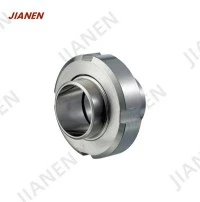


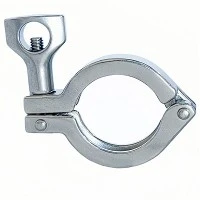
Hey there! As a supplier of stainless steel sight glasses, I often get asked about the minimum temperature these nifty gadgets can handle in cryogenic environments. It's a crucial question, especially for industries that deal with super-cold stuff like liquefied natural gas (LNG), liquid nitrogen, and other cryogenic liquids. So, let's dive right in and explore this topic in detail.
First off, what exactly is a stainless steel sight glass? Well, it's a transparent window made of high-quality stainless steel and usually a special type of glass. It's used in pipelines, storage tanks, and other equipment to allow operators to visually inspect the contents inside without opening the system. This is super handy for monitoring the flow, level, and condition of liquids or gases, and it helps ensure the safe and efficient operation of industrial processes.
Now, when it comes to cryogenic environments, things get a bit tricky. Cryogenic temperatures are typically defined as those below -150°C (-238°F). At these frigid temperatures, materials can become brittle and lose their strength, which can lead to cracks, leaks, and even catastrophic failures. So, it's essential to choose a sight glass that can withstand these extreme conditions.
The good news is that stainless steel is a popular choice for cryogenic applications because it has excellent mechanical properties at low temperatures. In particular, austenitic stainless steels, such as 304 and 316, are commonly used in cryogenic sight glasses. These steels have a face-centered cubic (FCC) crystal structure, which remains ductile and tough even at extremely low temperatures.
Let's take a closer look at the minimum temperature a stainless steel sight glass can withstand. The exact temperature depends on several factors, including the type of stainless steel, the glass material, the design of the sight glass, and the manufacturing process.
Type of Stainless Steel
As mentioned earlier, austenitic stainless steels are the go-to choice for cryogenic applications. 304 stainless steel, for example, is widely used due to its good corrosion resistance, high strength, and excellent ductility at low temperatures. It can typically withstand temperatures down to -196°C (-321°F), which is the boiling point of liquid nitrogen.
304 stainless steel elbow is another product that shares similar properties with 304 stainless steel used in sight glasses. It's also suitable for various industrial applications, including those in cryogenic environments.
316 stainless steel is even more corrosion-resistant than 304 and is often used in more demanding applications. It can handle temperatures down to -269°C (-452°F), which is close to absolute zero. This makes it an ideal choice for applications involving liquid helium, which has a boiling point of -268.93°C (-452.07°F).
Glass Material
The glass used in a sight glass also plays a crucial role in determining its minimum temperature rating. Borosilicate glass is a popular choice for cryogenic sight glasses because it has a low coefficient of thermal expansion, which means it can withstand rapid temperature changes without cracking. It can typically withstand temperatures down to -196°C (-321°F).
Quartz glass is another option for cryogenic applications. It has excellent thermal stability and can handle temperatures down to -270°C (-454°F). However, it's more expensive than borosilicate glass and may not be necessary for all applications.
Design of the Sight Glass
The design of the sight glass can also affect its performance in cryogenic environments. A well-designed sight glass should have a proper seal to prevent leaks and ensure the integrity of the system. It should also be able to withstand the pressure and stress caused by the cryogenic liquid or gas.
Some sight glasses are designed with a double-pane construction, which provides an additional layer of insulation and protection. This can help reduce the risk of frost formation on the glass surface and improve visibility.
Manufacturing Process
The manufacturing process is also critical in ensuring the quality and reliability of a stainless steel sight glass. A high-quality sight glass should be manufactured using precision machining and welding techniques to ensure a tight fit and a strong seal.
Heat treatment is another important step in the manufacturing process. It can help improve the mechanical properties of the stainless steel and the glass, making them more resistant to low temperatures and stress.
In addition to the factors mentioned above, it's also important to consider the operating conditions and the specific requirements of your application. For example, if the sight glass will be exposed to high pressures or corrosive substances, you may need to choose a more robust material or a special coating.
So, what's the bottom line? The minimum temperature a stainless steel sight glass can withstand in cryogenic environments depends on several factors, but in general, a well-designed sight glass made of austenitic stainless steel and borosilicate glass can handle temperatures down to -196°C (-321°F). If you need to handle even lower temperatures, you may want to consider using 316 stainless steel and quartz glass.
If you're in the market for a stainless steel sight glass for your cryogenic application, Stainless Steel Long Ferrule is a related product that you might also find useful. It can be used in conjunction with sight glasses to ensure a secure and reliable connection in your piping system.
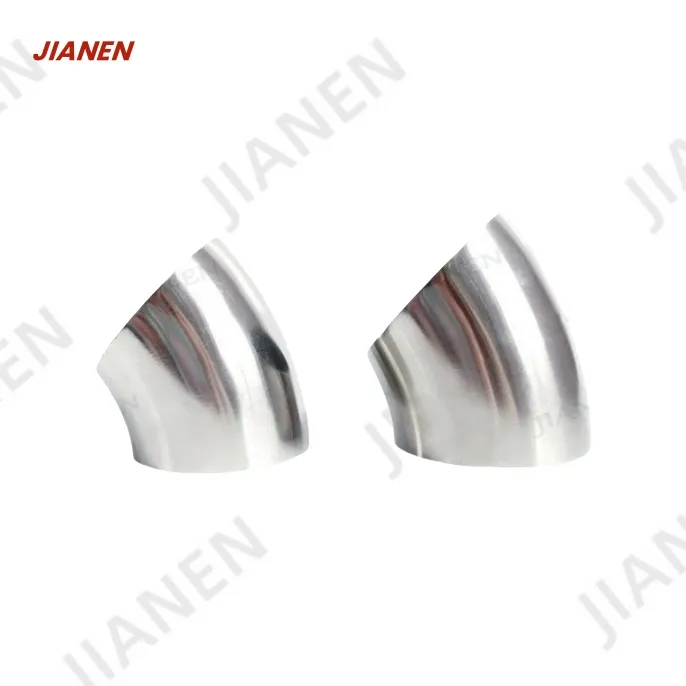

And if you're looking for a 1 2 stainless steel elbow, it's another great option for your cryogenic piping needs.
As a supplier of stainless steel sight glasses, I'm here to help you find the right product for your specific application. Whether you need a standard sight glass or a custom-designed solution, I can provide you with high-quality products at competitive prices. So, if you have any questions or need more information, don't hesitate to get in touch. Let's start a conversation and see how I can assist you with your procurement needs.
References
- ASME Boiler and Pressure Vessel Code, Section VIII, Division 1: Rules for Construction of Pressure Vessels
- ASTM International Standards for Stainless Steel and Glass Materials
- Cryogenic Engineering Handbook, edited by R. Barron