


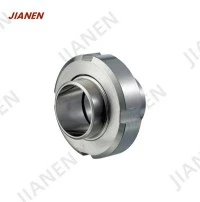


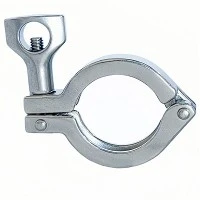
Hey there, fellow dairy farmers! As a supplier of Sanitary Valves, I know firsthand how crucial it is to pick the right valve for your dairy farm. It's not just about keeping things clean; it's about ensuring the quality and safety of your dairy products. In this blog, I'll share some tips on how to select a sanitary valve that suits your farm's needs.
Understanding the Basics of Sanitary Valves
First things first, let's talk about what sanitary valves are. Sanitary valves are designed to meet strict hygiene standards, making them ideal for use in the dairy industry. They're made from materials like stainless steel, which is resistant to corrosion and easy to clean. These valves are used to control the flow of milk, cream, and other dairy products, ensuring that they move through your system smoothly and without contamination.
There are different types of sanitary valves available, each with its own unique features and functions. For example, Sampling Valve is used to take samples of your dairy products at various stages of the production process. This allows you to test the quality and composition of your products, ensuring that they meet the required standards.
On the other hand, Sanitary Welded Check Valves are used to prevent the backflow of milk and other fluids. They ensure that the flow is in one direction only, reducing the risk of contamination and maintaining the integrity of your system.
Factors to Consider When Selecting a Sanitary Valve
Now that you have a basic understanding of sanitary valves, let's dive into the factors you should consider when selecting one for your dairy farm.
1. Material
The material of the valve is one of the most important factors to consider. As I mentioned earlier, stainless steel is the most common material used for sanitary valves because of its durability and resistance to corrosion. However, not all stainless steel is created equal. You need to make sure that the valve is made from high-quality stainless steel, such as 316L, which is resistant to the harsh chemicals used in the cleaning process.
2. Size and Flow Rate
The size of the valve and its flow rate are also important considerations. You need to choose a valve that is the right size for your system. If the valve is too small, it can restrict the flow of milk and other fluids, causing a bottleneck in your production process. On the other hand, if the valve is too large, it can lead to unnecessary waste and inefficiency.
To determine the right size and flow rate for your valve, you need to consider the volume of milk and other fluids that your system processes. You can also consult with a professional to get an accurate estimate.
3. Design and Functionality
The design and functionality of the valve are also important. You need to choose a valve that is easy to operate and maintain. For example, some valves are designed with a simple lever or handle, making them easy to open and close. Others are automated, allowing you to control the flow of fluids remotely.
You also need to consider the functionality of the valve. For example, if you need to take samples of your dairy products, you should choose a valve that is specifically designed for sampling.
4. Hygiene and Cleanability
Hygiene is of utmost importance in the dairy industry. You need to choose a valve that is easy to clean and maintain. Look for valves that have smooth surfaces and no crevices or corners where bacteria can accumulate. Some valves are also designed with self-cleaning features, such as flush ports, which make them easier to clean.


5. Compatibility with Your System
Finally, you need to make sure that the valve is compatible with your existing system. This includes the piping, fittings, and other components of your system. You need to choose a valve that has the right connections and dimensions to fit seamlessly into your system.
Where to Find the Right Sanitary Valve
As a sanitary valve supplier, I can tell you that there are many places where you can find the right valve for your dairy farm. You can start by doing some research online. There are many websites that sell sanitary valves, including Sanitary Valves. These websites offer a wide range of valves, allowing you to compare prices and features before making a decision.
You can also visit a local plumbing or dairy equipment supplier. They can provide you with expert advice and help you choose the right valve for your needs. Additionally, they may have a showroom where you can see the valves in person and test them out.
Conclusion
Selecting the right sanitary valve for your dairy farm is a crucial decision that can have a significant impact on the quality and safety of your dairy products. By considering the factors mentioned above, you can choose a valve that is durable, easy to clean, and compatible with your system.
If you're still unsure about which valve to choose, or if you have any questions, don't hesitate to reach out. I'm here to help you make the right decision for your farm. Whether you're just starting out or looking to upgrade your existing system, I can provide you with the guidance and support you need. Let's work together to ensure the success of your dairy farm!
References
- Dairy Industry Standards and Guidelines
- Stainless Steel Handbook
- Sanitary Valve Manufacturer Catalogs