


Stainless steel tubes are widely used in various industries due to their excellent mechanical properties. As a stainless steel tube supplier, I have in - depth knowledge of these properties, which I'd like to share with you.
1. Strength
One of the most significant mechanical properties of stainless steel tubes is their strength. Tensile strength is a measure of the maximum stress a material can withstand while being stretched or pulled before breaking. Stainless steel tubes typically have high tensile strength. For example, austenitic stainless steel tubes, such as those made from grade 304 or 316, can have a tensile strength ranging from 515 MPa to 620 MPa. This high tensile strength makes them suitable for applications where the tubes need to bear heavy loads, such as in construction and automotive industries.
Yield strength is another important aspect. It represents the stress at which a material begins to deform plastically. Stainless steel tubes usually have a well - defined yield point. The yield strength of common stainless steel tubes can be around 205 MPa to 310 MPa. This property is crucial in applications where the tube needs to maintain its shape under normal working conditions without permanent deformation. For instance, in structural frameworks, the tubes need to resist the applied forces within their elastic range.
2. Ductility
Ductility is the ability of a material to be deformed plastically without fracturing. Stainless steel tubes exhibit good ductility, especially austenitic stainless steels. This property allows them to be easily formed into various shapes, such as bends, coils, and flanges. During the manufacturing process, the tubes can be cold - worked or hot - worked to achieve the desired shapes. Cold - working, such as cold drawing, can further improve the strength of the tubes while maintaining a certain level of ductility. The high ductility of stainless steel tubes makes them suitable for applications where complex shapes are required, like in the production of furniture and decorative items.
3. Hardness
Hardness is a measure of a material's resistance to local deformation, such as indentation or scratching. Stainless steel tubes have different levels of hardness depending on the type of stainless steel and the heat - treatment process. Martensitic stainless steel tubes, for example, can be heat - treated to achieve relatively high hardness levels. This makes them suitable for applications where wear resistance is important, such as in cutlery and some industrial tools. On the other hand, austenitic stainless steel tubes generally have lower hardness but better corrosion resistance. The hardness of stainless steel tubes can be tested using methods like the Rockwell hardness test or the Brinell hardness test.
4. Toughness
Toughness is the ability of a material to absorb energy and deform plastically before fracturing. Stainless steel tubes have good toughness, which means they can withstand impact loads without breaking easily. This property is essential in applications where the tubes may be subjected to sudden impacts or vibrations. For example, in the transportation industry, stainless steel tubes used in vehicle exhaust systems need to be tough enough to withstand the vibrations during the vehicle's operation. The toughness of stainless steel tubes is related to their microstructure and the presence of alloying elements. Elements like nickel and manganese can improve the toughness of stainless steel.
5. Fatigue Resistance
Fatigue resistance is the ability of a material to withstand repeated loading and unloading cycles without failure. Stainless steel tubes have good fatigue resistance, which makes them suitable for applications where cyclic loading occurs. In the aerospace industry, for example, stainless steel tubes are used in aircraft hydraulic systems. These tubes need to endure thousands or even millions of pressure cycles during the aircraft's service life. The fatigue resistance of stainless steel tubes can be affected by factors such as the surface finish, the presence of defects, and the stress levels. A smooth surface finish and proper heat - treatment can improve the fatigue resistance of the tubes.
6. Corrosion Resistance
Although not strictly a mechanical property, corrosion resistance is closely related to the long - term performance of stainless steel tubes in mechanical applications. Stainless steel contains chromium, which forms a passive oxide layer on the surface of the tube. This layer protects the tube from corrosion in various environments, including atmospheric, marine, and chemical environments. For example, stainless steel tubing used in coastal areas needs to resist the corrosive effects of saltwater. The corrosion resistance of stainless steel tubes can be enhanced by adding other alloying elements, such as molybdenum in grade 316 stainless steel.
7. Weldability
Weldability is an important property for stainless steel tubes, especially in applications where joining of tubes is required. Most stainless steel tubes, such as Stainless Steel Welded Tube, can be welded using common welding methods, such as TIG (Tungsten Inert Gas) welding and MIG (Metal Inert Gas) welding. However, the weldability can be affected by factors such as the type of stainless steel, the presence of impurities, and the welding parameters. Proper welding techniques and pre - and post - welding treatments are necessary to ensure high - quality welds and maintain the mechanical properties of the tubes.
8. Formability
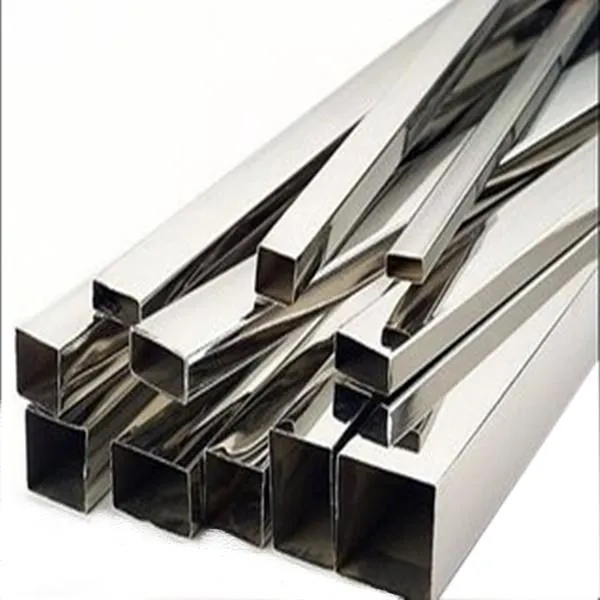
Formability is related to the ease with which a material can be formed into a specific shape. Stainless steel tubes have good formability, which allows them to be used in a wide range of manufacturing processes. They can be bent, rolled, and stamped into different shapes. For example, square pipe can be formed by bending and welding stainless steel sheets or tubes. The formability of stainless steel tubes is influenced by factors such as the chemical composition, the grain size, and the work - hardening rate.
In conclusion, the mechanical properties of stainless steel tubes make them a versatile and reliable choice for a wide range of applications. Their strength, ductility, hardness, toughness, fatigue resistance, corrosion resistance, weldability, and formability all contribute to their widespread use in industries such as construction, automotive, aerospace, and manufacturing.
If you are in need of high - quality stainless steel tubes, whether for small - scale projects or large - scale industrial applications, we are here to provide you with the best solutions. We have a wide range of stainless steel tubes in different sizes, grades, and shapes to meet your specific requirements. Our products are manufactured with strict quality control to ensure they meet the highest industry standards. Contact us for procurement discussions, and we will be happy to assist you in finding the most suitable stainless steel tubes for your needs.

References
- ASM Handbook Volume 1: Properties and Selection: Irons, Steels, and High - Performance Alloys.
- "Stainless Steel: A Technical Guide" by the Nickel Institute.
- Various industry standards and specifications related to stainless steel tubes, such as ASTM, EN, and JIS.